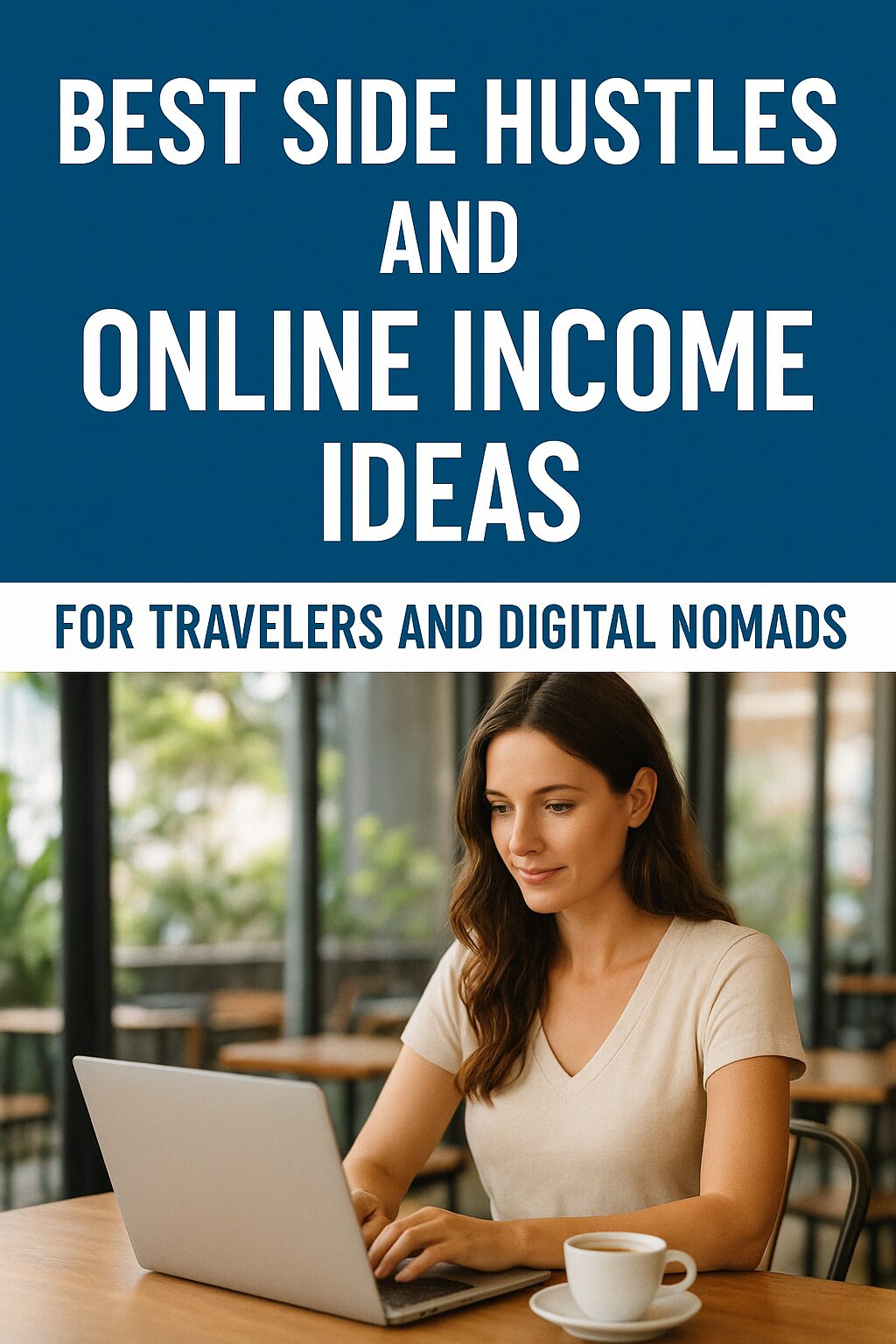
Best Side Hustles and Online Income Ideas for Travelers and Digital Nomads

A digital nomad working on a laptop in a café with natural light, representing online work freedom

Do you dream of traveling the world while still earning steady income? You’re not alone. More people than ever are looking for ways to make money online so they can live, work, and explore from anywhere.

But not all online jobs are created equal. Some are location-dependent, some are short-lived, and others pay too little to support real freedom. So, how can you find sustainable income streams that allow you to fund your travels without sacrificing your lifestyle?

In this complete guide, we’ll explore the best online income ideas and side hustles that work especially well for digital nomads, travelers, and location-independent workers.


1. Freelance Writing (Yes, It’s Still Powerful)

Writing may seem saturated, but good content is always in demand.
Blog posts, newsletters, product descriptions, and even social media copy—someone has to write them all.

Why it works for nomads:

  • You only need a laptop and Wi-Fi.
  • Flexible schedule
  • You can build long-term client relationships.

How to get started:

  • Join platforms like Upwork, ProBlogger, or Freelancer.
  • Start your own blog to showcase writing samples.
  • Consider a niche (e.g. finance, travel, health) to stand out.

2. Print-on-Demand (No Inventory Required)

Love design or slogans? You can sell T-shirts, mugs, phone cases, and more—without touching inventory.

Why it works:

  • Hands-off business model once set up
  • Can scale easily
  • Great for creative nomads

Best platforms:

  • Printful, Teespring, Redbubble, Zazzle

3. Online Teaching and Tutoring

If you have knowledge in a subject—language, math, music, coding—you can teach from anywhere.

Where to start:

  • VIPKid, Preply, Cambly for English tutors
  • Udemy or Skillshare for creating full courses
  • Zoom or Google Meet for private clients

4. Affiliate Marketing (Passive Income Builder)

This is one of the most recommended strategies for travelers. Once set up, your blog, YouTube channel, or even Pinterest can keep making you money.

What you need:

  • Content that attracts a niche audience (travel gear, digital tools, etc.)
  • Trustworthy affiliate links (Amazon, ShareASale, Impact)

Tip:

Build helpful content like “Top 5 Travel Backpacks” or “Best Credit Cards for Nomads” and link to products.


5. Social Media Management

Many businesses want to grow on Instagram, Facebook, or TikTok—but don’t know how.

Your role:

  • Create and schedule content
  • Engage with followers
  • Track performance analytics

You can charge monthly retainers—perfect for funding consistent travel.


6. Virtual Assistant (VA)

As a VA, you help entrepreneurs or businesses with email, scheduling, research, etc.

Perks:

  • Consistent income
  • No specific degree required
  • Long-term remote clients possible

Start with platforms like Belay, Fancy Hands, or OnlineJobs.ph.


7. Dropshipping

While not as passive as advertised, dropshipping can work if done right.

Caution:

  • Needs upfront research
  • Often competitive
  • Marketing is key

Use Shopify + Oberlo or WooCommerce + AliExpress


8. YouTube or Podcasting

If you’re comfortable on camera or with your voice, this is a scalable path.

Monetization:

  • Ad revenue
  • Affiliate links
  • Sponsorships

Start with low-cost equipment and focus on authentic, useful content for your niche.


9. Travel Blogging (Still Works in 2025)

You may think it’s outdated, but there’s still gold in blogging—especially if it’s problem-solving.

Blog content ideas:

  • Budget travel tips for families
  • Nomad life with kids
  • How to travel with chronic illness
  • Best places to work remotely in 2025

Use your blog to:

  • Monetize with ads (AdSense, Mediavine)
  • Promote affiliate links
  • Sell your own products or courses

10. Remote Tech Jobs (Flexible Employment)

If you’re skilled in software development, UX design, or data science, you can work full-time remotely.

Top remote job boards:

  • We Work Remotely
  • Remote OK
  • Toptal

These roles tend to pay much more than side hustles—but may require more hours.


Bonus: Selling Digital Products

You can create once and sell forever. Ideal for travelers who want to scale income.

What to sell:

  • Budget spreadsheets
  • E-books
  • Travel checklists
  • Templates for Notion, Canva, or Google Docs

Sell on Gumroad, Etsy, or Podia.


Tips for Earning While Traveling

  • Automate as much as possible (scheduling tools, payment systems)
  • Use VPNs to access platforms from anywhere
  • Work in sprints: batch content creation to free up travel time
  • Find Wi-Fi-friendly cafes and co-working spaces in advance

Final Thoughts

You don’t have to choose between income and adventure. With the right online hustle, you can live your dream and pay the bills. Just remember: consistency beats perfection. Start small, grow step-by-step, and before long, you’ll have a freedom-based lifestyle that others only dream about.


📌 Next Up:
Wondering which freelance niche offers the best income and visa support?
In our next post, we’ll explore “Visa-Friendly Freelance Niches That Maximize Both Income and Approval Chances”—especially useful for O-1, E-2, or EB-2 NIW applicants building long-term careers abroad.

The Ultimate Guide to Saving Money on Summer Travel – Flights, Stays, Food, and More

A traveler reviewing budget tips on their phone at an airport, surrounded by luggage and sunlight

Why Summer Travel Is So Expensive—and What You Can Do About It

Summer is peak travel season, and everything—from flights to snacks—costs more. But you don’t need to sacrifice comfort or experience to stay within budget.
In this guide, you’ll learn how to cut summer travel expenses across the board: flights, lodging, food, transportation, and activities. These strategies work anywhere in the world, and the savings add up fast.


1. Save Big on Flights Without Losing Time

Airfare is usually the largest upfront expense. Here’s how to reduce it:

Tools & Tricks:

  • Use Google Flights with flexible dates
  • Search incognito to avoid price hikes
  • Set alerts with Hopper, Skyscanner, or Kayak
  • Try flying mid-week and early morning
  • Check round-trip vs one-way on different airlines

Bonus:

  • Use points from travel credit cards or loyalty programs
  • Book flights in different currencies using a VPN (compare rates!)

2. Book Smarter to Slash Hotel Costs

Hotels can drain your budget quickly if you’re not careful.

Booking Strategies:

  • Use meta-search tools (HotelsCombined, Trivago)
  • Check the hotel’s direct site for better rates
  • Use hidden deals (Hotwire, Priceline Express)
  • Join loyalty programs for free perks (Wi-Fi, late checkout)
  • Look for app-only or member-only discounts

Alternative Options:

  • Guesthouses, hostels (with private rooms), or serviced apartments
  • Long-stay Airbnb discounts (weekly or monthly rates)

3. Eat Local Without Breaking the Bank

Dining out 3 times a day adds up quickly. Here’s how to eat better for less:

Tactics:

  • Find local lunch specials or “menu of the day” deals
  • Eat where locals eat (not near tourist spots)
  • Use apps like Yelp, Google Maps, or HappyCow to compare prices
  • Visit supermarkets or local markets for snacks, fruit, drinks
  • Book lodging with a kitchen and cook once per day

💡 Tip: Breakfast included = one less meal to pay for


4. Cut Transportation Costs in Every City

You don’t need to rent a car or take taxis to get around efficiently.

Smart Moves:

  • Use public transport cards (like Oyster in London, Metrocard in NYC)
  • Download city-specific apps (Moovit, Rome2Rio, Citymapper)
  • Rent bikes or use scooters (especially in bike-friendly cities)
  • Walk strategically—group activities by neighborhood
  • Use overnight buses or trains to save on both travel + lodging

5. Choose Free or Low-Cost Activities That Are Still Amazing

You don’t need to spend big on guided tours or amusement parks to enjoy a city.

Ideas That Cost Little (or Nothing):

  • Free walking tours (many cities have them daily)
  • Local parks, beaches, museums (some free days or discounts)
  • Sunrise hikes, sunset viewpoints, or street performances
  • Cultural festivals, flea markets, or open-air events
  • Free apps with self-guided audio tours

💡 Tip: Check the city’s tourism site or Reddit threads for hidden gems.


6. Be Flexible—but Strategic—With Your Itinerary

Don’t lock yourself into a rigid plan. Some spontaneity can save you money.

How to Stay Open While Staying Smart:

  • Travel off-peak hours and days
  • Be open to alternate airports and cities
  • Stay longer in cheaper places, shorter in expensive ones
  • Book lodging with free cancellation in case a deal pops up
  • Use apps like Rome2Rio to compare multiple travel modes

7. Combine Travel Hacks for Compounding Savings

Each trick on its own saves a little. Combined, they save a lot.

Example Daily Budget Strategy:

  • Free breakfast
  • $5 local lunch
  • Public transport pass
  • One paid experience per day
  • Grocery store dinner or street food

You can explore Paris, Seoul, or Mexico City for under $50/day with the right strategy

If you want a real example of how to fix this:

https://healthinkorea365.com/stop-wasting-money-on-lunch-this-one-habit-fixes-it/


Final Thoughts: Budget Travel Isn’t About Sacrifice—It’s About Smart Choices

Traveling on a budget isn’t just for students or backpackers.
With the right systems, you can travel more, spend less, and still enjoy amazing food, views, and experiences.
Use this guide to create a flexible, affordable plan that fits your life—not just your wallet.


📌 Next Up:
Ready to start earning while traveling? In our next post, we’ll explore the best side hustles and online income ideas for travelers and digital nomads—so you can keep funding your adventures.

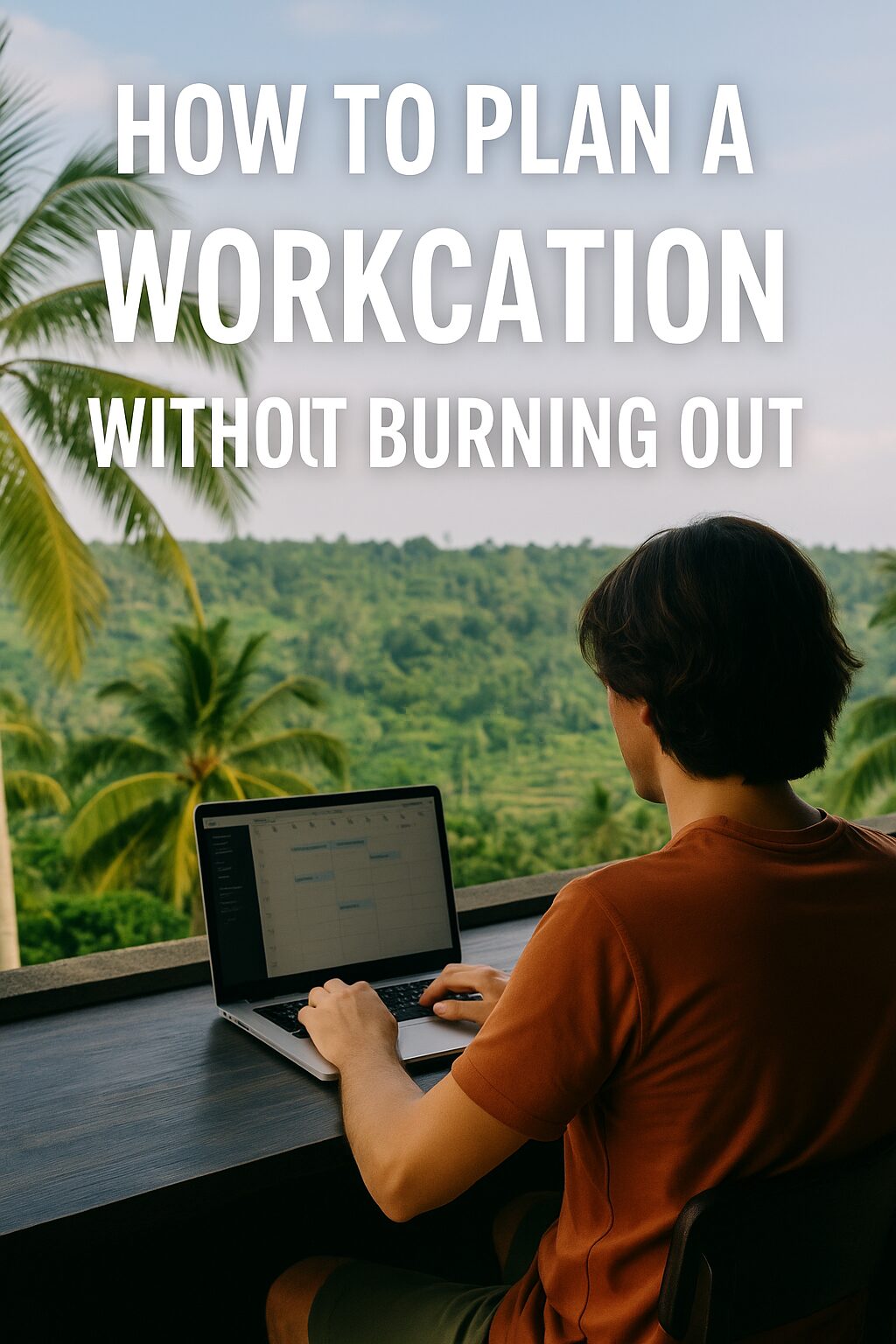
How to Plan a Workcation Without Burning Out – Tools, Locations, and Schedules That Work

A remote worker planning their day at a laptop with a tropical view in the background

The Rise of the Workcation Lifestyle

Working remotely while traveling the world sounds like a dream. And for many, it’s becoming reality. But blending work with vacation can backfire—unless you plan it right.
In this guide, we’ll show you how to design a sustainable, productive, and enjoyable workcation with the right tools, schedules, and global destinations. Whether you’re freelancing or employed full-time, these tips help you travel smarter—without sacrificing performance or peace.


1. Understand What a Workcation Is—and What It Isn’t

A workcation isn’t just working from the beach. It’s a temporary setup where you balance focused work with quality exploration.

Key elements of a successful workcation:

  • Stable internet connection
  • Work-friendly accommodations
  • Clear expectations (from clients, teams, or yourself)
  • Prioritized schedule that protects both work and leisure

2. Choose the Right Type of Workcation for You

There’s no one-size-fits-all. Consider these workcation styles:

TypeBest For
City-basedRemote workers who need fast internet and coworking hubs (e.g. Lisbon, Seoul)
Nature-focusedBurnout recovery, writing, solo deep work (e.g. Bali, Costa Rica)
Mobile/NomadicFrequent movers, short-term rentals (e.g. Mexico, Thailand)
Group WorkcationTeams, friends, or communities (e.g. remote startup retreats)

3. Pick the Right Location (Criteria That Matter)

Use these criteria when choosing a destination:
Reliable Wi-Fi
Affordable short-term rentals
Time zone overlap (for meetings)
Local SIM card or eSIM availability
Easy visa rules or long-stay permits
Access to coworking spaces or cafes
Nearby nature or culture to recharge

Bonus Tip: Use websites like NomadList, Workfrom, or Teleport to compare digital nomad readiness.


4. Build a Flexible But Focused Schedule

Don’t try to work 9-to-5 in a new time zone. Instead, build a rhythm that fits your energy and location.

Workcation Schedule Framework:

  • Morning (High Focus): Deep work, writing, creative tasks
  • Midday (Light Work + Local Food): Emails, admin tasks
  • Afternoon (Adventure Block): Hikes, museums, beach
  • Evening (Soft Closure): Light planning or social time

Tip: Use the “two-core-block” system: one 3-hour work block + one flexible block.


5. Use the Right Tools to Stay Productive and Connected

Success on a workcation depends on good tech. Use lightweight, mobile-friendly tools that work from anywhere.

Top Tools:

  • Project Management: Trello, Asana, Notion
  • Time Tracking: Toggl, Clockify
  • Focus Tools: Forest App, Cold Turkey
  • Communication: Zoom, Slack, Loom
  • Cloud Storage: Google Drive, Dropbox

For internet backup: Carry a portable Wi-Fi router or SIM-ready travel hotspot.


6. Book Accommodations Built for Remote Work

Not all Airbnbs or hotels are remote-worker friendly.

Look for:

  • Large desk or dining table
  • Strong Wi-Fi with speed test screenshots
  • Quiet surroundings
  • Kitchen access (to reduce cost + time)
  • Nearby coworking spaces

📌 Use platforms like Flatio, Outsite, or Selina for digital nomad rentals.


7. Budget Your Time and Energy (Not Just Money)

Burnout during a workcation usually comes from overcommitment, not overspending.

Balance checklist:

  • Limit meetings per day
  • Alternate high-focus days with light ones
  • Use time-tracking to protect your personal time
  • Say “no” to unnecessary video calls

Remember, your energy is your real currency.


8. Know the Legal & Financial Basics

Depending on your passport and work type, you may need to understand:

  • Visa types (tourist vs digital nomad visas)
  • Tax residency rules if staying over 183 days
  • Health insurance coverage abroad
  • Data security laws when handling client info

Always check your legal situation before settling somewhere.


Final Thoughts: Work Smarter, Live Fuller

A workcation is one of the most rewarding ways to work and live—if done right.
With proper planning, the right mindset, and a balance between productivity and presence, you can create memories while maintaining momentum in your career.
It’s not a vacation. It’s a smarter life strategy.


📌 Next Up:
Summer travel can get expensive fast. In our next post, discover a full guide to saving money across flights, food, lodging, and transportation—so you can make every trip more affordable.

The Smartest Way to Book Hotels This Summer – Save Up to 60% Using These Platforms

A digital nomad checking hotel prices on a laptop beside a suitcase in a bright, modern room

Why Hotels Are the Most Overpriced Part of Travel

Flights get all the attention, but hotels often eat up the biggest chunk of your travel budget—especially during summer. The same room can cost $100 more depending on when, where, and how you book.
This guide will show you exactly how to save up to 60% on accommodations using smart platforms, hidden-rate tactics, and booking psychology. Whether you’re traveling for work, leisure, or with family, this evergreen strategy works globally, year-round.


1. Use Price Comparison Platforms – But Not Just One

Most travelers check one or two sites (like Booking.com or Expedia) and stop there.
Big mistake. Every site shows different rates and hidden deals.

Best platforms to compare:

  • HotelsCombined – searches over 30+ platforms at once
  • Trivago – great for fast comparisons
  • Kayak – includes taxes and fees up front
  • Agoda – often has Asia-specific discounts

Tip: Always double-check final price with taxes before booking.


2. Always Check the Hotel’s Official Website

Many hotels offer lower prices or extras (like free breakfast or upgrades) only on their official site.
Also, you can sometimes negotiate directly for better deals if you call or email.

Smart strategy:

  • Use comparison sites to find the best rate
  • Then visit the hotel’s own site to check for promos
  • Finally, call and ask: “Can you match or beat this rate?”

3. Use ‘Hidden Rates’ and Private Deal Portals

Some platforms hide the best prices behind logins or apps.

Where to find them:

  • Hotwire Hot Rates
  • Priceline Express Deals
  • Orbitz Members-Only Deals
  • App-only offers on Booking, Agoda, etc.

These are often 20–50% cheaper, but you won’t see the hotel name until after booking.
Perfect for budget travelers willing to trade transparency for price.


4. Try Meta-Search Tools and Travel Agents (Yes, Still Useful)

Google Hotels and Trip.com sometimes surface rates even the hotel won’t advertise.
Also, travel agents in your home country might have access to local deals for popular summer destinations.

✅ This is especially useful if:

  • You’re booking for groups or long stays
  • You want bundled rates with flights + hotels
  • You’re traveling to high-demand areas

5. Use a VPN or Country-Switching Trick

Just like with flights, hotel prices change depending on where you’re browsing from.

How to hack it:

  • Use a VPN to pretend you’re in a low-cost country (e.g., India, Malaysia)
  • Switch the currency on hotel sites manually
  • Compare USD price vs local currency

Sometimes, you’ll save 10–30% just by “traveling digitally.”


6. Book at the Right Time – Not Too Early, Not Too Late

Booking too far in advance can mean inflated rates.
But last-minute booking during peak season can be risky.

Best booking windows:

  • 2–3 weeks before check-in = best for price
  • Monday to Wednesday = cheaper rates
  • Avoid booking Friday or Saturday (when demand surges)

Bonus: Use Hopper or Google Hotels to monitor price changes.


7. Use Cashback and Reward Sites (It Adds Up!)

Before finalizing your booking, go through cashback sites like:

  • Rakuten (US/CA)
  • TopCashback (UK/US)
  • RebatesMe (global)

You’ll get 5–15% back on hotel bookings—money you can use on the trip!

Pro Tip: Combine this with a travel credit card to double dip rewards.


8. Avoid the ‘Default Sort’ Trap

Most hotel platforms sort by “Recommended” or “Popular” first.
This often hides the best-value properties.

What to do instead:

  • Sort by Price + Guest Rating
  • Use filters: 3-star & up, rating 8.0+
  • Expand your search area radius (5–10 km)

This single step can reveal better rooms for half the price.


9. Consider Alternative Accommodations (Not Just Hotels)

Hotels aren’t your only option.

Budget-friendly alternatives:

  • Guesthouses: often locally run, more charm
  • Serviced apartments: ideal for longer stays
  • Hostels: private rooms with shared facilities
  • Airbnb or Vrbo: especially good for groups

Choose what fits your purpose, not just the platform you’re used to.


Final Thoughts: Booking Smart = Traveling More

Hotels can easily double your travel budget—but they don’t have to.
With the right combination of tools, timing, and strategy, you can stay in comfort without financial regret.
And when your lodging costs go down, your travel frequency can go up.


📌 Next Up:
Want to work while you travel—without burning out?
In our next post, we reveal how to plan the perfect workcation using proven tools, flexible destinations, and balanced schedules.

Top 7 Affordable Summer Destinations Around the World – Timeless Picks for Smart Travelers

A traveler enjoying a scenic beach with a backpack and camera, symbolizing budget summer travel

Dream Summer Trips Don’t Have to Be Expensive

When you think of summer travel, you might picture luxury resorts and $1,000 plane tickets. But in reality, some of the world’s most stunning destinations are surprisingly affordable—if you know where to look.
This guide reveals 7 timeless summer travel spots across the globe where you can relax, explore, and make unforgettable memories without draining your savings. These places are not seasonal fads—they’re smart long-term picks, year after year.


1. Bali, Indonesia

Why It’s Affordable

  • Budget guesthouses from $10/night
  • Local meals for under $3
  • Scooter rental: ~$5/day

What to Do

  • Surf at Kuta Beach
  • Yoga in Ubud
  • Sunset at Tanah Lot Temple

Travel Tips

  • Avoid peak Australian holidays for better prices
  • Use Grab or GoJek for transport

2. Lisbon, Portugal

Why It’s Affordable

  • Cheaper than Paris or Rome
  • Many free museums on Sundays
  • Local wine + seafood meals for under $10

What to Do

  • Ride Tram 28
  • Visit the Alfama district
  • Enjoy sunset from Miradouro da Senhora do Monte

Travel Tips

  • Book flights into Madrid + take a bus to save
  • Walkable city = save on transport

3. Split, Croatia

Why It’s Affordable

  • Budget rooms from $20/night
  • Cheap ferry access to islands
  • Free beaches, hikes, and Roman ruins

What to Do

  • Diocletian’s Palace
  • Island-hop to Hvar or Brac
  • Kayak along the coast

Travel Tips

  • Book ferries in advance during summer
  • Avoid mid-July to early August for crowds

4. Medellín, Colombia

Why It’s Affordable

  • Private rooms from $15/night
  • Metro ride: $0.75
  • Lunch “menu del día” for ~$3

What to Do

  • Ride the cable cars over the city
  • Visit Comuna 13 street art
  • Explore coffee farms nearby

Travel Tips

  • Summer = dry season
  • Stay in El Poblado or Laureles

5. Istanbul, Türkiye

Why It’s Affordable

  • 3-star hotels under $40/night
  • Delicious street food: $1–3
  • Free entry to many historical sites

What to Do

  • Hagia Sophia & Blue Mosque
  • Cruise the Bosphorus
  • Shop at Grand Bazaar

Travel Tips

  • Buy Istanbulkart for cheap transport
  • Visit mosques early to avoid queues

6. Da Nang, Vietnam

Why It’s Affordable

  • Beachfront hotels from $25/night
  • Pho + Banh Mi for under $3
  • Motorbike rental: $6/day

What to Do

  • Relax on My Khe Beach
  • Day trip to Hoi An
  • Marble Mountains hike

Travel Tips

  • Fly into Hanoi or HCMC for cheaper flights
  • Travel by train for scenic views

7. Tbilisi, Georgia

Why It’s Affordable

  • Guesthouses for $15–20/night
  • Wine tastings + dinner: under $10
  • Free walking tours daily

What to Do

  • Ride the cable car to Narikala Fortress
  • Explore sulfur baths
  • Take a wine tour in Kakheti region

Travel Tips

  • Visa-free entry for many nationalities
  • Summer festivals = bonus cultural events

Final Thoughts: Affordability Without Sacrifice

These destinations prove that you don’t need luxury resorts or big travel budgets to have a memorable summer.
Each place offers unique experiences, low costs, and long-term value—perfect for travelers who want smart, repeatable vacations year after year. Whether you’re a backpacker or a remote worker, these locations will stretch your dollar and leave you with rich memories.


📌 Next Up:
Hotels can eat up your travel budget. In our next post, discover the best platforms and tricks to save up to 60% on accommodation—without sacrificing comfort.

How to Find Hidden Flight Deals for Your Summer Vacation – Global Strategy Guide

A traveler comparing flight prices on a laptop while planning a tropical vacation

Why Most People Overpay for Flights

Summer is the most expensive time to fly—and airlines take full advantage of that. But cheap flights do still exist, even during peak season. You just need to know how to find them.
In this guide, we’ll show you exactly how to book flights for less, using real tools and global strategies used by budget travelers, remote workers, and digital nomads.


1. Understand How Flight Prices Really Work

Airfare doesn’t follow logic. It’s dynamic, algorithmic, and changes dozens of times per day. Airlines track demand, time, location, and even your browsing habits.

Tips:

  • Always search in Incognito mode.
  • Clear cookies or use a different browser.
  • Tuesdays and Wednesdays usually show the lowest prices.
  • Use multiple devices or compare on mobile vs desktop.

2. Use Advanced Search Engines, Not Just Google Flights

Google Flights is good—but not enough. Try these:

  • Skyscanner: Best for flexible dates and countries.
  • Momondo: Finds hidden fares that Google doesn’t.
  • Hopper: Predicts future prices and gives you a “Buy or Wait” recommendation.
  • ITA Matrix: Used by travel agents to find complex routes and mistake fares.

Set up alerts on all of them.


3. Set Price Alerts + Use the 24-Hour Rule

Flight prices can drop suddenly. If you’re ready, you can grab them fast.

  • Set alerts via Google Flights or Hopper.
  • Monitor multiple destinations or nearby cities.
  • Book the deal when it appears—most airlines allow free cancellation within 24 hours.

4. Use Country-Based Pricing Tricks

Some airlines charge different prices based on your location.

What to do:

  • Use a VPN to simulate browsing from other countries.
  • Try switching currencies.
  • Example: Emirates.com (US) vs Emirates.co.in (India) for the same flight.

Sometimes you’ll find $100+ price differences.


5. Look for Alternative Airports and Error Fares

Don’t just fly into the most popular airport.

Example:

  • Flying into Oakland instead of San Francisco
  • Flying out of Baltimore instead of D.C.
  • Use SecretFlying or Fly4Free to catch error fares

Flexibility = big savings.


6. Try Open-Jaw or Multi-City Tickets

Instead of round-trips, try flying into one city and out of another.

Example:

  • NYC → Paris + Rome → NYC

This can often be cheaper than a basic round-trip—and gives you more freedom.

Use the Multi-City option on Google Flights or Expedia.


7. Don’t Ignore Budget Airlines (But Be Smart)

Low-cost carriers can save you a lot—if you know the rules.

Watch for:

  • Baggage fees
  • Seat selection charges
  • Check-in rules (some charge for printing your pass)

Popular Budget Airlines by Region:

  • Europe: Ryanair, EasyJet, Wizz Air
  • Asia: AirAsia, Scoot, Jetstar
  • USA: Frontier, Spirit, Allegiant

Compare the final price (with fees) before booking.


8. Use Points and Travel Credit Cards (Even Without Flying)

You don’t need to fly often to earn miles.

How:

  • Sign up for cards offering large welcome bonuses (50,000–80,000 miles).
  • Use them for everyday purchases.
  • Redeem for flights during peak seasons.
  • Use tools like AwardHacker to find best-value redemptions.

9. Mix and Match One-Way Tickets

Round-trips aren’t always cheaper.
You might find savings by booking one-way flights separately.

Example:

  • Outbound: Korean Air
  • Return: AirAsia

It also gives more flexibility on your return date or city.


10. Know When to Book (Not Too Early, Not Too Late)

Booking too early is a common mistake.

Best time to book:

  • Domestic flights: 1–2 months ahead
  • International: 2–3 months ahead
  • Avoid booking more than 6 months early unless it’s a major holiday

Hopper and Google Flights both help track ideal booking windows.


Final Thoughts: Flight Deals Are About Strategy, Not Luck

The cheapest travelers aren’t lucky—they’re strategic.
They know how to use tools, act fast, and avoid traps. With the right system, you can fly more often, save thousands over time, and maybe even fly business class someday.

Don’t pay more just because it’s summer. Be smarter, not poorer.


📌 Next Up:
Want to travel more without breaking the bank?
In our next post, we reveal the Top 7 Budget-Friendly Summer Destinations Around the World—perfect for families, solo travelers, and remote workers alike.

If you’re serious about saving money while traveling, understanding which credit cards truly offer zero foreign transaction fees is just the beginning. Our detailed comparison of the top cards in 2025 will help you avoid hidden charges and make every international purchase count.
Read: Top 5 Credit Cards Without Foreign Transaction Fees in 2025

Digital Survival in Korea→

Mobile phone with Korean apps for travel, transport, and living

Live better, spend smarter, and thrive in Korea with just your smartphone.

Why Smart Living Matters for Expats

Living abroad isn’t just about adventure – it’s about adapting smartly. For digital nomads, students, or expats in Korea, making the most of mobile tools isn’t optional — it’s essential. With the right apps, you can unlock cheaper transport, better food, free Wi-Fi, real-time translation, and even emergency help. Let’s break down the best tech to live smarter — and cheaper — in Korea.


All-in-One Navigation: KakaoMap & Naver Map

Google Maps doesn’t work well in Korea. Instead, use:

  • KakaoMap: Real-time bus/subway routes, walking directions, reviews.
  • Naver Map: Best for hiking trails, biking routes, and tourist landmarks.

Bonus: Both offer English UI and real-time traffic alerts.


Public Transport & Bike Rentals: Kakao T + Seoul Bike “Ddareungi”

  • Kakao T: All-in-one for taxis, buses, metro. You can even book airport limos.
  • Seoul Bike (따릉이): 24/7 bike rental via QR scan. App in English.

Tip: Use at off-peak hours to avoid surcharges and enjoy low daily passes.


Mobile Payments: KakaoPay & NaverPay

No cash? No card? No problem.

  • KakaoPay: Pay at convenience stores, cafes, restaurants with just a QR.
  • NaverPay: Best for online shopping. Secure and widely accepted.

Most Korean merchants now accept one of the two.


Language Hacks: Papago & Google Lens

Communication made easy:

  • Papago: Korea’s best real-time translator for full sentences, signs, slang.
  • Google Lens: Scan menus, translate posters or handwritten signs instantly.

These two combined eliminate most language barriers instantly.


Super App for Everything: Coupang Eats & Baedal Minjok

Korea’s food delivery culture is ultra-fast:

  • Coupang Eats: Clean UI, good for beginners.
  • Baemin (배달의 민족): Korea’s most popular app with cashless orders.

Both support card + mobile pay and offer English versions via settings.


Health & Emergency: GoodDoc & 119 Emergency App

  • GoodDoc: Book clinics/hospitals online, compare prices, see ratings.
  • Emergency Ready App: Government app for disasters, fire, ambulance.

For any expat, having these can literally save lives.


Housing & Community: Zigbang & Meetup

  • Zigbang: Find short/long-term housing with map filtering.
  • Meetup: Connect with expats, join language exchange, hobby clubs.

Don’t isolate. Building community is key to staying healthy and happy abroad.


Summary: Build Your Own Smart Korea Toolkit

CategoryMust-Have App
NavigationKakaoMap, Naver Map
TransportKakao T, Ddareungi
PaymentsKakaoPay, NaverPay
LanguagePapago, Google Lens
DeliveryCoupang Eats, Baemin
SafetyGoodDoc, Emergency Ready
LifeZigbang, Meetup

Each app helps reduce stress, save money, and maximize comfort — especially if you’re new to Korea.


Real Expat Review

“I moved to Seoul with just a backpack and my phone. With Papago, KakaoMap, and Coupang Eats, I felt like I’d lived here for years in just 2 weeks. Total life-saver.”
— Carla (Digital Nomad from Canada)


Final Tip: Automate and Thrive

Set up automatic mobile payments, save your most used locations, and link your expat bank card (like Wise or Revolut) to KakaoPay. With just 2 hours of setup, your entire life in Korea becomes 80% automated.


Want to Live Smarter in Any Country?

These app strategies don’t only work in Korea. Apply the same survival tech stack in Japan, Vietnam, or even Germany. Mastering smart living = saving money + gaining time.


Coming Up Next

The 1-Month Rule That Changed Korea’s Saving Culture – And How You Can Apply It
→ Discover how one simple rule turned Koreans into the world’s top savers.

Top 5 Korean Supplements That Foreigners Actually Buy (And Reorder)

Korean health supplements including red ginseng, probiotics, and collagen on store shelves

A practical guide for expats, travelers, and international health-conscious shoppers

Korea is not just known for its skincare and technology—it’s also a rising star in the world of functional health supplements. From digestive health to beauty boosters, Korean supplements are gaining popularity among foreigners not just for their effectiveness, but also for their affordability, innovative ingredients, and compact packaging.

This guide breaks down the Top 5 Korean supplements that foreigners actually buy and reorder, both online and in Korea. These are real user favorites, not just trendy products.


1. Red Ginseng Extract

Why foreigners buy it:

Korean red ginseng is world-famous for its energy-boosting and immune-enhancing properties. Unlike regular ginseng, red ginseng is steamed and aged, which makes it more potent.

Popular Brands:

  • CheongKwanJang
  • Ilhwa
  • Donginbi

Why they reorder:

  • Long shelf life
  • Small daily pouch packaging (perfect for travelers)
  • Seen as a natural way to fight fatigue and stress

How to buy:

Available at duty-free shops, online (Gmarket, Kmall24), or in Korean pharmacies.


2. Probiotics

Why foreigners buy it:

Many foreign visitors experience digestive issues after eating spicy or fermented Korean food. Korean probiotics are known to be gentle and effective.

Popular Brands:

  • BYO (by CJ)
  • LactoFit
  • Dr. Chung’s

Why they reorder:

  • Lightweight stick format (no water needed)
  • Variety of strains tailored for immunity, digestion, and women’s health
  • Often cheaper than US or European brands

How to buy:

Sold in large pharmacy chains (Olive Young, LOHBs), supermarkets, and online.


3. Collagen Sticks

Why foreigners buy it:

Korea has made collagen both delicious and easy to take. Many women and beauty-conscious consumers love these fruity-flavored stick sachets.

Popular Brands:

  • Innerb by CJ
  • Newtree Collagen
  • BB Lab Collagen

Why they reorder:

  • Helps with skin elasticity and joint health
  • Tastes like juice, not medicine
  • Convenient for daily use—no pills

How to buy:

Easily found in beauty stores, duty-free sections, and health food aisles.


4. Milk Thistle for Liver Health

Why foreigners buy it:

Korean nightlife and heavy meals often lead expats to look for liver detox solutions. Milk thistle is a popular choice for supporting liver function.

Popular Brands:

  • Chung Kun Dang
  • Nature’s Farm
  • Wellife

Why they reorder:

  • Perceived improvement in liver enzyme levels
  • Often taken after alcohol consumption
  • Combined formulas include zinc and B-complex

How to buy:

Found in most pharmacies and online platforms with English product descriptions.


5. Omega-3 + Lutein Eye Health Packs

Why foreigners buy it:

Office workers and digital nomads spend hours in front of screens. Korean combo supplements target eye fatigue and dry eye.

Popular Brands:

  • Eyevit by CKD
  • GNM Omega + Lutein
  • MediHemp

Why they reorder:

  • One pack = multiple capsules (Omega-3, Lutein, Vitamin A)
  • Improves focus and reduces dry eye symptoms
  • Compact monthly boxes perfect for travel

How to buy:

Look for combo packs at health supplement stores or order online from Coupang Global or iHerb Korea.


Buying Tips for Foreigners

  1. Check for English Labels:
    Many Korean brands now offer English instructions on the back.
  2. Watch Out for Dosage:
    Korean supplements may have smaller dosages than Western brands, but focus on balance and daily use.
  3. Use Korean Shopping Apps (with English Mode):
    Apps like Coupang Global, Gmarket Global, and YesStyle ship worldwide.
  4. Duty-Free = Deals:
    If you’re traveling through Incheon Airport, look for bulk packs with discounts.

Summary: Why These Supplements Are Reordered

SupplementWhy Foreigners Love It
Red GinsengEnergy, immune support, premium feel
ProbioticsEasy digestion, travel-friendly
Collagen SticksSkin health, tasty and convenient
Milk ThistleLiver detox, post-drinking health
Eye Health PacksBlue light protection, multitasker pack

Related Article:

Want to buy medicine in Korea without a doctor’s note?
👉 Read our practical guide: What You Can Buy Without a Prescription in Korea

What You Can Buy Without a Prescription in Korea – Foreigner’s Practical Guide

Korean pharmacy shelf with various OTC medicine products available without a prescription

(Evergreen title: no year, no expiration – designed for long-term search value and AdSense optimization)

When living or traveling in Korea, getting access to medicine can be confusing for foreigners. But here’s the good news: many common medications are available without a doctor’s prescription. This guide explains exactly what you can buy, where to get it, and how to stay safe — without needing to visit a hospital or clinic.

1. Where Can You Buy Non-Prescription Medicine in Korea?

You can find over-the-counter (OTC) medicine in three main places:

  • Pharmacies (약국 / Yak-guk)
    → This is your best option. Pharmacists often speak basic English and can suggest medicine based on symptoms.
  • Convenience Stores (GS25, CU, 7-Eleven)
    → Offer limited options like Tylenol, cold pills, and hangover drinks. Available 24/7.
  • Online Stores
    → Some Korean websites sell OTC medicine, but most require Korean mobile verification. Not practical for short-term visitors.

2. What Medicines Are Available Without a Prescription?

Here are the categories of medicine you can buy without a doctor’s note:

Pain Relievers

  • Tylenol (Acetaminophen)
  • Ibuprofen (Brufen, Advil)
  • Aspirin – for minor pain and heart health

Cold and Flu Medications

  • Panpyrin: Korea’s most popular cold relief syrup
  • Whal Myung Su: Herbal liquid used for nausea and upset stomach
  • Allergy & Rhinitis Sprays – Available for nasal congestion

Digestive & Stomach Aids

  • Antacids (Seupasikon, Gaviscon)
  • Gas relief tablets
  • Probiotics and enzyme aids – widely available in pharmacies

Skin & Topical Treatments

  • Hydrocortisone creams – for rashes and itching
  • Antifungal creams – like Clotrimazole
  • Acne creams – including Clindamycin gel

Hangover Remedies (a unique Korean specialty!)

  • Morning Care, Condition, Heotgaecha – sold at convenience stores, popular among locals

Feminine Products

  • Birth control pills – no prescription required in most pharmacies
  • Yeast infection creams – widely available

3. What Still Requires a Prescription?

Even in Korea, some medicines are tightly controlled:

  • Antibiotics – Always require a doctor’s visit.
  • Strong painkillers (e.g., Codeine, Tramadol) – Prescription only.
  • Anti-anxiety or sleeping pills – Must see a specialist.
  • Injectables or hormonal treatments – Not OTC.

4. Useful Pharmacy Phrases (Korean + English)

If you’re not fluent in Korean, use these simple phrases:

EnglishKorean
Do you have Tylenol?타이레놀 있어요?
I have a sore throat.목이 아파요.
I feel sick to my stomach.속이 안 좋아요.
Can I get this without a prescription?처방전 없이 살 수 있어요?

Tip: Write symptoms using Papago or Google Translate and show your phone to the pharmacist.


5. Buying Medicine Safely in Korea

Follow these safety tips:

  • Go to licensed pharmacies (look for a green cross and the word “약”).
  • Check the expiration date on all packaging.
  • Ask the pharmacist for instructions — even for OTC meds.
  • Don’t bring foreign medicine into Korea without checking import rules.

6. For Long-Term Expats or Residents

If you’re staying long-term:

  • Find a trusted local pharmacy near your home.
  • Visit a clinic (진료소) early if you have chronic symptoms.
  • Consider enrolling in Korea’s National Health Insurance, which reduces healthcare costs significantly.

Quick Summary

CategoryExamples You Can Buy Without Prescription
PainkillersTylenol, Ibuprofen, Aspirin
Cold ReliefPanpyrin, Whal Myung Su
Digestive AidsAntacids, Gas tablets, Probiotics
Skin TreatmentsAcne gels, Antifungal cream
Hangover ReliefCondition, Heotgaecha
Women’s HealthBirth control, OTC creams

Coming Up Next:

👉 Want to know what supplements in Korea foreigners really buy and reorder?
Check out our next guide:
Top 5 Korean Supplements That Foreigners Actually Buy (And Reorder)

Travel Hacks and Digital Life – How to Survive and Thrive Abroad

Digital nomad exploring tools and tips for survival living abroad

Discover practical digital tools, survival budgeting strategies, and lifehacks used by expats and digital nomads in Korea and beyond. This series is your guide to smart living on the road — with apps, hacks, and habits that help you thrive on any budget.

✈️ Travel Hacks and Digital Life – Survive & Thrive

Low-Income Survival Tips
How Koreans Thrive Abroad on Low Income – Real Lessons in Survival Budgeting

Korean expats share their budgeting strategies that work globally—live smart on any income.

Smart Korea Apps
Smart Living in Korea: Essential Apps and Hacks for Digital Nomads & Expats

The must-have digital tools for surviving in Korea — transport, money, food, and more.