How to Avoid Foreign Transaction Fees on Credit Cards — Legal Tricks That Save You Money Abroad

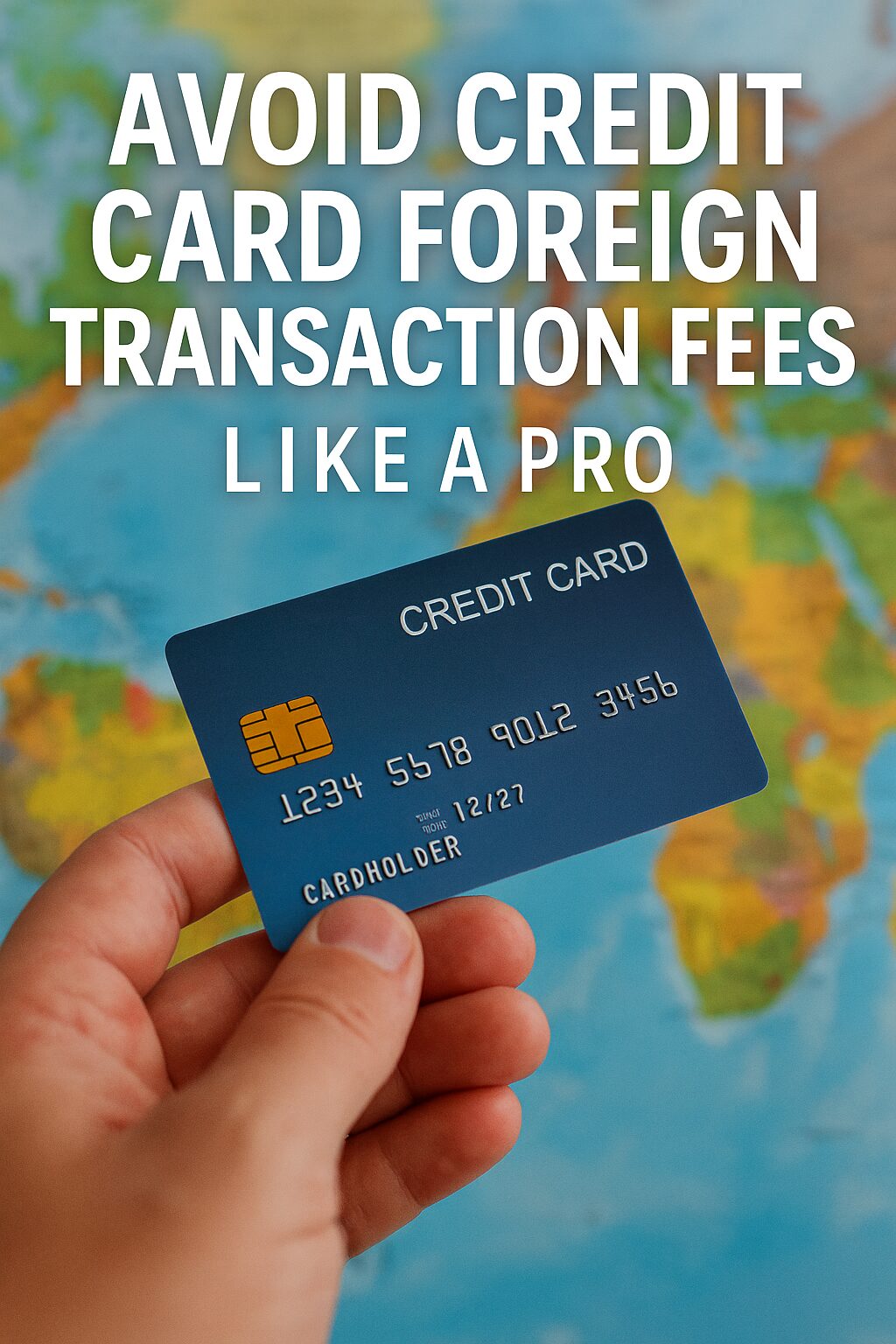
A close-up photo of a hand holding a credit card over a map, symbolizing international travel and spending

Traveling abroad is exciting, but unexpected credit card fees can quickly ruin the experience. Even when you think you’re using your card wisely, hidden charges can sneak up on you. In this guide, we’ll show you how to completely avoid hidden fees when using your credit card overseas in 2025.

1. Understand the Most Common Hidden Fees

Before you even pack your bags, you should be aware of the typical hidden fees that travelers face:

  • Foreign Transaction Fees:
    Many credit cards charge around 1%–3% per transaction made in a foreign currency.
  • Dynamic Currency Conversion (DCC) Fees:
    Some merchants offer to convert your payment into your home currency. While this seems convenient, it often comes with an unfavorable exchange rate and an extra service fee.
  • ATM Withdrawal Fees:
    Using your credit card at a foreign ATM can trigger both a cash advance fee and a high-interest rate immediately.
  • Inactivity or Miscellaneous Service Fees:
    Some banks impose extra charges if a card is inactive for a while, or for certain international customer services.

Knowing these ahead of time helps you plan smarter.

2. Choose the Right Credit Card

The simplest way to avoid most fees is to carry a card designed for international use. Look for a card that offers:

  • 0% Foreign Transaction Fees
  • Competitive Exchange Rates
  • Global Acceptance (Visa, Mastercard preferred)
  • Robust Travel Protections (e.g., travel insurance, lost luggage coverage)

If you don’t already have a travel-optimized credit card, consider applying for one before your trip.

3. Always Pay in Local Currency

When a merchant asks, “Would you like to pay in dollars instead of euros?” always choose the local currency.
Here’s why:

  • Paying in your home currency often triggers DCC, where the merchant’s payment processor applies their own exchange rate — typically much worse than your bank’s rate.
  • You might be charged extra hidden service fees for the conversion.

Golden Rule:

When abroad, always pay in the country’s local currency — never in your home currency.

4. Notify Your Bank Before Traveling

Unexpected charges can be compounded if your card is flagged for suspicious activity while you’re overseas.
Make sure to:

  • Inform your bank of your travel plans (dates and destinations).
  • Set up mobile alerts for all card activities.
  • Confirm that your contact information is updated, in case the bank needs to reach you.

This step also minimizes the risk of frozen accounts during critical moments abroad.

5. Be Careful With ATMs

If you need cash, try these tips:

  • Use your debit card instead of a credit card to avoid cash advance fees.
  • Withdraw larger amounts less frequently to minimize per-transaction fees.
  • Use ATMs affiliated with major banks for better security and lower fees.

Avoid using standalone ATMs at tourist hotspots, hotels, or convenience stores — they often charge the highest fees.

6. Review Your Statements Carefully

After your trip, don’t just pay your bill without checking.
Look for:

  • Unusual transaction amounts
  • Unexpected service fees
  • Any foreign charges that you didn’t authorize

Disputing wrong charges immediately can save you a lot of money and hassle.


Final Thoughts

Credit cards are incredibly convenient for international travel — but only if you know how to use them wisely.
By understanding hidden fees, choosing the right card, and following smart payment practices, you can travel smarter and save hundreds of dollars.

In our next article, we’ll dive into the ultimate checklist you should complete before using your credit card overseas — don’t miss it!
📌 Coming Up Next
Looking for the best credit cards to use in Korea or other countries? Our next post breaks down the top cards for expats — with no annual fees and worldwide acceptance.

How to Choose the Best Travel Insurance for Your Trip

2025 global travel tips providing essential health and currency exchange information

Traveling abroad is exciting, but it comes with risks that can turn your dream trip into a nightmare if you’re not prepared. One of the smartest moves you can make before boarding a plane is purchasing the right travel insurance. However, not all travel insurance plans are created equal. Here’s a complete guide to help you choose the best travel insurance for your needs in 2025.

1. Understand What Travel Insurance Covers

Before you buy, it’s essential to know what a typical policy covers:

  • Medical Emergencies: Hospitalization, surgeries, medical evacuations
  • Trip Cancellations/Interruptions: Reimbursements if you need to cancel or cut your trip short for covered reasons
  • Lost or Delayed Luggage: Compensation for lost, stolen, or delayed baggage
  • Travel Delays: Compensation for meals, accommodation, and transportation if your travel is delayed
  • Personal Liability: Coverage for damages you accidentally cause to others

Check the fine print. Some plans exclude pandemics, pre-existing conditions, or adventurous activities like scuba diving.

2. Assess Your Personal Risk Profile

Are you an adventurous traveler who plans on hiking, skiing, or scuba diving? Are you traveling to a country with limited medical facilities? Your risk level determines the type of coverage you need. High-risk travelers should opt for policies that include evacuation services and coverage for extreme sports.

3. Compare Coverage Limits, Not Just Prices

A common mistake is choosing insurance solely based on the cheapest price. Instead, compare:

  • Medical coverage limit (should be at least $100,000)
  • Emergency evacuation limit
  • Trip cancellation limit
  • Deductibles (out-of-pocket costs before insurance kicks in)

A slightly more expensive plan could save you tens of thousands of dollars if something goes wrong.

4. Look for 24/7 Customer Support

Accidents don’t follow a 9-to-5 schedule. Ensure your insurer offers 24/7 multilingual customer support. Quick assistance during an emergency can make a critical difference when you’re abroad and vulnerable.

5. Choose a Reputable Insurance Provider

Not all insurers are trustworthy. Check online reviews, claim settlement ratios, and whether the company is licensed in your home country. Reputable providers often offer seamless claims processes and better customer service.

6. Understand Exclusions and Fine Print

Many travelers skip reading the policy document carefully. Understand what’s excluded:

  • Pre-existing medical conditions
  • Adventure sports
  • Acts of terrorism
  • Natural disasters Some providers offer add-ons for specific risks, so tailor your policy if needed.

7. Consider COVID-19 and Pandemic Coverage

Although most countries have eased restrictions, COVID-19 remains a factor. Choose a policy that explicitly covers pandemic-related issues such as treatment, quarantine expenses, and trip cancellations due to positive test results.

8. Use Comparison Websites Wisely

Platforms like Squaremouth, InsureMyTrip, and TravelInsurance.com allow you to compare plans easily. However, always cross-check the policy directly on the insurer’s website to verify details before buying.

Final Thoughts

Travel insurance is more than just an additional cost—it’s an investment in your peace of mind. Choosing the right plan tailored to your trip and personal risk profile can protect you from unexpected financial disasters. Spend time comparing your options carefully, and you’ll travel confidently, knowing you’re covered no matter what happens.