The Most Overrated vs Underrated Summer Destinations – Timeless Travel Wisdom for Smarter Trips

A peaceful beach town with minimal tourists, representing underrated summer destinations

What travel blogs won’t tell you—but your wallet will thank you for.

Why This Matters Every Summer

Every summer, millions of travelers flock to the same trendy destinations—only to be met with overpriced hotels, packed beaches, and Instagram-fueled disappointment.
Meanwhile, lesser-known places offer better value, authentic culture, and a more relaxed pace of life.

In this guide, we’ll compare 5 of the most overrated summer destinations with 5 underrated alternatives based on four key factors:
Cost
Crowd Levels
Digital Nomad Readiness
Cultural Depth


1. Santorini, Greece 🇬🇷

Overrated: Santorini

  • Hotels often exceed $400 per night during peak season
  • Crowds dominate the island’s narrow streets
  • Sunset spots are filled with selfie sticks and noise
  • Mass tourism has diluted local traditions

Try Instead: Paros or Naxos

  • Similar Cycladic views and crystal waters
  • Boutique beachfront stays for $120–$150 per night
  • Quiet fishing villages and family-run tavernas
  • Ferry ride from Athens takes just 3–4 hours

Monthly apartment rental: $800–$1,000
Coworking scene: Small but growing
Best for: Couples and creatives seeking peace


2. Bali, Indonesia 🇮🇩

Overrated: Bali (Ubud, Canggu)

  • Dense tourism with inconsistent infrastructure
  • Price inflation on food, lodging, and transport
  • Traffic congestion turns short trips into hours
  • Increasing visa enforcement makes long stays harder

Try Instead: Lombok or Flores

  • Breathtaking beaches and volcano views
  • Traditional villages with rich ceremonies
  • Diving, hiking, and nature without Instagram mobs

Monthly stay cost: ~$500–$700
Coworking: Basic, but fast Wi-Fi at guesthouses
Best for: Nature lovers, solo travelers


3. Barcelona, Spain 🇪🇸

Overrated: Barcelona

  • Tourist taxes, heavy police presence near Airbnbs
  • Overcrowded beaches and long lines at landmarks
  • High prices in peak season (June–August)

Try Instead: Valencia

  • Similar Mediterranean coast with fewer tourists
  • Flat, walkable city with historic charm
  • Famed for authentic Paella and Las Fallas festival

One-bedroom rental: ~$700–$900/month
Coworking hubs: Multiple modern spaces
Best for: Remote workers, food lovers


4. Tulum, Mexico 🇲🇽

Overrated: Tulum

  • Party-heavy scene, rising crime, inflated prices
  • Ecological degradation from overbuilding
  • Disconnect between tourism and local community

Try Instead: Mérida or Bacalar

  • Vibrant colonial city (Mérida) with low crime
  • Bacalar’s Lagoon of Seven Colors is a dream for swimmers
  • Cost of living is half that of Tulum

Monthly cost: ~$600–$850
Wi-Fi: Stable in most rentals, coworking optional
Best for: Cultural travelers, expats


5. Dubrovnik, Croatia 🇭🇷

Overrated: Dubrovnik

  • Massive cruise ship traffic overwhelms the Old Town
  • Game of Thrones fans flood every alley
  • Lodging is limited and expensive in summer

Try Instead: Šibenik or Zadar

  • Quieter Adriatic towns with real Croatian life
  • Beautiful harbors, fewer tourists, affordable cafes
  • Great base for island hopping or slow travel

Average apartment: ~$600/month
Nomad network: Emerging, with quiet cafés to work from
Best for: Budget-conscious travelers, digital nomads


How to Find Underrated Destinations on Your Own

Here’s how seasoned travelers identify hidden gems without relying on travel influencers:

Checklist:

  • Can you find monthly rentals under $900?
  • Is Wi-Fi speed over 30 Mbps?
  • Are there coworking spaces or active expat forums?
  • Can you eat out for under $10 a meal?
  • Are locals welcoming to long-stay foreigners?

Search tips:

  • Use Reddit or Facebook groups like “Digital Nomad XYZ”
  • Search “city name + coworking” instead of “top 10 travel”
  • Check visa policies—some countries offer 6–12 month stays for remote workers

Final Tip: Follow Function, Not Fame

In today’s world, the best travel isn’t about chasing Instagram views—it’s about longer, meaningful, and financially smart stays.

If a place offers clean food, stable internet, local connection, and peace of mind—it wins.
Travel deeper, not wider.


📌 Next Up:
Hunting for a last-minute flight deal without getting ripped off?
In our next post, we’ll break down live tools and strategies to catch the cheapest flights before prices spike.

Visa-Friendly Freelance Niches That Maximize Both Income and Approval Chances

A wide-angle photograph of a coastal digital nomad town with overlay text promoting visa-friendly freelance niches for income and immigration success.

Can your freelance job help you get a visa—or even a green card?

If you’re a digital nomad, a remote worker, or an international freelancer, this question could shape your future.

Not all freelance work is equal in the eyes of immigration officials.
Some freelance niches align closely with visa criteria, while others may be seen as “low skill” or “non-essential.”

In this post, we’ll break down the freelance careers that not only generate reliable income but also boost your chances of getting approved for immigration or work visas, especially for the U.S., Canada, UK, Australia, and similar destinations.


Why Your Niche Matters in Immigration

Immigration officials don’t just ask: “Do you have income?”
They ask:

  • Is your work high-value?
  • Does it require specialized skills?
  • Can it be seen as a national interest?
  • Is it documentable with contracts, clients, media, or results?

Freelancers in strategic niches can demonstrate economic contribution, innovation, and global demand—making it much easier to qualify for visas like O-1, E-2, or EB-2 NIW.


1. Data Science & AI Consulting

Data is the new oil—and immigration officers know it.

If you provide freelance data analytics, AI model development, or machine learning consulting, your skills are seen as:

  • High-income
  • High-impact
  • Highly exportable

Why it’s visa-friendly:

  • Fits STEM classifications (EB-2 NIW, Canada Express Entry, Australia Priority List)
  • Public demand for AI work is global
  • Evidence can be provided through GitHub, Kaggle, portfolios, or research papers

Bonus: U.S. immigration views AI-related consulting as valuable to national competitiveness.


2. UX/UI Design with Recognized Portfolio

UX/UI designers aren’t just creatives—they’re problem-solvers for the digital economy.

With a strong portfolio, freelance designers can prove:

  • Economic value through conversion improvement
  • Thought leadership in the tech space
  • Innovation in product design

Why it works for immigration:

  • U.S. O-1: Creatives with exceptional skill can qualify
  • UK Global Talent Visa: Design portfolios are accepted
  • EB-2 NIW: Digital design affecting public accessibility (e.g., health, education platforms)

Evidence to include: case studies, client reviews, award mentions, media coverage.


3. Technical Writing in STEM Fields

Freelancers who write white papers, documentation, grant proposals, or user guides in scientific or technical fields have a major advantage.

Why? Because this work:

  • Shows high-level understanding
  • Serves public or corporate institutions
  • Is critical to economic sectors

Visa Edge:

  • U.S. EB-2 NIW: Supports public communication in STEM
  • Canada PR: Education + occupation match
  • O-1 Visa: Writers with published work in recognized outlets

Tip: Publish in tech blogs, journals, or company case studies—and document everything.


4. Immigration & Legal Consultancy (Licensed Only)

If you’re licensed in any country to provide legal or immigration services, you’re in a high-trust niche.

Even if you freelance, your work supports individuals or businesses crossing borders—something immigration programs appreciate.

Best use cases:

  • E-2 Visa: Open a consultancy as your business
  • EB-2 NIW: Serve immigrant communities
  • O-1: Legal thought leadership or publication track

Warning: Unlicensed legal advising is illegal and can harm your own visa case.


5. Health Tech Content Creation

Combining healthcare expertise with media and writing opens powerful doors.

Examples:

  • Writing for global health organizations
  • Producing wellness or accessibility content
  • Creating public health education materials

Why it’s immigration gold:

  • EB-2 NIW: Public health impact
  • O-1: Creative + educational impact
  • Canada/UK PR: Health sectors are priority pathways

What to show: audience reach, platform stats, partnerships, measurable impact


Bonus: How to Package Your Freelance Niche for Visa Success

Whatever your niche is—how you present it matters.

Use these tools to support your case:

  • Contracts & invoices
  • Client testimonials
  • Portfolio or GitHub
  • Press or media links
  • Tax filings or 1099s
  • Awards or grants
  • Peer-reviewed work or speaking invitations

What to Avoid

Some freelance niches tend to raise red flags in immigration processes:

  • Unlicensed coaching or therapy
  • OnlyFans or adult platforms
  • Crypto or NFT speculation with no clear clients
  • Anonymous freelance gigs with no documentation

These may be legitimate work—but they’re difficult to explain or prove legally.


Final Thoughts

Freelancing doesn’t have to hurt your visa case.
In fact, the right freelance niche can make your case stronger.

Choose work that’s:

  • High-skill
  • High-value
  • Easy to document
  • Aligned with national or economic priorities

With the right positioning, you can turn your freelance job into your immigration strategy.


📌 Next Up:
The Most Overrated vs Underrated Summer Destinations – Timeless Travel Wisdom for Smarter Trips
→ Thinking of booking your next summer getaway? In our upcoming post, we’ll reveal which destinations are overhyped—and which hidden gems offer real value, fewer crowds, and a richer travel experience. Stay tuned for timeless advice to travel smarter, not trendier.

How to Structure Your Freelance Income Without Breaking Visa Rules

A focused man working on a laptop in a quiet space near a window, with bold text displaying the blog post title about legally structuring freelance income for visa safety

Freelancing gives you freedom—but when you’re on a visa, that freedom comes with rules.
Many digital nomads, expats, and even U.S.-based freelancers unknowingly violate visa terms while working online.

The good news? With the right setup, you can structure your freelance income legally, protect your immigration status, and still grow your global career.

In this post, we’ll break down exactly how to earn freelance income without breaking visa rules—no matter where you are.


Why This Matters: Visa Violations Can Get You Banned

Freelancing on the wrong visa—or reporting income incorrectly—can result in:

  • Visa denial or cancellation
  • Deportation
  • Permanent bans from reentry
  • Loss of future green card or residency opportunities

Immigration agencies care how you earn and where you earn—not just that you’re making money. That’s why smart freelancers structure their income carefully.


Part 1: Understand What Your Visa Allows

Different countries and visa types have different rules. Here’s a simplified breakdown for some major categories:

✦ United States:

Visa TypeFreelance Allowed?Notes
F-1 (Student)❌ (unless OPT/CPT)Must apply for OPT/CPT approval
H-1B (Worker)❌ (only for sponsoring employer)No side gigs unless you get concurrent H-1B
O-1 (Extraordinary Ability)Must work in field of approval
E-2 (Investor)Must be for your registered business
B-1/B-2 (Tourist/Business)No paid work allowed
EB-2 NIWCan freelance if you self-sponsor & follow rules

✦ Canada:

  • Open Work Permit or PR: ✅
  • Tourist visa: ❌
  • Employer-specific visa: ❌ (unless freelance is part of job offer)

✦ UK:

  • Global Talent Visa: ✅
  • Tier 2 Worker Visa: ❌ (unless permitted by sponsor)
  • Tourist Visa: ❌

Part 2: Define Your Freelance Structure – Safely

Here’s how to legally set up your freelance income:

1. Incorporate a Legal Entity (if needed)

If your visa allows you to run a business (e.g., E-2, O-1, PR), consider:

  • U.S. LLC (Delaware, Wyoming, Florida)
  • UK Limited Company
  • Canadian sole proprietorship

Why it helps:

  • Easier invoicing
  • Tax separation
  • Looks professional on visa applications

2. Use a Business Bank Account

Keep your personal and business finances separate. Immigration and tax officials like to see a clear divide.

Options for non-residents:

  • Wise Business
  • Payoneer
  • Mercury Bank (US) – great for founders
  • Revolut Business (EU)

Part 3: Choose Visa-Safe Payment Methods

Payment methods can make or break your compliance:

MethodVisa-Safe?Notes
PayPal BusinessKeep invoices and country origin documented
StripeNeeds linked entity (LLC, Ltd.)
Upwork/FiverrIncome history helps for visa proofs
Direct Wire Transfer⚠️May need to prove business origin

📌 Avoid getting paid into personal accounts tied to countries where you lack tax residency—this creates red flags.


Part 4: Track and Report Income Properly

If you’re in the U.S. (or earning from the U.S.):

  • Get an ITIN if you’re not a citizen/green card holder
  • Use Form 1040-NR for tax filing
  • Report all freelance income, even if paid from abroad

If you’re outside the U.S.:

  • Follow your home country’s tax rules
  • If on tourist visa, do NOT accept client payments locally
  • Document income as foreign-sourced if possible

Part 5: Build a Visa-Safe Freelance Portfolio

Immigration officers prefer:

  • Public websites (LinkedIn, Upwork, Fiverr Pro)
  • Verified reviews
  • Client contracts
  • Screenshots of dashboards and earnings
  • Tax records + invoice history

Create a “visa-ready” folder with:

  • 3–5 client testimonials
  • Income records
  • Business formation documents (if applicable)

Part 6: Don’t Do This (Common Mistakes)

Mistake 1: Earning freelance income on a tourist visa
→ Illegal in almost all countries

Mistake 2: Getting paid into personal PayPal with no record
→ Raises tax and visa flags

Mistake 3: Using platforms with no documentation (Telegram, Discord gigs, etc.)
→ Hard to prove legitimate work later

Mistake 4: Accepting “under-the-table” payments
→ Can disqualify future visa or green card applications


Part 7: Best Practices for Freelancers on Visas

Always know your visa rules—get legal advice if unsure
Keep a monthly export of all invoices and payouts
Use platforms that give you proof
If you’re on a visa that bans work—wait, switch, or apply for an appropriate one
Treat yourself like a business: bank account, tax, contracts, records


Real-World Examples

O-1 Visa Holder (Graphic Designer):
Used Upwork Pro, LLC formed in Delaware, payment via Stripe, collected reviews + media mentions → O-1 approval + renewal

E-2 Visa Applicant (SEO Consultant):
Registered U.S. LLC, earned via Fiverr Pro + direct clients, documented all income → Approved E-2 investment visa

NIW Self-Petitioner (Data Analyst):
Freelanced on Upwork, created public portfolio + LinkedIn, used contracts + tax returns as evidence → EB-2 NIW granted


Conclusion

You don’t need to choose between making money and staying legal.
The key is structure.

By setting up your freelance business the right way:

  • You protect your visa
  • You avoid tax trouble
  • You build a long-term international career

Your freelance income can be your biggest asset—or your biggest liability.
Structure it wisely.


📌 Next Up:
Need help choosing a freelance niche that avoids visa red flags?
In our next post, we’ll show you “The Freelance Niches Most Likely to Trigger Immigration Issues (And What to Do About Them)”—so you can stay safe while building your dream.

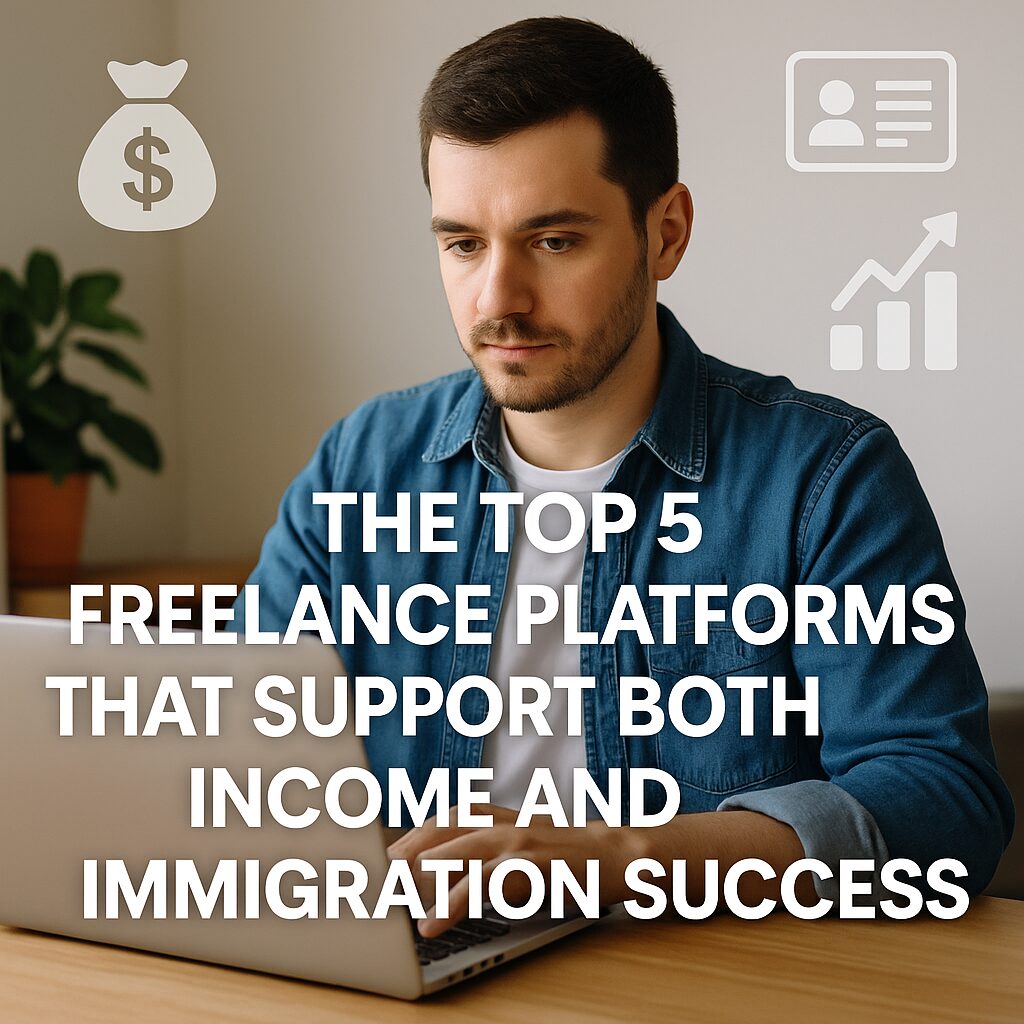
The Top 5 Freelance Platforms That Support Both Income and Immigration Success

A young man working on a laptop surrounded by icons representing freelance work, income, and immigration documents, with bold text about top freelance platforms

If you’re freelancing from abroad—or planning to apply for a work or talent visa—one question matters more than most:

“Can this platform help me make money and prove my value for immigration?”

It’s not just about finding gigs anymore. It’s about building a documented career that supports your long-term goals—whether that means applying for an O-1 visa, qualifying for an EB-2 NIW, or strengthening your PR (Permanent Residency) case in countries like Canada, Australia, or the UK.

In this post, we’ll break down 5 freelance platforms that don’t just connect you with clients—they help you build a credible, income-generating, visa-supporting career.


Why the Platform You Use Matters for Immigration

When applying for a talent-based or investment visa, immigration officers often look for:

  • Trackable income records
  • Client history
  • Professional reputation
  • Public proof of work and skills

Freelance platforms that offer detailed profiles, rating systems, and public portfolios are ideal for proving your expertise—and your economic value to a host country.


1. Upwork – Best for Long-Term Client Relationships and Proof of Earnings

Why it works:
Upwork is one of the most widely accepted platforms by immigration attorneys and visa officers because it provides:

  • Verified income records
  • Work history across multiple clients
  • Long-term contracts
  • Public ratings and reviews

These are exactly the kinds of evidence immigration programs look for when evaluating self-employed professionals.

Use Upwork for:

  • O-1 Visa: Demonstrate exceptional skill through feedback, earnings, and top-rated badges
  • E-2 Visa: Build a consulting-based business that shows ongoing work
  • EB-2 NIW: Prove national interest by showing your service impacts U.S.-based clients

Bonus Tip:
Keep screenshots of your contract milestones and client feedback.


2. Toptal – Best for Elite Talent and High-Income Projects

Why it works:
Toptal only accepts the top 3% of freelance applicants, which makes your acceptance itself a credential.

Toptal gives you:

  • Access to premium clients like Airbnb and Shopify
  • Long-term, high-paying projects
  • Evidence of “exceptional ability” for visa applications

Immigration Advantage:

  • O-1 Visa: Toptal clients and selection process support “extraordinary ability” criteria
  • EB-2 NIW: Show that your tech or design work serves national interest sectors
  • UK or Canada PR: Demonstrate top-tier skill and global recognition

Pro Tip:
Toptal provides client testimonials and performance reviews—keep these for your visa file.


3. Fiverr Pro – Best for Public Portfolio and International Reach

Fiverr isn’t just for low-end gigs anymore. Fiverr Pro is an invite-only tier that verifies your credentials and markets your services globally.

Why it’s visa-friendly:

  • Public gig listings act as visible proof of work
  • Global clientele = international impact
  • Ratings, reviews, and number of orders build your public reputation

Use it to:

  • Show creative excellence (for O-1)
  • Document demand for your services
  • Collect social proof from diverse clients

Immigration Bonus:
Screenshots of your Fiverr dashboard and order history can be included in your portfolio.


4. Contra – Best for Modern Freelancers Who Want Brand-Friendly Portfolios

Contra is a rising platform focused on creator economy freelancers like designers, marketers, video editors, and tech consultants.

Unique advantages:

  • Custom portfolio layout with project images
  • Client review sections built in
  • Option to work “commission-free,” which keeps your earnings clean for tax and visa records

Why immigration officers like it:
Contra profiles are publicly verifiable and allow you to collect work samples, ratings, and project timelines—all in one link.

Strong for:

  • EB-2 NIW: Highlight your project’s economic or educational value
  • E-2 Visa: Run it as your official service business
  • O-1 Visa: Show high-end collaborations with recognized clients

5. Clarity.fm – Best for Consultants and Thought Leaders

Clarity.fm lets experts charge by the minute for business advice. If you’re a consultant, strategist, or niche expert, this is a powerful tool.

What makes it special:

  • You set your rate
  • Calls are recorded for quality
  • Public reviews from clients

You can include these elements in your visa petition package to show:

  • High demand for your knowledge
  • Earnings from expertise
  • Influence across industries

Great for:

  • EB-2 NIW: Show influence and economic impact
  • O-1 Visa: Use recordings, reviews, and media coverage as evidence

Honorable Mentions (If Used Strategically)

  • LinkedIn + Direct Clients: Not a freelance platform, but if you close deals via LinkedIn and keep detailed records, this can be just as strong.
  • PeoplePerHour / Freelancer.com: Good backup platforms, especially for non-U.S. based freelancers.
  • Malt (EU): Excellent for freelancers in Europe building regional PR cases.

What to Track on These Platforms (For Visa Success)

  1. Earnings history (screenshots, tax forms, transaction logs)
  2. Client testimonials (copy them before accounts close)
  3. Ratings and badges (Top Rated, Pro Verified, etc.)
  4. Public project URLs or portfolio links
  5. Work outcomes (traffic increase, ROI, downloads, revenue)

These items can become supporting evidence in visa or green card applications—especially for EB-2 NIW, O-1, or self-sponsorship routes.


Final Thoughts

Freelancing is no longer just about making ends meet.
It’s a powerful career path that, if documented properly, can unlock global opportunities.

Choosing the right platform helps you:

  • Earn consistently
  • Build long-term client relationships
  • Create a public track record of excellence

And most importantly—prove your value when it matters most: during a visa application.


📌 Next Up:
Want to freelance safely without risking your visa?
In our next post, we’ll show you “How to Structure Your Freelance Income Without Breaking Visa Rules”—so you can work online with confidence.

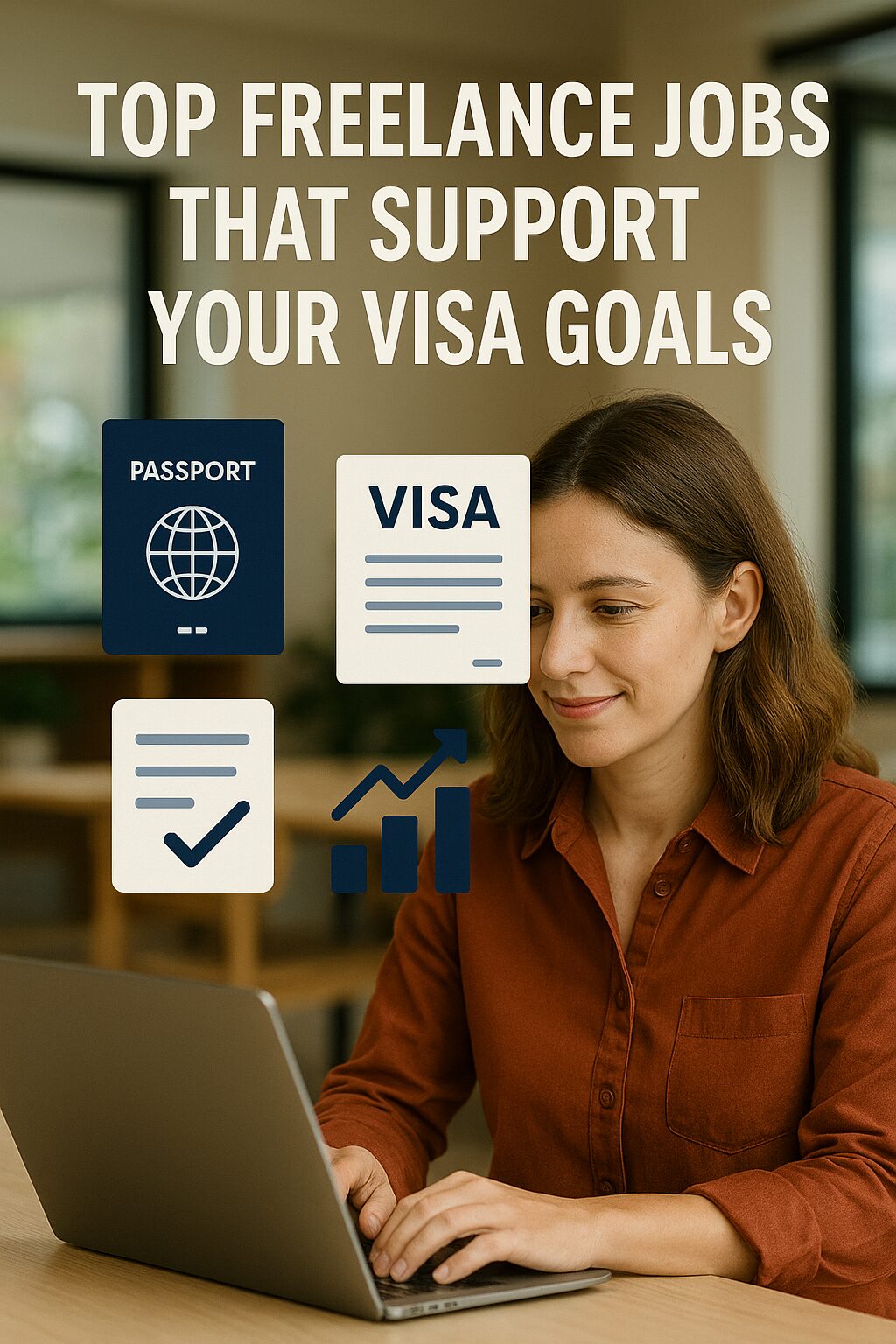
Visa-Friendly Freelance Niches That Maximize Both Income and Approval Chances

Illustration of a female freelancer with a laptop, surrounded by visa-related icons like passport, document, and chart, highlighting freelance careers that support income and immigration

For many freelancers living abroad or hoping to move to another country, there’s one question that keeps coming up:

“Can my freelance job help me get a visa—or even permanent residency?”

The answer? Yes—but only if you’re in the right niche.

Some freelance careers naturally align with immigration requirements. Others may be perfectly legitimate but offer little support for visa or residency applications.

In this complete guide, we’ll explore freelance niches that are not only high-income but also increase your chances of getting approved for work, talent, or investor visas—especially for the U.S. (O-1, E-2, EB-2 NIW), Canada, the UK, Australia, and other popular destinations.


Why Your Freelance Niche Matters for Immigration

Immigration officers often ask:

  • Are you working in a recognized field?
  • Can you prove expertise or distinction?
  • Is your work economically valuable to the host country?
  • Can you support yourself independently?

Freelancers in certain industries have an advantage because their work aligns with what immigration programs are looking for: talent, innovation, entrepreneurship, and economic contribution.


1. UX/UI Design – Creative + Tech = Win

UX/UI Designers are in high demand across the globe, especially in tech hubs.

Why it’s visa-friendly:

  • Shows creative expertise (good for O-1 or UK Talent Visa)
  • Fits under “STEM” for U.S. EB-2 NIW
  • Many clients are startups or tech companies

Portfolio tip: Create a case study website showcasing before/after designs, user flows, and testimonials.


2. Software Development – The Global Power Skill

From freelance app developers to full-stack coders, tech talent is universally recognized and rewarded.

Why it works:

  • Eligible for almost all tech-based visas
  • Proves self-sufficiency and scalable impact
  • Easy to demonstrate measurable value

Platforms like Toptal, Gun.io, and Arc.dev specialize in high-end freelance dev work.


3. Digital Marketing & SEO Strategy

If you’ve helped companies grow their online presence, you have what many visa programs consider “economic value.”

Benefits:

  • Good for E-2 (as a service business)
  • Also supports O-1 (if you have publications, awards, or results)
  • SEO consultants and digital marketers are in high demand

Evidence tip: Gather screenshots of analytics growth, campaign results, and client testimonials.


4. Video Production and Editing

Countries like Canada, the UK, and Australia recognize media and creative arts as talent areas.

Good for:

  • O-1 visa (media professionals, creatives)
  • UK Global Talent visa (film, TV, YouTube creators)
  • Australian Distinguished Talent visa

If you’ve worked on film sets, viral campaigns, or educational video channels, you may qualify.


5. Content Writing & Thought Leadership

While “writing” can be seen as common, it becomes visa-friendly when you combine it with thought leadership, publishing, or awards.

Consider:

  • Ghostwriting for CEOs or high-level professionals
  • Publishing in major media outlets
  • Writing books or white papers in your field

Combine your writing with clear evidence of influence to make it strong enough for visa support.


6. Tech Consulting or Cybersecurity

This niche is booming and often qualifies for priority processing in many visa systems.

Visa-friendly aspects:

  • High-income potential
  • Recognized as STEM skill
  • Valuable to national interest (especially in EB-2 NIW or Canadian PR)

Bonus: You can often work solo or as part of a team remotely.


7. Product Design & 3D Modeling

If you work with CAD tools or product prototyping, you’re in a high-demand, high-recognition field.

Strong for:

  • EB-2 NIW (technology and innovation category)
  • O-1 (if featured in media or awards)
  • Global Talent visas (Australia, UK)

Pro tip: Include patent contributions or design awards if you have them.


8. Data Science & Machine Learning

Data-driven skills are now as valuable as traditional engineering.

Visa advantages:

  • STEM classification
  • Economic impact (used by governments and enterprises)
  • Often listed in shortage occupation lists

Publish research, white papers, or results dashboards to strengthen your profile.


9. Legal or Immigration Consultancy (If Certified)

If you’re a licensed immigration consultant, paralegal, or legal researcher—especially for cross-border work—you’re solving problems that countries care about.

Good for:

  • E-2 investor businesses (e.g., cross-border services)
  • O-1 or EB-2 NIW (if you influence policy or publish research)

Make sure to include certifications, licenses, and thought leadership (if applicable).


10. Health Tech & Med Content Creation

This is an emerging niche, combining health education and content creation.

Visa relevance:

  • Can support EB-2 NIW (public health communication)
  • Counts as creative work for O-1 if you’re published
  • Has real-world impact on public health

Example: Freelancers writing for global health orgs, wellness influencers, or medical educators.


Bonus: Building a Portfolio That Supports Your Visa

No matter your freelance niche, you must:

  • Create a public portfolio (website, LinkedIn, Behance, GitHub)
  • Show testimonials, client logos, or case studies
  • Collect media mentions, awards, and analytics
  • Document your work’s impact (revenue growth, reach, downloads, etc.)

Final Tips for Visa-Smart Freelancers

  1. Think beyond income
    → Immigration officials want to see proof of value, impact, and recognition—not just earnings.
  2. Stay consistent
    → Build your niche presence for at least 1–2 years before applying.
  3. Package your story
    → Visas often come down to how you frame your work—so gather evidence early and organize it well.

Conclusion

Choosing the right freelance niche isn’t just about money. It’s about setting up your career to support long-term mobility, visa opportunities, and even permanent residency.

If your work is economically valuable, creatively distinguished, or aligned with national priorities, it can help unlock doors you never imagined.

Start by doubling down on a visa-friendly niche, build your credibility, and keep documenting your journey. You’re not just freelancing—you’re building global freedom.


📌 Next Up:
Wondering which freelance platforms are best for building a strong immigration case and earning consistently?
In our next post, we’ll reveal “The Top 5 Freelance Platforms That Support Both Income and Immigration Success”—perfect for digital nomads and visa applicants alike.

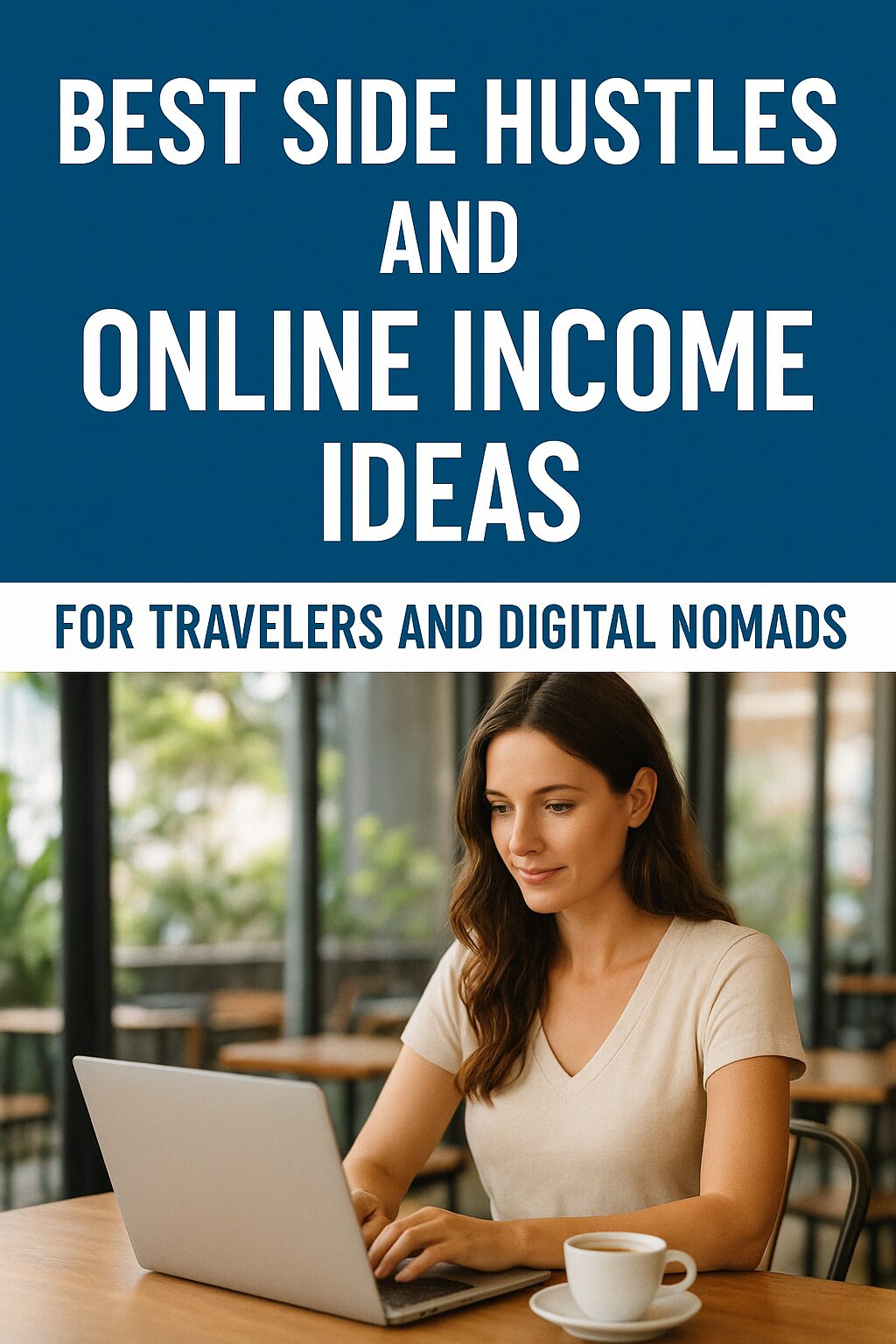
Best Side Hustles and Online Income Ideas for Travelers and Digital Nomads

A digital nomad working on a laptop in a café with natural light, representing online work freedom

Do you dream of traveling the world while still earning steady income? You’re not alone. More people than ever are looking for ways to make money online so they can live, work, and explore from anywhere.

But not all online jobs are created equal. Some are location-dependent, some are short-lived, and others pay too little to support real freedom. So, how can you find sustainable income streams that allow you to fund your travels without sacrificing your lifestyle?

In this complete guide, we’ll explore the best online income ideas and side hustles that work especially well for digital nomads, travelers, and location-independent workers.


1. Freelance Writing (Yes, It’s Still Powerful)

Writing may seem saturated, but good content is always in demand.
Blog posts, newsletters, product descriptions, and even social media copy—someone has to write them all.

Why it works for nomads:

  • You only need a laptop and Wi-Fi.
  • Flexible schedule
  • You can build long-term client relationships.

How to get started:

  • Join platforms like Upwork, ProBlogger, or Freelancer.
  • Start your own blog to showcase writing samples.
  • Consider a niche (e.g. finance, travel, health) to stand out.

2. Print-on-Demand (No Inventory Required)

Love design or slogans? You can sell T-shirts, mugs, phone cases, and more—without touching inventory.

Why it works:

  • Hands-off business model once set up
  • Can scale easily
  • Great for creative nomads

Best platforms:

  • Printful, Teespring, Redbubble, Zazzle

3. Online Teaching and Tutoring

If you have knowledge in a subject—language, math, music, coding—you can teach from anywhere.

Where to start:

  • VIPKid, Preply, Cambly for English tutors
  • Udemy or Skillshare for creating full courses
  • Zoom or Google Meet for private clients

4. Affiliate Marketing (Passive Income Builder)

This is one of the most recommended strategies for travelers. Once set up, your blog, YouTube channel, or even Pinterest can keep making you money.

What you need:

  • Content that attracts a niche audience (travel gear, digital tools, etc.)
  • Trustworthy affiliate links (Amazon, ShareASale, Impact)

Tip:

Build helpful content like “Top 5 Travel Backpacks” or “Best Credit Cards for Nomads” and link to products.


5. Social Media Management

Many businesses want to grow on Instagram, Facebook, or TikTok—but don’t know how.

Your role:

  • Create and schedule content
  • Engage with followers
  • Track performance analytics

You can charge monthly retainers—perfect for funding consistent travel.


6. Virtual Assistant (VA)

As a VA, you help entrepreneurs or businesses with email, scheduling, research, etc.

Perks:

  • Consistent income
  • No specific degree required
  • Long-term remote clients possible

Start with platforms like Belay, Fancy Hands, or OnlineJobs.ph.


7. Dropshipping

While not as passive as advertised, dropshipping can work if done right.

Caution:

  • Needs upfront research
  • Often competitive
  • Marketing is key

Use Shopify + Oberlo or WooCommerce + AliExpress


8. YouTube or Podcasting

If you’re comfortable on camera or with your voice, this is a scalable path.

Monetization:

  • Ad revenue
  • Affiliate links
  • Sponsorships

Start with low-cost equipment and focus on authentic, useful content for your niche.


9. Travel Blogging (Still Works in 2025)

You may think it’s outdated, but there’s still gold in blogging—especially if it’s problem-solving.

Blog content ideas:

  • Budget travel tips for families
  • Nomad life with kids
  • How to travel with chronic illness
  • Best places to work remotely in 2025

Use your blog to:

  • Monetize with ads (AdSense, Mediavine)
  • Promote affiliate links
  • Sell your own products or courses

10. Remote Tech Jobs (Flexible Employment)

If you’re skilled in software development, UX design, or data science, you can work full-time remotely.

Top remote job boards:

  • We Work Remotely
  • Remote OK
  • Toptal

These roles tend to pay much more than side hustles—but may require more hours.


Bonus: Selling Digital Products

You can create once and sell forever. Ideal for travelers who want to scale income.

What to sell:

  • Budget spreadsheets
  • E-books
  • Travel checklists
  • Templates for Notion, Canva, or Google Docs

Sell on Gumroad, Etsy, or Podia.


Tips for Earning While Traveling

  • Automate as much as possible (scheduling tools, payment systems)
  • Use VPNs to access platforms from anywhere
  • Work in sprints: batch content creation to free up travel time
  • Find Wi-Fi-friendly cafes and co-working spaces in advance

Final Thoughts

You don’t have to choose between income and adventure. With the right online hustle, you can live your dream and pay the bills. Just remember: consistency beats perfection. Start small, grow step-by-step, and before long, you’ll have a freedom-based lifestyle that others only dream about.


📌 Next Up:
Wondering which freelance niche offers the best income and visa support?
In our next post, we’ll explore “Visa-Friendly Freelance Niches That Maximize Both Income and Approval Chances”—especially useful for O-1, E-2, or EB-2 NIW applicants building long-term careers abroad.

The Ultimate Guide to Saving Money on Summer Travel – Flights, Stays, Food, and More

A traveler reviewing budget tips on their phone at an airport, surrounded by luggage and sunlight

Why Summer Travel Is So Expensive—and What You Can Do About It

Summer is peak travel season, and everything—from flights to snacks—costs more. But you don’t need to sacrifice comfort or experience to stay within budget.
In this guide, you’ll learn how to cut summer travel expenses across the board: flights, lodging, food, transportation, and activities. These strategies work anywhere in the world, and the savings add up fast.


1. Save Big on Flights Without Losing Time

Airfare is usually the largest upfront expense. Here’s how to reduce it:

Tools & Tricks:

  • Use Google Flights with flexible dates
  • Search incognito to avoid price hikes
  • Set alerts with Hopper, Skyscanner, or Kayak
  • Try flying mid-week and early morning
  • Check round-trip vs one-way on different airlines

Bonus:

  • Use points from travel credit cards or loyalty programs
  • Book flights in different currencies using a VPN (compare rates!)

2. Book Smarter to Slash Hotel Costs

Hotels can drain your budget quickly if you’re not careful.

Booking Strategies:

  • Use meta-search tools (HotelsCombined, Trivago)
  • Check the hotel’s direct site for better rates
  • Use hidden deals (Hotwire, Priceline Express)
  • Join loyalty programs for free perks (Wi-Fi, late checkout)
  • Look for app-only or member-only discounts

Alternative Options:

  • Guesthouses, hostels (with private rooms), or serviced apartments
  • Long-stay Airbnb discounts (weekly or monthly rates)

3. Eat Local Without Breaking the Bank

Dining out 3 times a day adds up quickly. Here’s how to eat better for less:

Tactics:

  • Find local lunch specials or “menu of the day” deals
  • Eat where locals eat (not near tourist spots)
  • Use apps like Yelp, Google Maps, or HappyCow to compare prices
  • Visit supermarkets or local markets for snacks, fruit, drinks
  • Book lodging with a kitchen and cook once per day

💡 Tip: Breakfast included = one less meal to pay for


4. Cut Transportation Costs in Every City

You don’t need to rent a car or take taxis to get around efficiently.

Smart Moves:

  • Use public transport cards (like Oyster in London, Metrocard in NYC)
  • Download city-specific apps (Moovit, Rome2Rio, Citymapper)
  • Rent bikes or use scooters (especially in bike-friendly cities)
  • Walk strategically—group activities by neighborhood
  • Use overnight buses or trains to save on both travel + lodging

5. Choose Free or Low-Cost Activities That Are Still Amazing

You don’t need to spend big on guided tours or amusement parks to enjoy a city.

Ideas That Cost Little (or Nothing):

  • Free walking tours (many cities have them daily)
  • Local parks, beaches, museums (some free days or discounts)
  • Sunrise hikes, sunset viewpoints, or street performances
  • Cultural festivals, flea markets, or open-air events
  • Free apps with self-guided audio tours

💡 Tip: Check the city’s tourism site or Reddit threads for hidden gems.


6. Be Flexible—but Strategic—With Your Itinerary

Don’t lock yourself into a rigid plan. Some spontaneity can save you money.

How to Stay Open While Staying Smart:

  • Travel off-peak hours and days
  • Be open to alternate airports and cities
  • Stay longer in cheaper places, shorter in expensive ones
  • Book lodging with free cancellation in case a deal pops up
  • Use apps like Rome2Rio to compare multiple travel modes

7. Combine Travel Hacks for Compounding Savings

Each trick on its own saves a little. Combined, they save a lot.

Example Daily Budget Strategy:

  • Free breakfast
  • $5 local lunch
  • Public transport pass
  • One paid experience per day
  • Grocery store dinner or street food

You can explore Paris, Seoul, or Mexico City for under $50/day with the right strategy.


Final Thoughts: Budget Travel Isn’t About Sacrifice—It’s About Smart Choices

Traveling on a budget isn’t just for students or backpackers.
With the right systems, you can travel more, spend less, and still enjoy amazing food, views, and experiences.
Use this guide to create a flexible, affordable plan that fits your life—not just your wallet.


📌 Next Up:
Ready to start earning while traveling? In our next post, we’ll explore the best side hustles and online income ideas for travelers and digital nomads—so you can keep funding your adventures.

How to Plan a Workcation Without Burning Out – Tools, Locations, and Schedules That Work

A remote worker planning their day at a laptop with a tropical view in the background

The Rise of the Workcation Lifestyle

Working remotely while traveling the world sounds like a dream. And for many, it’s becoming reality. But blending work with vacation can backfire—unless you plan it right.
In this guide, we’ll show you how to design a sustainable, productive, and enjoyable workcation with the right tools, schedules, and global destinations. Whether you’re freelancing or employed full-time, these tips help you travel smarter—without sacrificing performance or peace.


1. Understand What a Workcation Is—and What It Isn’t

A workcation isn’t just working from the beach. It’s a temporary setup where you balance focused work with quality exploration.

Key elements of a successful workcation:

  • Stable internet connection
  • Work-friendly accommodations
  • Clear expectations (from clients, teams, or yourself)
  • Prioritized schedule that protects both work and leisure

2. Choose the Right Type of Workcation for You

There’s no one-size-fits-all. Consider these workcation styles:

TypeBest For
City-basedRemote workers who need fast internet and coworking hubs (e.g. Lisbon, Seoul)
Nature-focusedBurnout recovery, writing, solo deep work (e.g. Bali, Costa Rica)
Mobile/NomadicFrequent movers, short-term rentals (e.g. Mexico, Thailand)
Group WorkcationTeams, friends, or communities (e.g. remote startup retreats)

3. Pick the Right Location (Criteria That Matter)

Use these criteria when choosing a destination:
Reliable Wi-Fi
Affordable short-term rentals
Time zone overlap (for meetings)
Local SIM card or eSIM availability
Easy visa rules or long-stay permits
Access to coworking spaces or cafes
Nearby nature or culture to recharge

Bonus Tip: Use websites like NomadList, Workfrom, or Teleport to compare digital nomad readiness.


4. Build a Flexible But Focused Schedule

Don’t try to work 9-to-5 in a new time zone. Instead, build a rhythm that fits your energy and location.

Workcation Schedule Framework:

  • Morning (High Focus): Deep work, writing, creative tasks
  • Midday (Light Work + Local Food): Emails, admin tasks
  • Afternoon (Adventure Block): Hikes, museums, beach
  • Evening (Soft Closure): Light planning or social time

Tip: Use the “two-core-block” system: one 3-hour work block + one flexible block.


5. Use the Right Tools to Stay Productive and Connected

Success on a workcation depends on good tech. Use lightweight, mobile-friendly tools that work from anywhere.

Top Tools:

  • Project Management: Trello, Asana, Notion
  • Time Tracking: Toggl, Clockify
  • Focus Tools: Forest App, Cold Turkey
  • Communication: Zoom, Slack, Loom
  • Cloud Storage: Google Drive, Dropbox

For internet backup: Carry a portable Wi-Fi router or SIM-ready travel hotspot.


6. Book Accommodations Built for Remote Work

Not all Airbnbs or hotels are remote-worker friendly.

Look for:

  • Large desk or dining table
  • Strong Wi-Fi with speed test screenshots
  • Quiet surroundings
  • Kitchen access (to reduce cost + time)
  • Nearby coworking spaces

📌 Use platforms like Flatio, Outsite, or Selina for digital nomad rentals.


7. Budget Your Time and Energy (Not Just Money)

Burnout during a workcation usually comes from overcommitment, not overspending.

Balance checklist:

  • Limit meetings per day
  • Alternate high-focus days with light ones
  • Use time-tracking to protect your personal time
  • Say “no” to unnecessary video calls

Remember, your energy is your real currency.


8. Know the Legal & Financial Basics

Depending on your passport and work type, you may need to understand:

  • Visa types (tourist vs digital nomad visas)
  • Tax residency rules if staying over 183 days
  • Health insurance coverage abroad
  • Data security laws when handling client info

Always check your legal situation before settling somewhere.


Final Thoughts: Work Smarter, Live Fuller

A workcation is one of the most rewarding ways to work and live—if done right.
With proper planning, the right mindset, and a balance between productivity and presence, you can create memories while maintaining momentum in your career.
It’s not a vacation. It’s a smarter life strategy.


📌 Next Up:
Summer travel can get expensive fast. In our next post, discover a full guide to saving money across flights, food, lodging, and transportation—so you can make every trip more affordable.

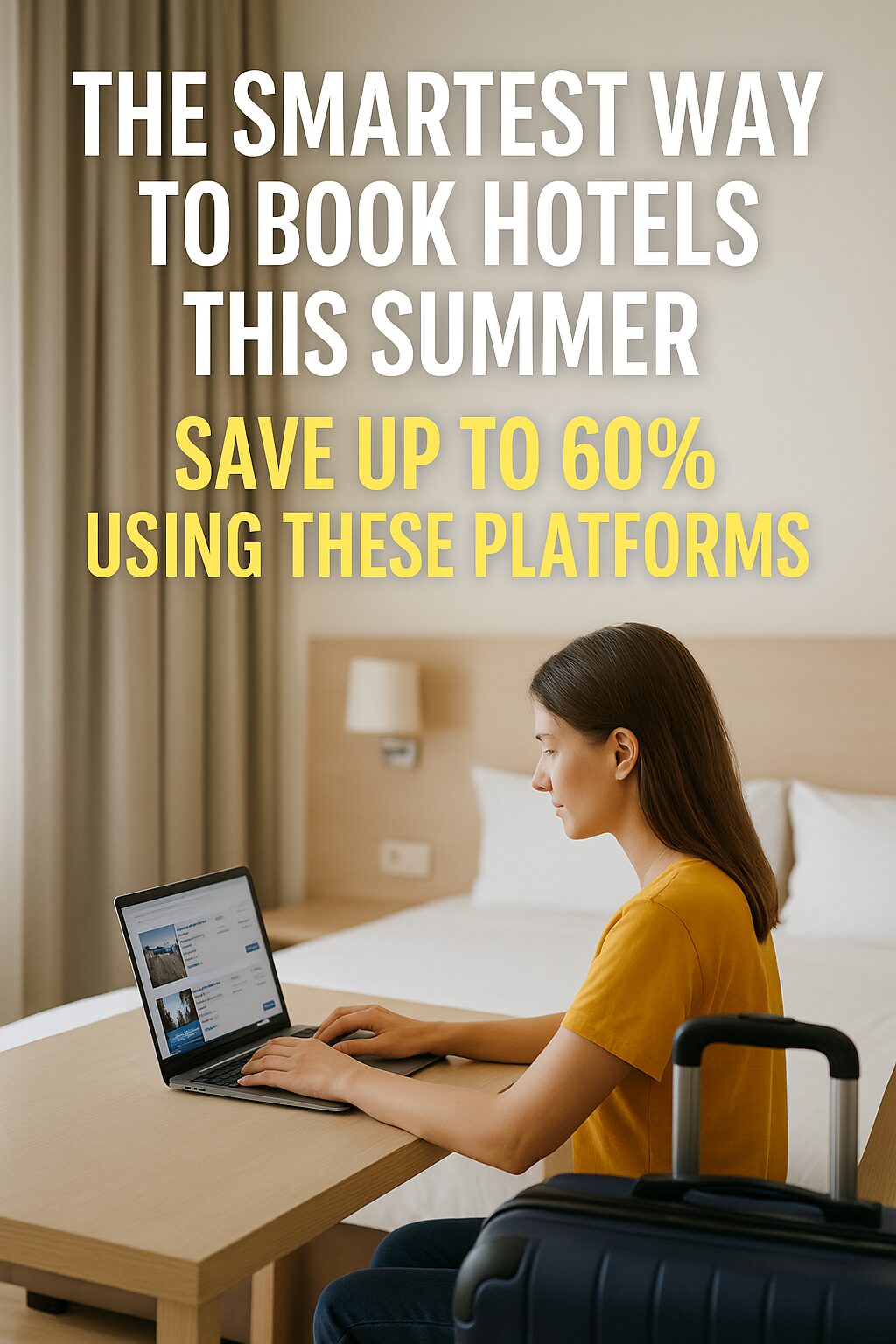
The Smartest Way to Book Hotels This Summer – Save Up to 60% Using These Platforms

A digital nomad checking hotel prices on a laptop beside a suitcase in a bright, modern room

Why Hotels Are the Most Overpriced Part of Travel

Flights get all the attention, but hotels often eat up the biggest chunk of your travel budget—especially during summer. The same room can cost $100 more depending on when, where, and how you book.
This guide will show you exactly how to save up to 60% on accommodations using smart platforms, hidden-rate tactics, and booking psychology. Whether you’re traveling for work, leisure, or with family, this evergreen strategy works globally, year-round.


1. Use Price Comparison Platforms – But Not Just One

Most travelers check one or two sites (like Booking.com or Expedia) and stop there.
Big mistake. Every site shows different rates and hidden deals.

Best platforms to compare:

  • HotelsCombined – searches over 30+ platforms at once
  • Trivago – great for fast comparisons
  • Kayak – includes taxes and fees up front
  • Agoda – often has Asia-specific discounts

Tip: Always double-check final price with taxes before booking.


2. Always Check the Hotel’s Official Website

Many hotels offer lower prices or extras (like free breakfast or upgrades) only on their official site.
Also, you can sometimes negotiate directly for better deals if you call or email.

Smart strategy:

  • Use comparison sites to find the best rate
  • Then visit the hotel’s own site to check for promos
  • Finally, call and ask: “Can you match or beat this rate?”

3. Use ‘Hidden Rates’ and Private Deal Portals

Some platforms hide the best prices behind logins or apps.

Where to find them:

  • Hotwire Hot Rates
  • Priceline Express Deals
  • Orbitz Members-Only Deals
  • App-only offers on Booking, Agoda, etc.

These are often 20–50% cheaper, but you won’t see the hotel name until after booking.
Perfect for budget travelers willing to trade transparency for price.


4. Try Meta-Search Tools and Travel Agents (Yes, Still Useful)

Google Hotels and Trip.com sometimes surface rates even the hotel won’t advertise.
Also, travel agents in your home country might have access to local deals for popular summer destinations.

✅ This is especially useful if:

  • You’re booking for groups or long stays
  • You want bundled rates with flights + hotels
  • You’re traveling to high-demand areas

5. Use a VPN or Country-Switching Trick

Just like with flights, hotel prices change depending on where you’re browsing from.

How to hack it:

  • Use a VPN to pretend you’re in a low-cost country (e.g., India, Malaysia)
  • Switch the currency on hotel sites manually
  • Compare USD price vs local currency

Sometimes, you’ll save 10–30% just by “traveling digitally.”


6. Book at the Right Time – Not Too Early, Not Too Late

Booking too far in advance can mean inflated rates.
But last-minute booking during peak season can be risky.

Best booking windows:

  • 2–3 weeks before check-in = best for price
  • Monday to Wednesday = cheaper rates
  • Avoid booking Friday or Saturday (when demand surges)

Bonus: Use Hopper or Google Hotels to monitor price changes.


7. Use Cashback and Reward Sites (It Adds Up!)

Before finalizing your booking, go through cashback sites like:

  • Rakuten (US/CA)
  • TopCashback (UK/US)
  • RebatesMe (global)

You’ll get 5–15% back on hotel bookings—money you can use on the trip!

Pro Tip: Combine this with a travel credit card to double dip rewards.


8. Avoid the ‘Default Sort’ Trap

Most hotel platforms sort by “Recommended” or “Popular” first.
This often hides the best-value properties.

What to do instead:

  • Sort by Price + Guest Rating
  • Use filters: 3-star & up, rating 8.0+
  • Expand your search area radius (5–10 km)

This single step can reveal better rooms for half the price.


9. Consider Alternative Accommodations (Not Just Hotels)

Hotels aren’t your only option.

Budget-friendly alternatives:

  • Guesthouses: often locally run, more charm
  • Serviced apartments: ideal for longer stays
  • Hostels: private rooms with shared facilities
  • Airbnb or Vrbo: especially good for groups

Choose what fits your purpose, not just the platform you’re used to.


Final Thoughts: Booking Smart = Traveling More

Hotels can easily double your travel budget—but they don’t have to.
With the right combination of tools, timing, and strategy, you can stay in comfort without financial regret.
And when your lodging costs go down, your travel frequency can go up.


📌 Next Up:
Want to work while you travel—without burning out?
In our next post, we reveal how to plan the perfect workcation using proven tools, flexible destinations, and balanced schedules.

Top 7 Affordable Summer Destinations Around the World – Timeless Picks for Smart Travelers

A traveler enjoying a scenic beach with a backpack and camera, symbolizing budget summer travel

Dream Summer Trips Don’t Have to Be Expensive

When you think of summer travel, you might picture luxury resorts and $1,000 plane tickets. But in reality, some of the world’s most stunning destinations are surprisingly affordable—if you know where to look.
This guide reveals 7 timeless summer travel spots across the globe where you can relax, explore, and make unforgettable memories without draining your savings. These places are not seasonal fads—they’re smart long-term picks, year after year.


1. Bali, Indonesia

Why It’s Affordable

  • Budget guesthouses from $10/night
  • Local meals for under $3
  • Scooter rental: ~$5/day

What to Do

  • Surf at Kuta Beach
  • Yoga in Ubud
  • Sunset at Tanah Lot Temple

Travel Tips

  • Avoid peak Australian holidays for better prices
  • Use Grab or GoJek for transport

2. Lisbon, Portugal

Why It’s Affordable

  • Cheaper than Paris or Rome
  • Many free museums on Sundays
  • Local wine + seafood meals for under $10

What to Do

  • Ride Tram 28
  • Visit the Alfama district
  • Enjoy sunset from Miradouro da Senhora do Monte

Travel Tips

  • Book flights into Madrid + take a bus to save
  • Walkable city = save on transport

3. Split, Croatia

Why It’s Affordable

  • Budget rooms from $20/night
  • Cheap ferry access to islands
  • Free beaches, hikes, and Roman ruins

What to Do

  • Diocletian’s Palace
  • Island-hop to Hvar or Brac
  • Kayak along the coast

Travel Tips

  • Book ferries in advance during summer
  • Avoid mid-July to early August for crowds

4. Medellín, Colombia

Why It’s Affordable

  • Private rooms from $15/night
  • Metro ride: $0.75
  • Lunch “menu del día” for ~$3

What to Do

  • Ride the cable cars over the city
  • Visit Comuna 13 street art
  • Explore coffee farms nearby

Travel Tips

  • Summer = dry season
  • Stay in El Poblado or Laureles

5. Istanbul, Türkiye

Why It’s Affordable

  • 3-star hotels under $40/night
  • Delicious street food: $1–3
  • Free entry to many historical sites

What to Do

  • Hagia Sophia & Blue Mosque
  • Cruise the Bosphorus
  • Shop at Grand Bazaar

Travel Tips

  • Buy Istanbulkart for cheap transport
  • Visit mosques early to avoid queues

6. Da Nang, Vietnam

Why It’s Affordable

  • Beachfront hotels from $25/night
  • Pho + Banh Mi for under $3
  • Motorbike rental: $6/day

What to Do

  • Relax on My Khe Beach
  • Day trip to Hoi An
  • Marble Mountains hike

Travel Tips

  • Fly into Hanoi or HCMC for cheaper flights
  • Travel by train for scenic views

7. Tbilisi, Georgia

Why It’s Affordable

  • Guesthouses for $15–20/night
  • Wine tastings + dinner: under $10
  • Free walking tours daily

What to Do

  • Ride the cable car to Narikala Fortress
  • Explore sulfur baths
  • Take a wine tour in Kakheti region

Travel Tips

  • Visa-free entry for many nationalities
  • Summer festivals = bonus cultural events

Final Thoughts: Affordability Without Sacrifice

These destinations prove that you don’t need luxury resorts or big travel budgets to have a memorable summer.
Each place offers unique experiences, low costs, and long-term value—perfect for travelers who want smart, repeatable vacations year after year. Whether you’re a backpacker or a remote worker, these locations will stretch your dollar and leave you with rich memories.


📌 Next Up:
Hotels can eat up your travel budget. In our next post, discover the best platforms and tricks to save up to 60% on accommodation—without sacrificing comfort.