Smart Money & Cost-saving Series – Part 2

Explore korean culture and tourist attractions with and wellness tips

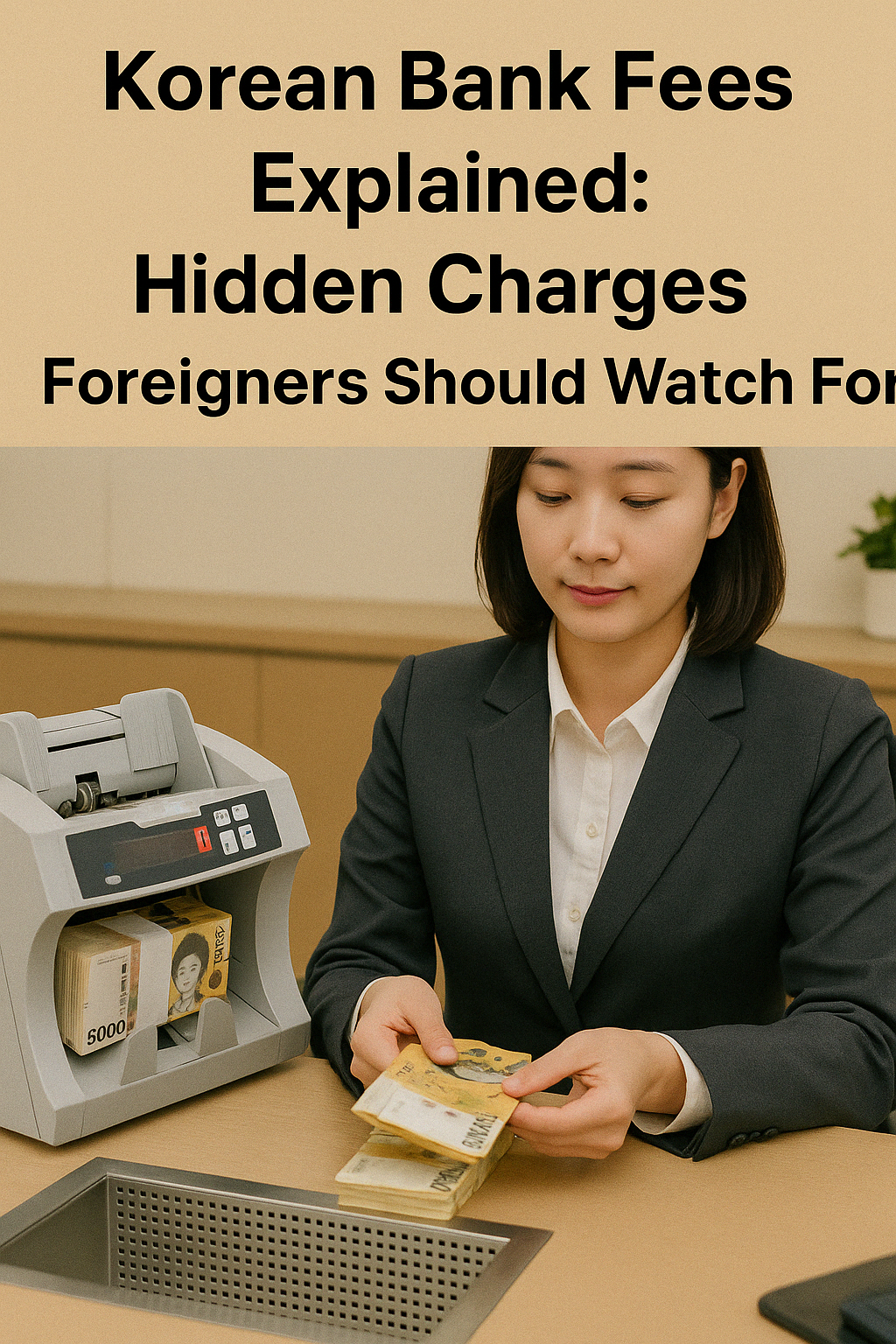
Korean Bank Fees Explained: Hidden Charges Foreigners Should Watch For

Introduction

Banking in Korea can seem smooth at first—easy apps, widespread ATMs, and helpful staff. But what many foreigners don’t realize is that behind this convenience lies a maze of hidden fees. This guide breaks down the most common (and overlooked) bank fees foreigners face in Korea and how to avoid them.


1. Most Common Bank Fees in Korea

ATM Usage Fees
₩500–₩1,500 for after-hours withdrawals or using another bank’s ATM.

Account Maintenance Fees
Charged if balance falls below ₩100,000. Often deducted silently.

Interbank Transfer Fees
₩500–₩1,000 per transfer between Korean banks.

Dormant Account Penalties
Inactivity over 1 year = dormancy. Reactivation may involve extra fees.

Reissuance Fees
Lost card/passbook: ₩2,000–₩5,000. Even PIN change may cost money.


2. Hidden Costs Specific to Foreigners

Foreign Currency Handling Fees
Up to 1.5% for currency conversion (USD, EUR). Also applied to international wire transfers.

International Transfer Fees
Includes:

  • Outgoing fee (₩10,000–₩30,000)
  • SWIFT message fee
  • Exchange rate margin

Account Closure Fees
Rare, but possible if closed within 6 months.


3. Real-life Scenarios That Cost You Money

“I withdrew ₩50,000 at night and lost ₩1,200 in fees.”
“My balance dropped under ₩100,000 — got charged monthly.”
“I left Korea and forgot about my account. It went dormant.”


4. How to Avoid Unnecessary Charges

  • Use your bank’s ATMs during business hours
  • Maintain a healthy minimum balance
  • Use mobile apps for alerts
  • Bundle transfers into larger amounts
  • Close unused accounts
  • Compare banks: K-Bank and KakaoBank often have better policies

Conclusion

Korea’s banking system is advanced, but not always transparent.
A little awareness = a lot of savings. Stay informed and keep your money safe.


Next in Series:
👉 [Part 3: How to Exchange Money in Korea – Safely and Cheaply] (Coming Soon)
[Smart Money & Cost-saving Series – Part 1]

Explore korean culture and tourist attractions with and wellness tips

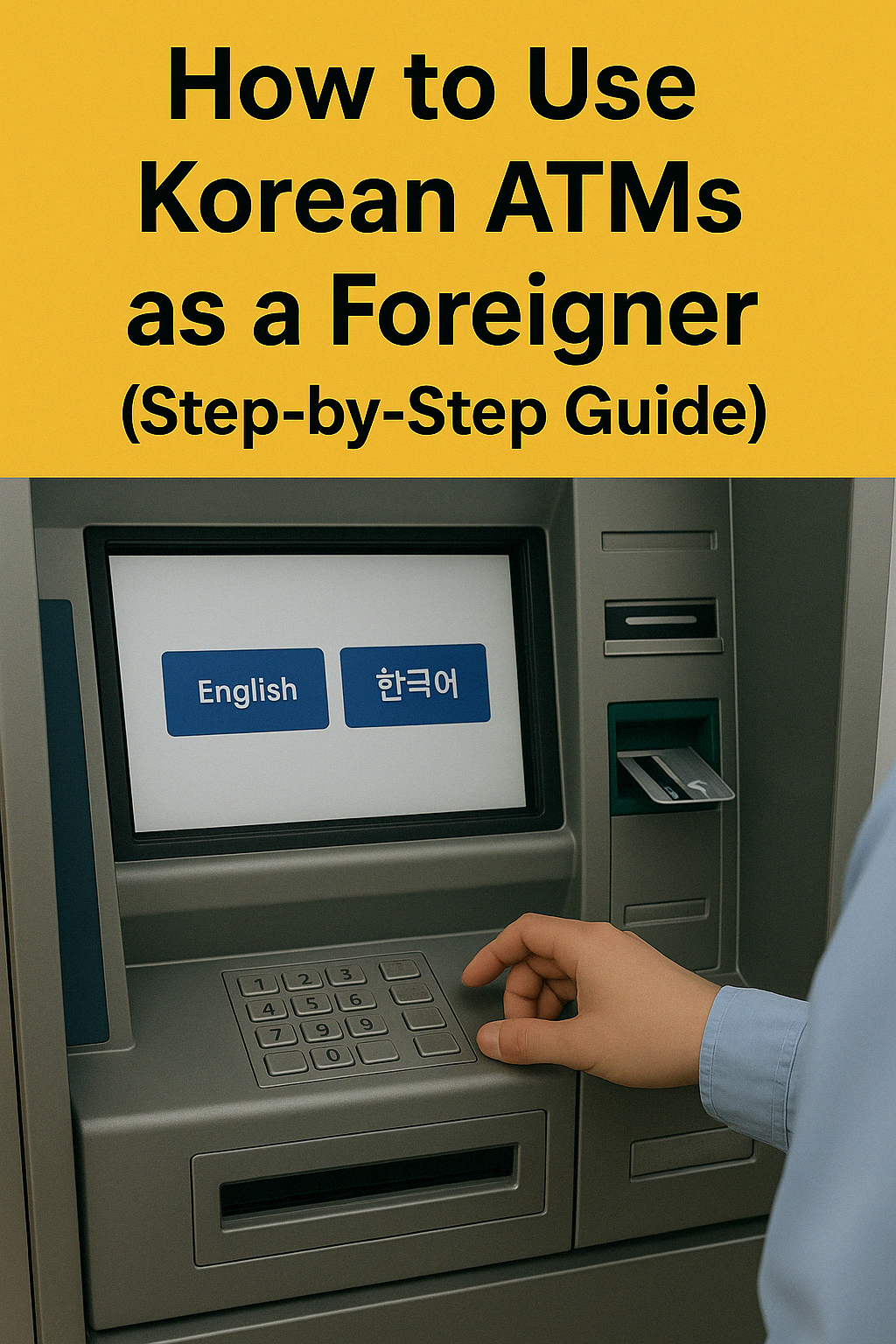
How to Use Korean ATMs as a Foreigner (Step-by-Step Guide)

Introduction
Using an ATM in Korea might seem simple—until you’re standing in front of a machine filled with Korean-only text, trying to withdraw cash with your foreign bank card. Whether you’re a new arrival, a traveler, or a long-term resident, knowing how to use Korean ATMs can save you time, frustration, and even money. This guide walks you through everything you need to know to use ATMs in Korea like a pro.


1. Types of ATMs in Korea

Bank ATMs (Most Reliable)
Located inside or next to major banks such as KB Kookmin, Shinhan, Hana, or Woori. These machines usually support multiple languages and accept both domestic and some foreign cards.

Convenience Store ATMs (24/7 Access)
Found in GS25, CU, and 7-Eleven.

  • Available anytime
  • Higher fees
  • Limited English menus
  • Compatibility issues

Airport & Tourist Area ATMs
In Incheon Airport, Myeongdong, or Hongdae — more English options and better compatibility for foreigners.


2. Which ATMs Accept Foreign Cards?

Look for these logos:
Visa / Mastercard / Cirrus / Maestro / UnionPay / Plus

Best options: Citibank Korea and KB Kookmin Bank
Avoid: Smaller regional bank ATMs


3. Step-by-Step: How to Withdraw Cash

Step 1: Insert your card (chip side first)
Step 2: Choose language (English if available)
Step 3: Select “Withdrawal”
Step 4: Enter 4-digit PIN
Step 5: Enter amount (₩10,000 or ₩50,000 denominations)
Step 6: Confirm, collect cash and card


4. Common Issues Foreigners Face

  • Transaction denied → Unsupported card, blocked by your bank, or insufficient funds
  • Card swallowed → Visit the bank counter or call the number on the ATM
  • Daily withdrawal limits → Often ₩300,000 ~ ₩1,000,000 per transaction

5. Tips to Make ATM Use Easier

  • Use ATMs during banking hours (9am–6pm)
  • Prefer Citibank or KB branches
  • Withdraw larger amounts less often
  • Avoid late Sundays (some machines run out of cash)

Conclusion

ATMs in Korea may seem confusing at first, but with this guide, you’ll avoid mistakes, save time, and minimize fees. Whether you’re staying long-term or just visiting, it’s your money — use it wisely.


📌 Next in Series:
[Part 2: How to Exchange Money in Korea – Safely and Cheaply] (Coming Soon)
How to Save Big on Dollar Transfers for Students Abroad – A Parent’s Guide to Smarter Remittance

Traveling abroad for health and wellness exploring cultural and medical services

If you’re sending money overseas for your child’s education, you’re not alone.
Thousands of Korean parents transfer dollars every month for tuition, housing, and living expenses.
But here’s what many don’t realize:
Most traditional bank transfers are costing you more than you think.

This guide breaks down how to cut your remittance costs by 50% or more
without compromising speed or reliability.


1. Traditional Banks: More Than Just Transfer Fees

Most people think sending money through banks is simple.
But here’s what’s hidden:

  • Bank transfer fee (₩10,000–₩30,000)
  • Middle bank fee (up to $30, often unlisted)
  • Marked-up exchange rate (not the market rate)

Bottom line: You’re paying more than ₩50,000 ($40+) to send $1,000, and it can take 2–5 days to arrive.


2. Fintech Transfer Apps – Transparent, Fast, and Cheaper

Modern remittance platforms are changing the game.
They offer real-time rates, low fixed fees, and faster delivery.

Wise (formerly TransferWise)

  • Market exchange rate
  • Fees often under ₩12,000
  • Money arrives in 1–2 days

Toss Global Transfer

  • Easy to use for Koreans
  • Convenient domestic account link
  • Expanding list of countries

Shinhan SOL Easy Remit

  • Bank-backed reliability
  • Competitive fees
  • App-based interface

Pro tip: Always compare at least 2 platforms before each transfer.


3. Real Savings – Let’s Do the Math

Let’s say you send $1,000 every month for your child’s expenses.

MethodMonthly CostAnnual Cost
Bank Transfer₩50,000+₩600,000+
Wise App~₩12,000~₩144,000

Savings: Over ₩450,000 ($340+) saved annually
That’s a flight ticket, a semester book fee, or more housing support.


Final Thoughts

Sending money to your child abroad shouldn’t mean losing money on the way.

Today’s tools allow you to take control of exchange rates and fees
with just a few taps on your phone.

Make every dollar count.
Your support deserves to go to your child—not the bank.


Coming Next:

Part 3 – How to Maximize Your Currency Exchange Before Traveling Abroad
100% fee waiver tips and timing tricks coming up!

Is the Dollar Going Crazy? 3 Reasons Why Timing Your Currency Exchange Matters Now

foreign currency exchange in korea focusing on US dollars for travelers

The dollar is soaring, and if you’ve been watching the exchange rate lately, you’re not alone.
Whether you’re a student planning to study abroad, a parent sending money overseas, or a traveler gearing up for a trip — the USD/KRW exchange rate matters more than ever.

Right now, 1 USD is worth around 1,400 KRW. That’s a level we haven’t seen since the 2008 financial crisis.
So what should you do?
Should you exchange your money now or wait?
This post breaks down 3 practical reasons why timing your currency exchange is more important than ever in 2025.


1. Exchange Without a Rate Discount = Hidden Loss

Most banks charge a hidden fee in the exchange rate itself.
If you’re not using a currency rate discount, you could be losing 3–5% per exchange.

What to do:

  • Use your bank’s mobile app to apply for exchange rate benefits.
  • Most banks offer up to 90–100% discount on fees if you reserve the currency online.
  • Avoid exchanging at airports or over-the-counter without reservation — you’ll overpay significantly.

2. International Money Transfers Come with More Than One Fee

If you’re sending money abroad — especially for tuition or living expenses —
you’re not just dealing with bank fees. You’re also paying:

  • A middle bank fee (often hidden),
  • A less favorable exchange rate,
  • And possibly a receiving bank fee.

What to do:
Use services like Wise, Toss Global, or Shinhan SOL Easy Remit,
which offer transparent fees and real-time exchange rates, often saving you 50% or more compared to traditional banks.


3. Timing Is Everything — But Only If You Have a Strategy

Exchange rates are unpredictable, but that doesn’t mean you’re helpless.
You don’t need to guess the bottom — you need a system.

💡 What to do:

  • Break your exchange into multiple smaller transactions.
  • Use exchange rate alerts on your bank’s mobile app.
  • Consider scheduled currency exchanges when rates hit your target.

This reduces stress, and more importantly, it reduces risk.


Final Thoughts

The dollar may be “going crazy,”
but the real risk is not having a plan.

Whether you’re exchanging, sending, or saving in dollars,
knowing how to manage your timing could save you hundreds, even thousands, in 2025.

Don’t leave it to chance.
Make every dollar work smarter for you.


Coming Next:

Part 2 – Best Strategies for Sending Money to Students Abroad
(How to Cut Your Monthly Transfer Fees in Half)


Posting Instructions (Reminder)

  • Add featured image (need help? 바로 말해줘!)
  • Add to category: Smart Dollar Tips (or create new one)
  • Use tags:
    currency exchange, USD to KRW, international transfer, Wise, money-saving tips, dollar strategy, expat finance, Korea travel money, exchange rate tips

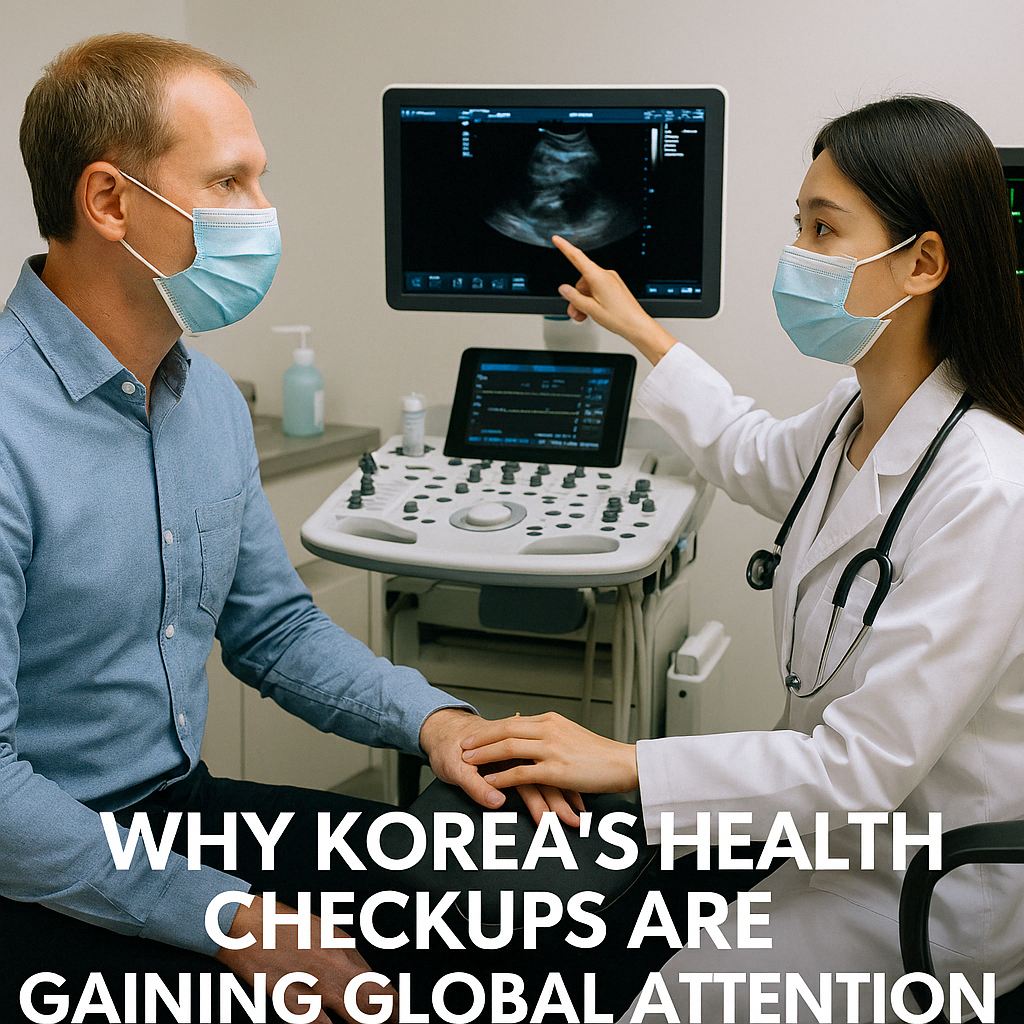
Why Korea’s Health Checkups Are Gaining Global Attention

Healthcare services in Korea for foreigners, tips for hospital visits

In recent years, Korea’s health checkup system has drawn global praise for its speed, precision, and affordability. Whether you’re a resident or a medical traveler, understanding why Korea’s preventive healthcare is so highly regarded can help you make smart choices about your health.


1. Speed and Efficiency

Korea offers same-day or one-day full checkup programs that include:

  • Blood tests
  • X-rays
  • Ultrasound
  • EKGs
  • Cancer screenings
  • Vision, hearing, and digestive system tests

Most results are available within a few hours to 2 days.

Compared to countries like the U.S., where multiple appointments and delays are common, Korea provides a streamlined, all-in-one experience.


2. Affordable, High-Value Packages

In Korea, you can access premium checkup packages at a fraction of the cost found in Western countries.

Example:

  • Full-body checkup in Korea: $200–$600 USD
  • Similar package in the U.S.: $2,000+ USD

Even more advanced programs (e.g., brain MRI, CT scans) are offered at accessible prices for foreigners.


3. Advanced Medical Technology

Korean hospitals use world-class imaging and diagnostic systems, often newer than those found in major Western facilities.
Private hospitals that offer checkups to foreigners tend to invest heavily in latest-generation tech and digital recordkeeping.

Most tests are done in the same facility, sometimes in the same room.


4. Foreigner-Friendly Services

Many hospitals offer:

  • English-speaking coordinators and doctors
  • English reports
  • Online reservation platforms with English interfaces

Some centers even have designated international patient departments that specialize in guiding foreigners through every step.


5. Medical Tourism and Health Travel

Korea’s health checkup infrastructure has become a draw for medical tourists, especially from the U.S., Middle East, and Southeast Asia.
Many travelers combine routine checkups with beauty or dental treatments.

Health + wellness travel is now a growing trend, and Korea is leading the way in Asia.


Final Thoughts

Korea’s health checkup system is not just efficient—it’s globally competitive.
If you’re living in Korea or planning a medical trip, taking advantage of these world-class services can help you detect issues early, save money, and protect your long-term well-being.

Why Many Foreigners in Korea Visit Pharmacies Before Hospitals

Healthcare services in Korea for foreigners, tips for hospital visits

In Korea, it’s common for both locals and foreigners to visit a pharmacy first when feeling unwell—especially for minor symptoms. But why do so many people choose a pharmacy over a hospital? This guide explains the reasons and what you need to know as a foreigner.


1. Fast, Accessible, and No Appointment Needed

Korean pharmacies are located everywhere, often just steps away from subway stations or residential areas.
They’re open long hours, and no appointment or ID is required.

Many minor issues—like colds, stomachaches, mild fevers—can be addressed with over-the-counter (OTC) medication and pharmacist advice.


2. Pharmacists Can Recommend and Dispense Medications Directly

Korean pharmacists are trained to recommend suitable medications based on your symptoms.
Unlike in many Western countries, pharmacists here often play a frontline role in basic health management.

They may:

  • Ask you questions about your symptoms
  • Recommend medication for immediate relief
  • Refer you to a clinic or hospital if needed

In many cases, a pharmacist can resolve the issue on the spot.


3. It’s Cheaper Than Going to the Hospital

If you don’t have health insurance in Korea, hospital costs can add up quickly.
Pharmacies offer an affordable alternative.

For example:

  • Visiting a doctor for a cold without insurance: 30,000–50,000 KRW
  • Visiting a pharmacy and buying cold medicine: 5,000–10,000 KRW

4. When Should You NOT Rely on a Pharmacy?

Pharmacies are not a substitute for professional medical care in serious cases.

Seek a hospital or clinic if you experience:

  • High fever that lasts more than 2 days
  • Severe pain
  • Breathing difficulty
  • Injury or trauma
  • Suspected COVID-19 or infectious diseases

5. Tips for Foreigners Using Korean Pharmacies

  • Look for the 약국 (yak-guk) sign — it means pharmacy
  • If you don’t speak Korean, use Google Translate or a phrase card
  • Some pharmacies near expat neighborhoods (Itaewon, Gangnam, Busan Haeundae) may have English-speaking staff
  • Show symptoms written in Korean if possible

Final Thoughts

Korean pharmacies are fast, affordable, and incredibly useful for minor illnesses.
While they’re not a replacement for professional care in all situations,
they serve as a first line of defense—especially for foreigners who want quick relief without the hassle of a hospital visit.

Do Foreigners Need Health Insurance in Korea? Here’s What You Must Know

Healthcare services in Korea for foreigners, tips for hospital visits

Healthcare in Korea is known for its quality and speed, but without insurance, it can also be costly—especially for foreigners. Whether you’re a long-term resident or a short-term visitor, understanding Korea’s health insurance system is essential. Here’s what you need to know.


1. Can Foreigners Get National Health Insurance in Korea?

Yes. Foreigners who are:

  • Registered with the immigration office (with an ARC)
  • Staying in Korea for more than 6 months
    → Are eligible (and usually required) to enroll in Korea’s National Health Insurance (NHI).

Enrollment is typically automatic for those with work visas or student visas, but individual sign-up is also possible at the NHIS (National Health Insurance Service) office.

Tip: ARC and a Korean address are required to register.


2. What Does Korean Health Insurance Cover?

National Health Insurance covers:

  • 70% of outpatient and inpatient medical costs
  • Most diagnostic tests, surgeries, and prescriptions
  • Some dental and physical therapy services

You’ll only need to pay about 30% of the total bill. Without insurance, you pay 100%—which adds up quickly.


3. What If I Don’t Have Insurance?

If you’re uninsured:

  • A routine checkup that costs 10,000 KRW with insurance may cost 30,000–40,000 KRW without it
  • Advanced tests (e.g., MRI) can exceed 1 million KRW out of pocket

For short-term travelers, private travel insurance or international health coverage is recommended.


4. Are There Alternatives for Short-Term Visitors?

Yes. If you’re staying less than 6 months:

  • Use travel insurance from your home country
  • Consider credit card travel insurance (some premium cards offer automatic health coverage abroad)
  • Private Korean plans for foreigners exist but are limited

Tip: Always carry a printed or digital copy of your insurance policy.


5. How to Enroll in NHI as a Foreigner

  • Visit your local NHIS office (with ARC, passport, rental contract)
  • Fill out the application
  • Pay the monthly premium (~100,000–130,000 KRW depending on age & status)
  • Coverage begins immediately or within a few days

Some employers handle this for you. If not, you are expected to register yourself.


Final Thoughts

Health insurance in Korea is not just recommended—it’s often required.
Whether you’re here to work, study, or explore, understanding and enrolling in the proper plan will save you money, reduce stress, and ensure access to top-quality medical care.

How to Find English-Speaking Hospitals and Medical Interpreters in Korea

Healthcare services in Korea for foreigners, tips for hospital visits

Navigating healthcare in a foreign country can be challenging—especially when you don’t speak the language. Fortunately, Korea offers various ways for foreigners to access medical care in English. This guide will help you locate English-speaking hospitals and access interpretation services with confidence.


1. English-Speaking Hospitals in Korea

Major hospitals in Korea often have international clinics with English-speaking doctors, nurses, or coordinators. These clinics cater to expats, travelers, and foreign patients.

Recommended hospitals with English-speaking staff:

  • Severance Hospital (Sinchon, Seoul) – International Health Care Center
  • Asan Medical Center (Seoul) – Global Healthcare Center
  • Samsung Medical Center (Seoul) – Foreign Patient Center
  • Seoul National University Hospital (SNUH) – International Healthcare Center

Most of these hospitals have dedicated English websites with appointment information and email contact.


2. Finding Smaller Clinics That Speak English

While large hospitals offer structured international services, you may need a local clinic for basic needs (e.g., cold, dermatology, dental).

Tips to find English-speaking clinics:

  • Use Google Maps with keywords like: “English-speaking clinic near me”
  • Search on expat forums (e.g., Reddit, Facebook groups: “Every Expat in Korea”)
  • Apps like AirDoc, Seoul Global Center, or Korea4Expats sometimes list user-reviewed clinics

You can also ask hotel front desks or coworking spaces—they often have trusted clinic info for foreigners.


3. Accessing Medical Interpretation Services

If you visit a hospital or clinic without English staff, you can still request interpretation support.

Options include:

  • Korea Medical Interpretation Services: 24/7 free telephone-based service provided by the government
  • Seoul Global Center Medical Help Line: Offers phone and on-site interpreter services
  • Hospital internal interpretation: Some clinics provide volunteer or staff interpreters for major languages

Interpretation is most accessible in Seoul, Busan, and major cities, but some regional hospitals offer it on request.


4. Bonus Tools to Bridge the Language Gap

  • Papago or Google Translate: Install with offline mode just in case
  • Pre-printed Korean phrases for symptoms: “I have a fever.” “I have allergies.”
  • Medical translator apps like Medibabble (iOS)

Final Thoughts

Don’t let language barriers keep you from getting the care you need.
Korea’s medical system is increasingly accommodating to foreign patients, especially in urban centers.
With the right resources, finding English-speaking hospitals and interpreters is not only possible—it’s easier than you think.

Things Foreigners Must Prepare Before Visiting a Hospital in Korea

Healthcare services in Korea for foreigners, tips for hospital visits

Korean hospitals are known for their speed and efficiency. But for foreigners, especially first-time visitors, a smooth experience depends on being prepared. Here’s what you absolutely need to bring—and why each one matters.

1. Valid ID – Passport or Alien Registration Card (ARC)

Hospitals require proof of identity for registration.

  • Short-term visitors must show their passport.
  • Long-term residents (90+ days) are expected to present their ARC.
    Without these, registration may be denied or delayed.

Why it matters: Your ID links your medical history, insurance, and billing. Without it, staff won’t be able to process your visit properly.

2. Korean Contact Info – Phone Number and Address

Even for walk-in patients, hospitals usually request:

  • A Korean mobile number (for follow-ups, test results, and prescription notifications)
  • A local address (for documentation or delivery of medication)

If you don’t have a personal number, prepare the contact of a local guardian, company, or accommodation.

Tip: Prepaid SIM cards with Korean numbers are cheap and can be purchased at airports or convenience stores.

3. Health Insurance – National or Private

If you’re enrolled in Korea’s National Health Insurance, bring proof of enrollment or your ARC (which links to your insurance).
If you’re covered under a private international policy, carry a digital or physical copy of your plan.

Without insurance, you’ll pay the full cost upfront. Some treatments can cost 2-3x more for uninsured patients.

Bonus: Helpful Add-ons

  • Medical records: Especially for chronic illness or ongoing treatment
  • Current medications list: Korean doctors need to know what you’re already taking
  • Translation app or paper with key terms in Korean: Can bridge unexpected language gaps

Preparation is key.
By bringing the right documents and knowing what to expect, you make your Korean healthcare experience faster, smoother, and less stressful.

How to Make a Hospital Appointment in Korea as a Foreigner

Healthcare services in Korea for foreigners, tips for hospital visits

Korea is known for its highly efficient healthcare system, and that includes a remarkably fast and organized hospital appointment process—even for foreigners. If you’re new to the country or planning a medical visit, this guide will help you navigate the booking system with ease.

1. Can foreigners book hospital appointments?

Yes. Most hospitals in Korea allow foreigners to book appointments either online or by phone. Some large hospitals even have dedicated international clinics or interpretation services.

2. What are the main ways to book?

  • Phone call: Many hospitals have English-speaking staff.
  • Hospital website: Major hospitals often offer online reservations.
  • KakaoTalk or hospital-specific apps: Common for dermatology, dental, and check-ups.
  • Walk-in: Smaller clinics accept same-day walk-ins, but expect some wait time.

3. Do I need to speak Korean?

Not necessarily. Major hospitals (Severance, Asan, Samsung Medical Center) provide interpretation services or English-speaking staff. Still, having basic phrases or a translator app helps.

4. Any documents required?

  • Passport or ARC (Alien Registration Card)
  • Contact number and address
  • Optional: proof of insurance (if applicable)

5. Tips for a smooth experience

  • Arrive early to fill out paperwork.
  • Bring previous medical records if available.
  • Ask for follow-up appointment scheduling before leaving.

Hospital appointments in Korea are generally fast, reliable, and foreigner-friendly. The key is knowing where and how to book—now you do.