The Ultimate Global Finance Toolkit – Part 1

foreign currency exchange inkorea focusing on US dollars for travelers

Best Global Bank Accounts for Expats

A comprehensive 2025 guide for managing money across borders

Introduction

Managing money as an expat is no longer just about having a local bank account. Whether you’re relocating for work, studying abroad, or living as a digital nomad, choosing the right global-friendly bank account can save you thousands in fees, currency conversions, and limited access.

In 2025, international banking has evolved — and so must your strategy. This guide explores the best global bank accounts that make your finances borderless, secure, and fee-efficient.


1. What Makes a Bank Account “Global”?

A truly global bank account isn’t just available in your home country. It should:

  • Allow international access to your money anytime, anywhere
  • Offer multi-currency support or zero conversion fees
  • Include low or reimbursed ATM withdrawal fees
  • Support online management with strong security
  • Provide fast international wire capabilities

Most importantly, it should be expat-friendly, meaning open to non-residents, with minimal paperwork and strong customer service in English.


2. Best Global Bank Accounts in 2025

🇺🇸 Charles Schwab High Yield Investor Checking (USA)

  • Zero ATM fees worldwide (fully reimbursed)
  • No monthly maintenance fees or minimums
  • Excellent for U.S. citizens living abroad
  • Can be linked to a Schwab brokerage account

Downside: Requires U.S. social security number to open


🇬🇧 Wise (formerly TransferWise) Multi-Currency Account

  • Hold and convert over 50 currencies
  • Real exchange rates with minimal fees
  • Receive bank details in UK, EU, US, AUS, etc.
  • Great for freelancers, nomads, and frequent travelers

Downside: Not a full “bank,” so limited lending and interest options


🇦🇺 HSBC Global Money Account

  • Available in over 30 countries
  • Seamless transfers between HSBC accounts globally
  • Multi-currency wallets and real-time currency exchange
  • English-speaking customer support worldwide

Downside: Higher requirements and paperwork depending on country


🇩🇪 N26 Standard Account (EU)

  • Fully online bank based in Germany
  • Free ATM withdrawals in Eurozone
  • Multi-currency use with Wise integration
  • Strong mobile interface and expense tracking

Downside: Available only in EU and EEA countries


Citi Global Executive Account

  • Full-service international banking
  • Priority support, multi-currency, global branches
  • Suited for high-income earners and executives

Downside: High minimum balance and fees


3. What to Consider Before Choosing

  • Residency Requirements: Some banks only allow local residents or citizens
  • Currency Needs: Choose banks with your key currencies (USD, EUR, KRW, etc.)
  • ATM Network Access: Can you withdraw without huge fees?
  • Mobile Banking: Ensure secure app functionality with 2FA
  • Transfer Limits and Fees: How easy is it to move your money?

4. Bonus: Combine Accounts for Flexibility

No single account is perfect. Many expats and digital nomads use a combination like:

  • Wise (multi-currency transfers) +
  • Charles Schwab (ATM access) +
  • HSBC or Citi (for high-volume or salary accounts)

This setup gives you the flexibility to hold, convert, withdraw, and move money without being tied to one bank or country.


Final Thoughts

Your global bank account is your financial passport. In 2025, choosing the right one can save you more than just fees — it can protect your mobility, flexibility, and peace of mind abroad.

Don’t settle for whatever’s local. Build a system that works globally, like you do.
How to Build a Fee-Free Global Wallet in 2025

The ultimate setup to manage, send, and spend money anywhere — without paying a dime in fees.

Welcome to the final piece of the puzzle.

You’ve avoided card fees.
You’ve escaped ATM traps.
You’ve bypassed hidden banking charges.
Now, it’s time to bring it all together — and build your fee-free global wallet for 2025.

Here’s how smart travelers, expats, and digital nomads are managing money across countries without losing dollars to banks.


1. What Is a Global Wallet — and Why You Need One

A global wallet isn’t a product — it’s a system.
It’s a carefully chosen set of tools that allows you to:

  • Spend locally anywhere in the world
  • Hold and convert multiple currencies
  • Withdraw cash with no ATM fees
  • Transfer money instantly, without heavy wire charges
  • Track and protect your finances while abroad

You don’t need one app.
You need the right combination.


2. Core Elements of a Fee-Free Global Wallet

Here’s what the best setups include:

Multi-Currency Account

  • Use Wise or Revolut to hold 10+ currencies
  • Instantly convert at real exchange rates
  • Receive bank details (IBAN, routing numbers) in multiple countries

Fee-Free ATM Access

  • Pair with a bank that reimburses international ATM fees (e.g., Charles Schwab, SoFi)
  • Or withdraw using Wise/Revolut at supported locations

Zero-Fee Spending Card

  • Use cards with no foreign transaction fees
  • Visa or Mastercard is preferred for wide acceptance

Mobile Banking App

  • Ensure it has real-time transaction alerts
  • Security lock features + biometric login
  • 24/7 customer support via chat

Digital Security Layer

  • Use virtual cards for online purchases
  • Enable two-factor authentication everywhere
  • Avoid accessing accounts on public Wi-Fi without a VPN

3. The Perfect 2025 Setup — A Real Example

Here’s how you could build your own:

FunctionTool
Multi-currency walletWise (real FX rate, global IBAN)
Spending cardCapital One Quicksilver / SoFi
ATM accessCharles Schwab Debit
Expense trackingYNAB / Revolut analytics
Security layerPrivacy.com virtual cards + VPN

Total monthly fees? $0.
That’s a true global wallet.


4. Things to Avoid

Even in 2025, many banks still:

  • Charge currency conversion markups
  • Force USD-only cards abroad
  • Offer low ATM withdrawal limits
  • Have limited international support

Avoid traditional banks unless they have a proven international model.


5. Final Rule: You’re the Bank Now

In a fee-free global wallet, you control the currency, location, and timing.
No more unnecessary intermediaries.
No more giving away money in silence.

Super Dollar Rule #5:
Build once. Travel forever. Pay nothing.

The Myth of Travel Credit Cards: What Actually Saves You Money

International credit cards accepted in korea for easy payments by tourists

A brutally honest guide for travelers chasing points, perks, and real savings.

Travel credit cards are everywhere — flashy commercials, YouTube ads, influencers flaunting luxury lounges and five-star upgrades. The narrative is strong: “Get this travel card and your international life will change.”

But here’s the truth: Most travel credit cards don’t save you money. They encourage spending, charge hidden fees, and trap you in point systems that benefit banks more than you.

Let’s break it down and find out what really works in 2025.


1. The Travel Card Trap: Luxury over Logic

Yes, travel cards offer perks — airport lounge access, hotel upgrades, airline miles — but they often come with:

  • Annual fees up to $695 (yes, looking at you, Amex Platinum)
  • Foreign transaction fees (yes, some still have them!)
  • High interest rates if you don’t pay in full
  • Point systems that devalue over time or restrict redemptions

In reality, unless you’re traveling constantly and spending thousands monthly, you’re paying more than you’re saving.


2. Points vs. Cash: What’s More Valuable?

Let’s do a quick test: Would you rather get:

  • 2x points for dining abroad (worth maybe 1 cent per point), or
  • A 1.5% unlimited cash back with no foreign fees?

When used smartly, cash-back cards often give more flexible and real-world value than airline points or hotel credits.

Also, don’t forget:

  • Many travel points expire.
  • Redemption windows are limited.
  • Blackout dates and partner restrictions can ruin plans.

3. The Real Cost of Earning Miles

Earning points sounds great until you realize you’re:

  • Booking more expensive flights just to stick with one airline.
  • Using specific hotel chains instead of better deals elsewhere.
  • Spending more than necessary to hit sign-up bonus thresholds.

This isn’t saving. It’s being trained to spend more — in return for… what?
A “free” flight that cost you $4,000 in spending?


4. What Actually Saves You Money in 2025

Here’s what smart travelers are using now:

  • No-annual-fee credit cards with real cash rewards
    → e.g., Citi Double Cash, Fidelity Rewards
  • Fintech tools like Wise, Revolut
    → Offer real exchange rates, low fees, and global usability
  • Local bank accounts abroad (multi-currency accounts)
    → Avoid double conversions, withdrawal fees, and waiting
  • Smart budgeting apps
    → Know where your money leaks while abroad

And most of all: Using fewer cards, more intentionally.


5. Red Flags to Avoid

Avoid cards that:

  • Lock you into partner programs (e.g., airline-only redemptions)
  • Require high minimum spends ($4,000+ in 3 months)
  • Offer “exclusive perks” you’ll never use (think golf memberships)
  • Have complicated tier systems or rotating bonus categories

Final Truth: Travel Cards Are Not Evil — They’re Just Oversold

Travel credit cards can have value — but only if you use them like a tool, not a lifestyle.
In 2025, being strategic, fee-free, and globally smart beats having a metal card and a lounge selfie.

Rule #4: If your card is making you spend more just to “earn,” it’s not saving you — it’s selling you.

Hidden Bank Fees You’re Still Paying — and How to Escape Them

International credit cards accepted in korea for easy payments by tourists

A must-read guide for international travelers and digital nomads in 2025

When you think you’re done with fees — no foreign transaction fees, no annual card fees — banks still have a few tricks up their sleeves. Hidden bank fees can sneak up on you when you least expect it, especially if you’re living abroad, traveling long-term, or managing multiple currencies.

Let’s uncover these silent profit machines and show you how to escape them for good.


1. ATM Withdrawal Fees: The Invisible Tax

You withdraw $200 from an ATM overseas and later realize your bank charged you $5, the ATM charged you another $3, and the exchange rate was 2% worse than what Google showed. Sound familiar?

Banks and third-party ATMs often charge:

  • Flat ATM usage fees ($2–$5 per withdrawal)
  • Percentage-based foreign ATM fees (1–3%)
  • Currency conversion markups hidden in poor exchange rates

How to avoid:

  • Use banks that reimburse ATM fees, like Charles Schwab or SoFi.
  • Withdraw larger amounts less frequently to reduce fee hits.
  • Use partner ATMs abroad that your bank supports.
  • Avoid Dynamic Currency Conversion (DCC) — always choose to be charged in local currency.

2. Dormant Account Fees: Punished for Forgetting

Some banks charge a “dormancy fee” if you don’t use your account for 6–12 months. If you’re traveling and forget about an old savings or checking account, you could be paying $10–$20 annually — for doing nothing.

Escape strategy:

  • Set up small recurring transactions (e.g., $1 auto-transfer monthly)
  • Close unused accounts if no longer needed
  • Monitor accounts with a free app like Mint or YNAB

3. Wire Transfer Fees: Digital Highway Robbery

Sending or receiving international wire transfers? You might be paying $15–$50 per transfer — sometimes more.

Even worse, intermediary banks (the ones in the middle of the transaction) can take their own cut without warning.

Better alternatives:

  • Use Wise (formerly TransferWise) or Revolut for better rates and lower fees
  • For U.S. bank-to-bank transfers, Zelle or ACH transfers are often free
  • Always ask for full fee disclosure before initiating a wire

4. Minimum Balance Fees: Trapped by Your Own Money

Many traditional banks require you to keep a minimum daily balance or get hit with a $10–$25 monthly fee. If you’re overseas and not monitoring it closely, you might dip below and get penalized.

Avoid it by:

  • Switching to online banks with no minimum balance, like Ally or Chime
  • Setting balance alerts on your banking app
  • Keeping emergency funds in fee-free savings accounts

5. Currency Conversion Traps: Not All FX Rates Are Equal

You might think your bank is giving you a “market rate,” but most banks bake in a hidden fee by offering a worse exchange rate. That 2–4% markup is effectively a secret tax.

What to do:

  • Check rates using xe.com or Google
  • Use cards and platforms with real-time exchange rates, like Wise or Revolut
  • Avoid converting cash at airports or tourist spots — rates are often terrible

Final Thought: Fees Don’t Disappear — They Just Hide Better

The global financial system is built to profit from inattention. Hidden fees are everywhere, but awareness is your first line of defense.

2025 Rule: If you’re still paying hidden bank fees, you’re handing over money for nothing.
Start optimizing your accounts, tools, and habits — and keep your dollars where they belong: with you.

Part 2: Smart Cards Only – The Best Travel-Friendly Cards with Zero Fees

International credit cards accepted in korea for easy payments by tourists

From the “2025 Zero-Fee Global Spending Strategy” Series

You Don’t Need a Premium Card to Avoid Fees — You Just Need the Right One

The world of travel cards is filled with noise.
Fancy reward programs, airline miles, flashy metal designs… but what actually saves you money when you’re abroad?

Answer: cards with zero fees.

In this guide, we’ll break down the best travel-friendly debit and credit cards in 2025 that don’t eat your money with every swipe or ATM withdrawal.


1. Wise Multi-Currency Debit Card

  • Accepted in over 160 countries
  • Converts money at the real mid-market exchange rate
  • Allows free ATM withdrawals up to $100/month (then small fee)
  • App control for freezing/unfreezing, tracking in real time

Best For:

  • Budget-conscious travelers
  • Freelancers receiving payments in multiple currencies
  • Long-term digital nomads

2. Charles Schwab Investor Checking (U.S. only)

  • Reimburses all ATM fees worldwide
  • No foreign transaction fees at all
  • Includes linked brokerage account (but not required to use)

Best For:

  • U.S.-based travelers who want zero-fee cash access
  • People who frequently use ATMs abroad

3. Revolut

  • Real-time currency conversion with low spreads
  • Spend in 30+ currencies directly from app
  • Free plan + premium plans available (some limits apply)
  • Limits on fee-free exchange: usually $1,000/month

Best For:

  • Digital natives who want full app control
  • Those comfortable with fintech apps and flexible usage

4. Capital One Venture X (Credit Card)

  • No foreign transaction fees
  • Comes with lounge access, trip protection, and miles
  • Great for frequent travelers who value perks + savings

Best For:

  • U.S.-based travelers who want both rewards + savings
  • People spending large amounts abroad

5. SoFi Checking and Savings (U.S. only)

  • No account fees, no minimum balance
  • Up to 15x ATM reimbursements monthly
  • Offers high APY on savings as well

Best For:

  • U.S. users who prefer an all-in-one fintech solution
  • Travelers wanting a fee-free debit card option

6. Monzo (UK-based)

  • One of the most user-friendly international cards
  • No fees on spending abroad
  • Small ATM withdrawal limits apply if used excessively

Best For:

  • UK or EU-based travelers
  • People traveling within Europe or SE Asia

Quick Comparison Table:

CardATM FeeFX FeeTypeRegion
WiseFree up to $100/moNoDebitGlobal
SchwabReimbursedNoDebitUSA
RevolutLimitedLowDebitGlobal
Venture XNoneNoCreditUSA
SoFiReimbursedNoDebitUSA
MonzoSome limitsNoDebitUK/EU

Practical Tips for Use

  • Always notify your card provider before traveling
  • Enable 2FA + push notifications for real-time tracking
  • Avoid DCC by choosing local currency
  • Set low daily withdrawal limits for safety

Pro Tip: Mix Cards Strategically

Carry at least two cards:

  • One debit card for ATM withdrawals
  • One credit card with rewards + protection

This protects you from theft, blocked cards, or network issues abroad.


Coming Up Next

Part 3: DCC – The Scam That Tricks Millions of Travelers
→ What happens when you press “USD” at the restaurant terminal?
→ Why it can cost you 8% more — and how to stop it.


Use the right tools, not just any card. Let your wallet go global — without bleeding fees.

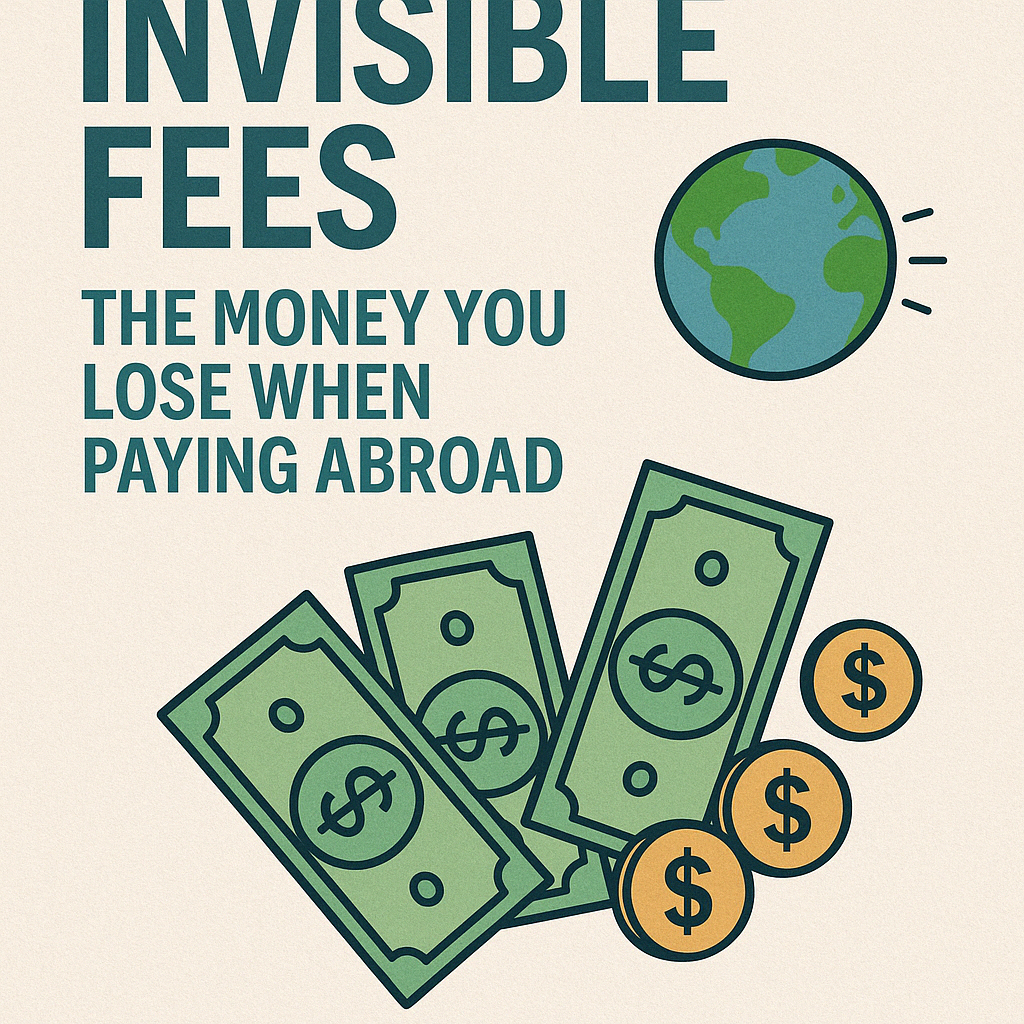
《The Invisible Fee: How You’re Losing Money Every Time You Pay Abroad》

Traveling abroad for health and wellness exploring cultural and medial services

You’re Losing Money Every Time You Swipe — But You Don’t Know It Yet

Here’s a harsh truth:
Every time you pay with your card abroad, you’re probably losing money.
Not because of scams. Not because you’re careless.
But because of something more invisible — hidden fees.

These fees don’t show up clearly on your receipt.
They’re quietly embedded into currency conversions, foreign transaction fees, and manipulated exchange rates.

And they add up fast.


What Are You Actually Paying For?

Let’s break down where your money is really going:

  • Foreign Transaction Fees:
    Usually 1–3% per purchase. Charged by your card issuer (e.g., Chase, Bank of America, Capital One).
  • Currency Conversion Spread:
    You don’t get the real mid-market rate.
    You get a marked-up rate that can cost you an additional 2–4%.
  • DCC (Dynamic Currency Conversion):
    That friendly “Would you like to pay in USD?” message?
    It often comes with a 5–8% hidden fee built in.
  • ATM Fees:
    Many foreign ATMs charge $5–10 per withdrawal — plus your bank might add more.

Real Example: How $2,000 Turns into $1,846

Let’s say you take a 2-week trip to Korea and spend $2,000:

  • Foreign transaction fees (2.5%) = $50
  • Currency conversion spread (3%) = $60
  • Two DCC transactions (6%) = $72
  • One ATM withdrawal = $12

Total loss = $194
That’s nearly 10% of your spending gone — and you didn’t even notice.


The Most Common Mistakes Travelers Make

  1. Paying in USD instead of local currency
    → DCC is designed to feel convenient, but it’s a fee trap.
  2. Using the wrong credit/debit cards
    → Not all “travel cards” are truly fee-free.
  3. Ignoring exchange rates
    → Most people don’t realize their bank is silently profiting.
  4. Assuming PayPal is always cheaper
    → In reality, PayPal adds a 3–4% fee for currency conversion.

Why This Isn’t Just a Travel Problem

These fees aren’t just for tourists.
They affect:

  • Digital nomads: who work while traveling
  • Remote freelancers: receiving or sending international payments
  • International students: paying tuition, housing, or food abroad
  • Everyday people: booking flights, shopping from overseas, or using foreign apps

Even small expenses — $5 here, $10 there — bleed out over months.


What Makes This Worse: The Fees Are Invisible

You never get a clear breakdown.
No receipt says “We just charged you an extra 6%.”

That’s why so many people never realize how much they’re losing.
They blame “travel costs” — when in fact, it’s bad financial tools draining them silently.


So What’s the Solution?

That’s what this 5-part series is about.

We’ll cover:

  • The best debit/credit cards with zero fees
  • How to avoid DCC traps
  • Which apps work internationally (and which don’t)
  • How to withdraw cash abroad without fee nightmares
  • Real strategies to keep every dollar working for you

Coming Up Next

Part 2: Smart Cards Only – The Best Travel-Friendly Cards with Zero Fees
→ Featuring Wise, Revolut, Charles Schwab, and more.
→ Real experiences. Real savings. Zero BS.


Your money should work hard for you — not disappear with every swipe abroad.

Smart Money & Cost-saving Series – Part 2

Explore korean culture and tourist attractions with and wellness tips

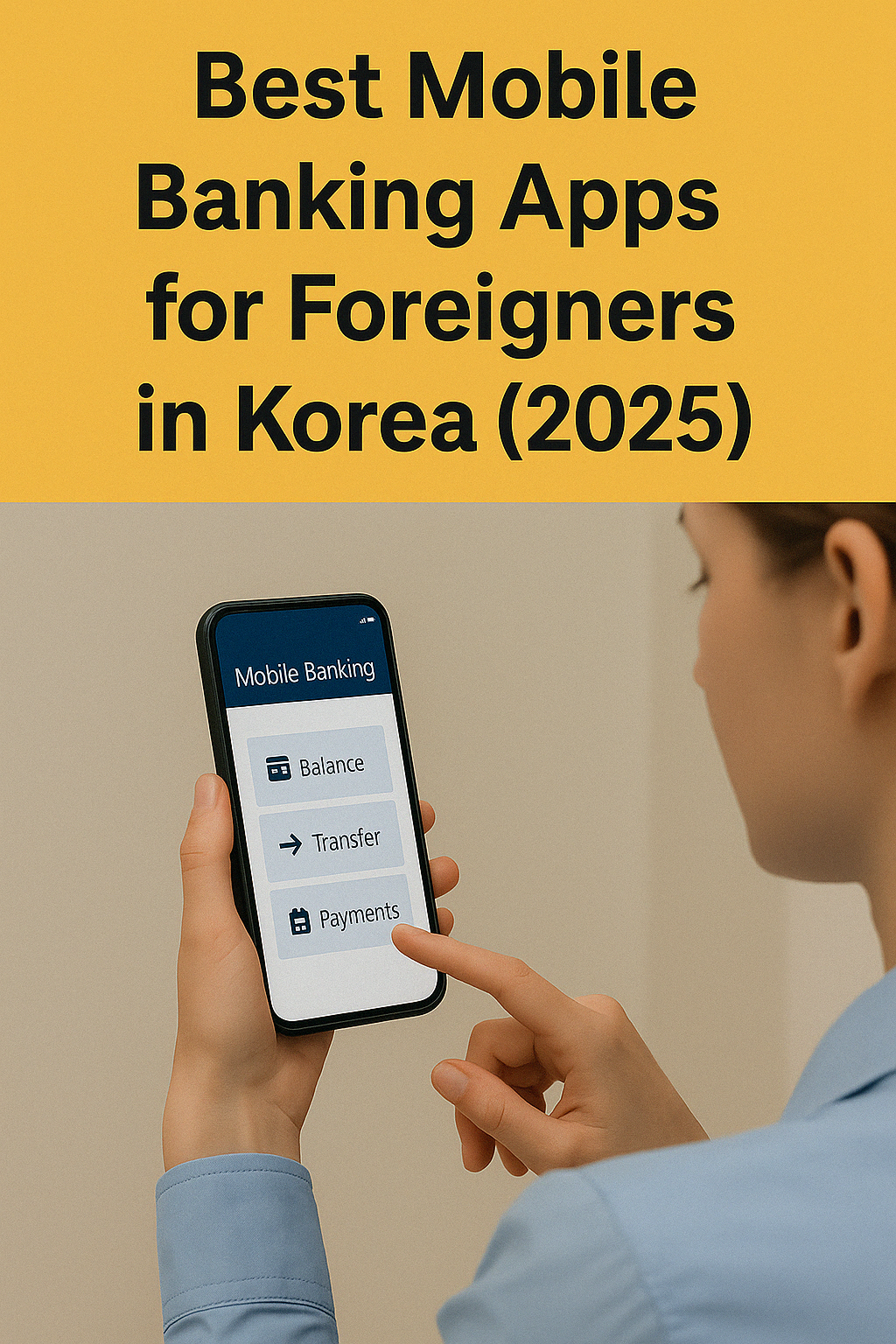
Best Mobile Banking Apps for Foreigners in Korea (2025)

1. Why Mobile Banking is Crucial for Foreigners in Korea

Many foreigners in Korea find in-person banking difficult due to:

  • Language barriers
  • Limited foreigner services
  • Inconvenient business hours

Mobile banking apps offer 24/7 access to your account,
but not all are designed with foreigners in mind.


2. Key Features to Look For

Before downloading a banking app, check for:

  • English or multilingual support
  • Sign-up with ARC or passport
  • Real-time transfers & balance checks
  • Low or no fees for domestic transfers
  • International remittance support

3. Top 3 Mobile Banking Apps for Foreigners (2025)

1) Shinhan SOL (신한 쏠)

  • English interface
  • Sign-up with ARC + Korean number
  • Reliable, supports international transfers
  • Live English chat support on weekdays

2) KB Star Banking (국민은행)

  • Basic English interface
  • Good for existing KB customers
  • Limited functions in English
  • Best for users who opened their account in person

3) Toss Bank (토스뱅크)

  • Fully digital, intuitive UI
  • Minimal English support (but growing)
  • Great for budgeting, free ATM withdrawals
  • Recommended for tech-savvy users with basic Korean

4. Common Problems Foreigners Face

  • Apps and messages in Korean only
  • Phone number not matching ARC name
  • Authentication failures
  • App crashes or verification issues

5. Goldnuri’s Tips

  • Register phone number under your own ARC
  • Turn on biometric login (face/fingerprint)
  • Use Papago to translate error messages
  • Visit a branch to get help with app setup if needed

Summary

In 2025, Shinhan SOL remains the most balanced app for foreigners,
while Toss Bank is ideal for digital-native users.
Start with a bank that supports foreigner registration—then build your mobile banking experience with confidence.

Smart Money & Cost-saving Series – Part 4

Explore korean culture and tourist attractions with and wellness tips

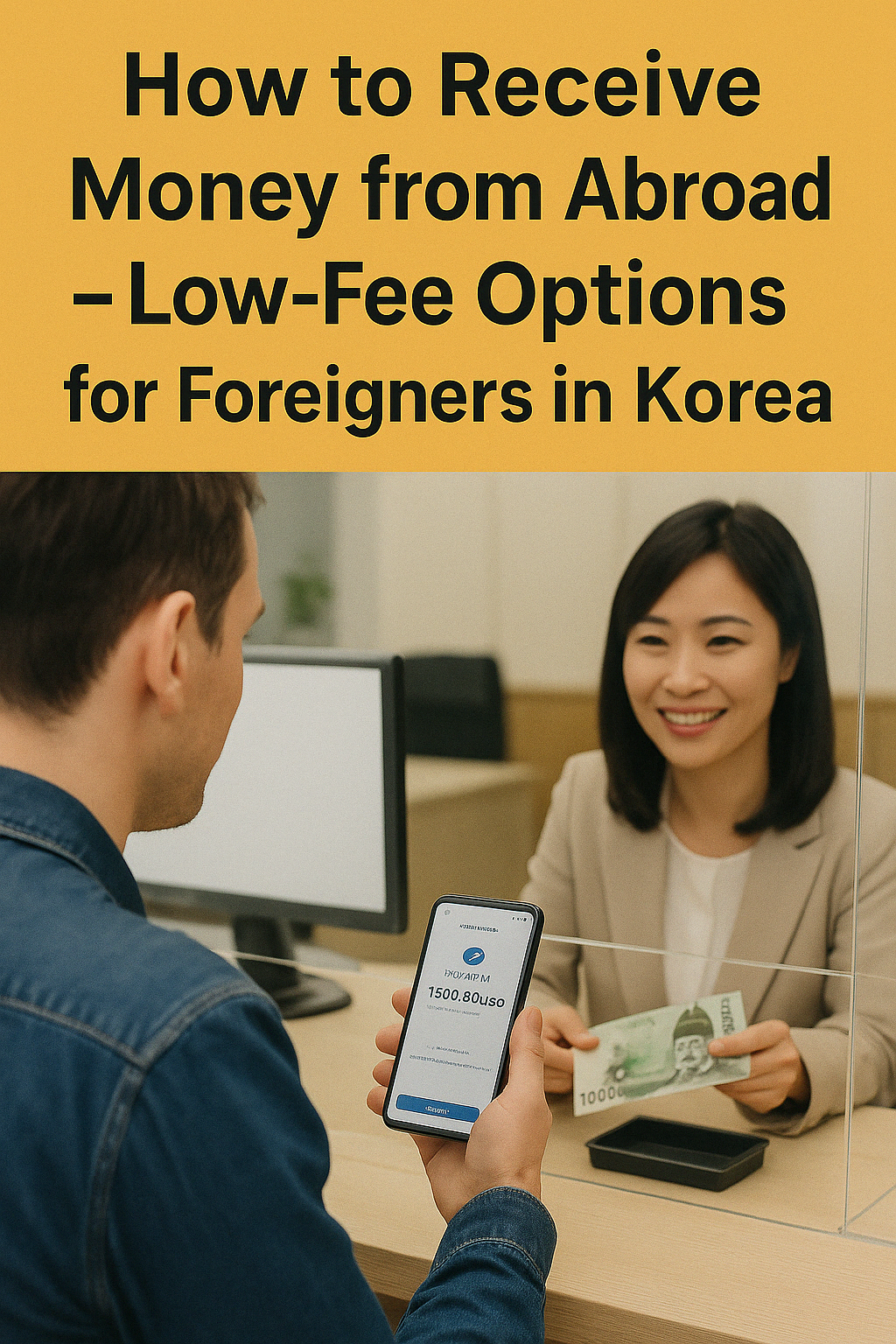
How to Receive Money from Abroad – Low-Fee Options for Foreigners in Korea

1. Why Receiving Money Internationally Isn’t Always Easy

Foreigners living in Korea often need to receive money from abroad—for tuition, salary, or support from family.
But international transfers are often:

  • Expensive (unexpected bank charges)
  • Slow (3–5 business days)
  • Confusing (SWIFT codes, intermediary banks, etc.)

Knowing your options helps save money, time, and unnecessary frustration.


2. What You Need to Receive Money in Korea

Prepare the following:

  • Your Korean bank’s SWIFT/BIC code
  • Your account number and name as registered
  • Bank name and branch info in English
  • Alien Registration Card (ARC), if verification is required
  • Purpose of remittance (some banks ask)

3. Best Methods to Receive Money from Abroad (2025)

Option 1: Direct Bank-to-Bank Transfer (SWIFT)

  • Available at major banks (KB, Shinhan, Woori, Hana)
  • Takes 2–5 days
  • Fees: ₩10,000–₩30,000
  • Secure but costly and slower due to intermediary banks

Option 2: Wise (TransferWise)

  • Low fees, real exchange rate
  • Arrives in 1–2 days
  • Both sender and receiver need Wise account
  • Ideal for regular transfers or salary payments

Option 3: Western Union / MoneyGram

  • Pick up funds at post offices or partner banks
  • Near-instant delivery
  • High fees and poor exchange rates
  • Use only for emergencies or one-time needs

4. Common Mistakes That Delay Transfers

  • Wrong SWIFT code or bank account number
  • Nicknames instead of official name
  • Missing intermediary bank info (especially for USD)

Double-check all details before sending or requesting a transfer.


5. Goldnuri’s Advice

  • Use Wise for fast, affordable international transfers
  • Use SWIFT for official payments like tuition or company remittances
  • Avoid Western Union for large amounts—too expensive

Summary

Receiving money in Korea doesn’t have to be expensive or complicated.
In 2025, options like Wise and direct transfers give you more control and lower fees.
Stay informed and make smart choices to keep more of your money.