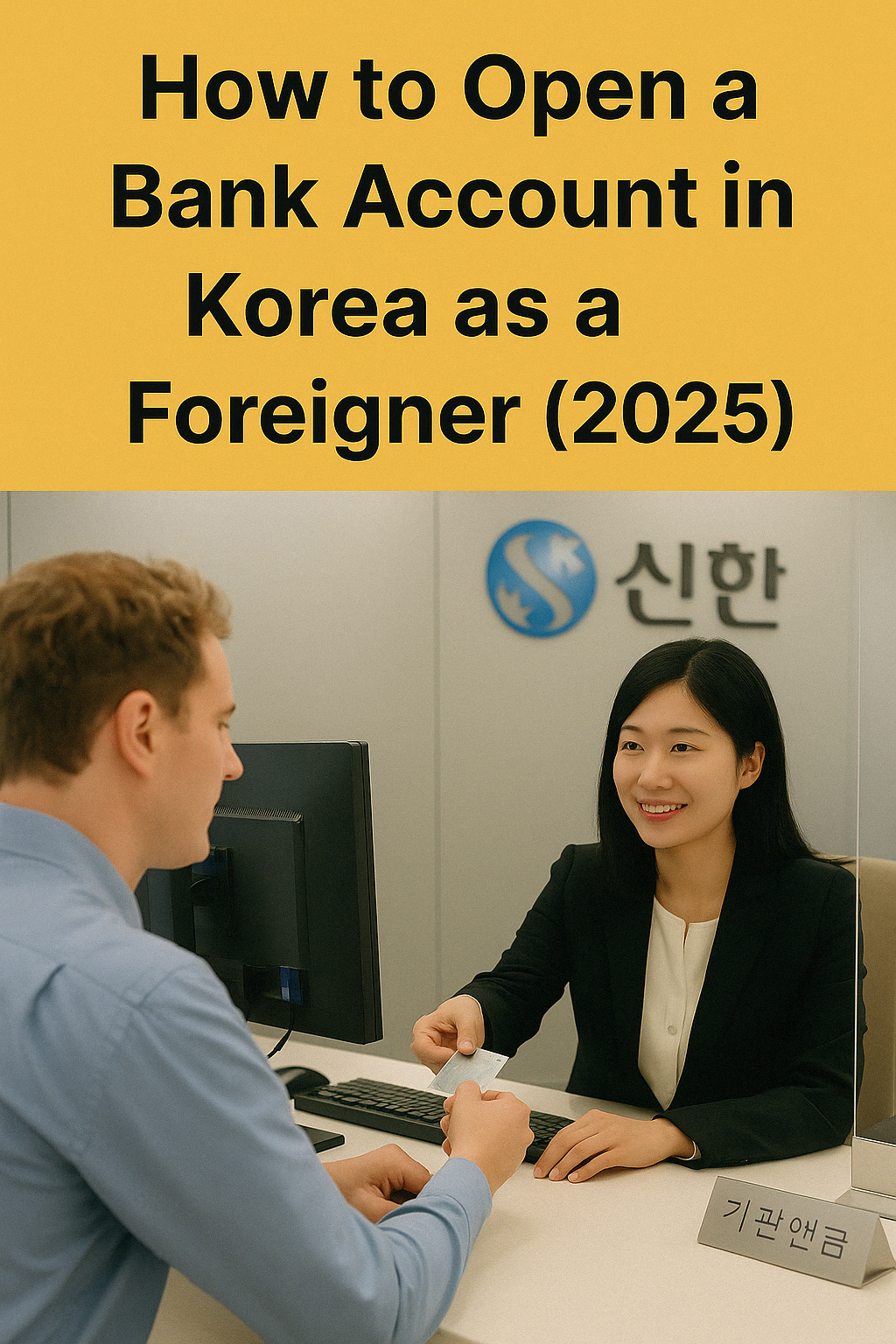
Part 2: Smart Cards Only – The Best Travel-Friendly Cards with Zero Fees

International credit cards accepted in korea for easy payments by tourists

From the “2025 Zero-Fee Global Spending Strategy” Series

You Don’t Need a Premium Card to Avoid Fees — You Just Need the Right One

The world of travel cards is filled with noise.
Fancy reward programs, airline miles, flashy metal designs… but what actually saves you money when you’re abroad?

Answer: cards with zero fees.

In this guide, we’ll break down the best travel-friendly debit and credit cards in 2025 that don’t eat your money with every swipe or ATM withdrawal.


1. Wise Multi-Currency Debit Card

  • Accepted in over 160 countries
  • Converts money at the real mid-market exchange rate
  • Allows free ATM withdrawals up to $100/month (then small fee)
  • App control for freezing/unfreezing, tracking in real time

Best For:

  • Budget-conscious travelers
  • Freelancers receiving payments in multiple currencies
  • Long-term digital nomads

2. Charles Schwab Investor Checking (U.S. only)

  • Reimburses all ATM fees worldwide
  • No foreign transaction fees at all
  • Includes linked brokerage account (but not required to use)

Best For:

  • U.S.-based travelers who want zero-fee cash access
  • People who frequently use ATMs abroad

3. Revolut

  • Real-time currency conversion with low spreads
  • Spend in 30+ currencies directly from app
  • Free plan + premium plans available (some limits apply)
  • Limits on fee-free exchange: usually $1,000/month

Best For:

  • Digital natives who want full app control
  • Those comfortable with fintech apps and flexible usage

4. Capital One Venture X (Credit Card)

  • No foreign transaction fees
  • Comes with lounge access, trip protection, and miles
  • Great for frequent travelers who value perks + savings

Best For:

  • U.S.-based travelers who want both rewards + savings
  • People spending large amounts abroad

5. SoFi Checking and Savings (U.S. only)

  • No account fees, no minimum balance
  • Up to 15x ATM reimbursements monthly
  • Offers high APY on savings as well

Best For:

  • U.S. users who prefer an all-in-one fintech solution
  • Travelers wanting a fee-free debit card option

6. Monzo (UK-based)

  • One of the most user-friendly international cards
  • No fees on spending abroad
  • Small ATM withdrawal limits apply if used excessively

Best For:

  • UK or EU-based travelers
  • People traveling within Europe or SE Asia

Quick Comparison Table:

CardATM FeeFX FeeTypeRegion
WiseFree up to $100/moNoDebitGlobal
SchwabReimbursedNoDebitUSA
RevolutLimitedLowDebitGlobal
Venture XNoneNoCreditUSA
SoFiReimbursedNoDebitUSA
MonzoSome limitsNoDebitUK/EU

Practical Tips for Use

  • Always notify your card provider before traveling
  • Enable 2FA + push notifications for real-time tracking
  • Avoid DCC by choosing local currency
  • Set low daily withdrawal limits for safety

Pro Tip: Mix Cards Strategically

Carry at least two cards:

  • One debit card for ATM withdrawals
  • One credit card with rewards + protection

This protects you from theft, blocked cards, or network issues abroad.


Coming Up Next

Part 3: DCC – The Scam That Tricks Millions of Travelers
→ What happens when you press “USD” at the restaurant terminal?
→ Why it can cost you 8% more — and how to stop it.


Use the right tools, not just any card. Let your wallet go global — without bleeding fees.
《The Invisible Fee: How You’re Losing Money Every Time You Pay Abroad》

Traveling abroad for health and wellness exploring cultural and medial services

You’re Losing Money Every Time You Swipe — But You Don’t Know It Yet

Here’s a harsh truth:
Every time you pay with your card abroad, you’re probably losing money.
Not because of scams. Not because you’re careless.
But because of something more invisible — hidden fees.

These fees don’t show up clearly on your receipt.
They’re quietly embedded into currency conversions, foreign transaction fees, and manipulated exchange rates.

And they add up fast.


What Are You Actually Paying For?

Let’s break down where your money is really going:

  • Foreign Transaction Fees:
    Usually 1–3% per purchase. Charged by your card issuer (e.g., Chase, Bank of America, Capital One).
  • Currency Conversion Spread:
    You don’t get the real mid-market rate.
    You get a marked-up rate that can cost you an additional 2–4%.
  • DCC (Dynamic Currency Conversion):
    That friendly “Would you like to pay in USD?” message?
    It often comes with a 5–8% hidden fee built in.
  • ATM Fees:
    Many foreign ATMs charge $5–10 per withdrawal — plus your bank might add more.

Real Example: How $2,000 Turns into $1,846

Let’s say you take a 2-week trip to Korea and spend $2,000:

  • Foreign transaction fees (2.5%) = $50
  • Currency conversion spread (3%) = $60
  • Two DCC transactions (6%) = $72
  • One ATM withdrawal = $12

Total loss = $194
That’s nearly 10% of your spending gone — and you didn’t even notice.


The Most Common Mistakes Travelers Make

  1. Paying in USD instead of local currency
    → DCC is designed to feel convenient, but it’s a fee trap.
  2. Using the wrong credit/debit cards
    → Not all “travel cards” are truly fee-free.
  3. Ignoring exchange rates
    → Most people don’t realize their bank is silently profiting.
  4. Assuming PayPal is always cheaper
    → In reality, PayPal adds a 3–4% fee for currency conversion.

Why This Isn’t Just a Travel Problem

These fees aren’t just for tourists.
They affect:

  • Digital nomads: who work while traveling
  • Remote freelancers: receiving or sending international payments
  • International students: paying tuition, housing, or food abroad
  • Everyday people: booking flights, shopping from overseas, or using foreign apps

Even small expenses — $5 here, $10 there — bleed out over months.


What Makes This Worse: The Fees Are Invisible

You never get a clear breakdown.
No receipt says “We just charged you an extra 6%.”

That’s why so many people never realize how much they’re losing.
They blame “travel costs” — when in fact, it’s bad financial tools draining them silently.


So What’s the Solution?

That’s what this 5-part series is about.

We’ll cover:

  • The best debit/credit cards with zero fees
  • How to avoid DCC traps
  • Which apps work internationally (and which don’t)
  • How to withdraw cash abroad without fee nightmares
  • Real strategies to keep every dollar working for you

Coming Up Next

Part 2: Smart Cards Only – The Best Travel-Friendly Cards with Zero Fees
→ Featuring Wise, Revolut, Charles Schwab, and more.
→ Real experiences. Real savings. Zero BS.


Your money should work hard for you — not disappear with every swipe abroad.

Smart Money & Cost-saving Series – Part 2

Explore korean culture and tourist attractions with and wellness tips

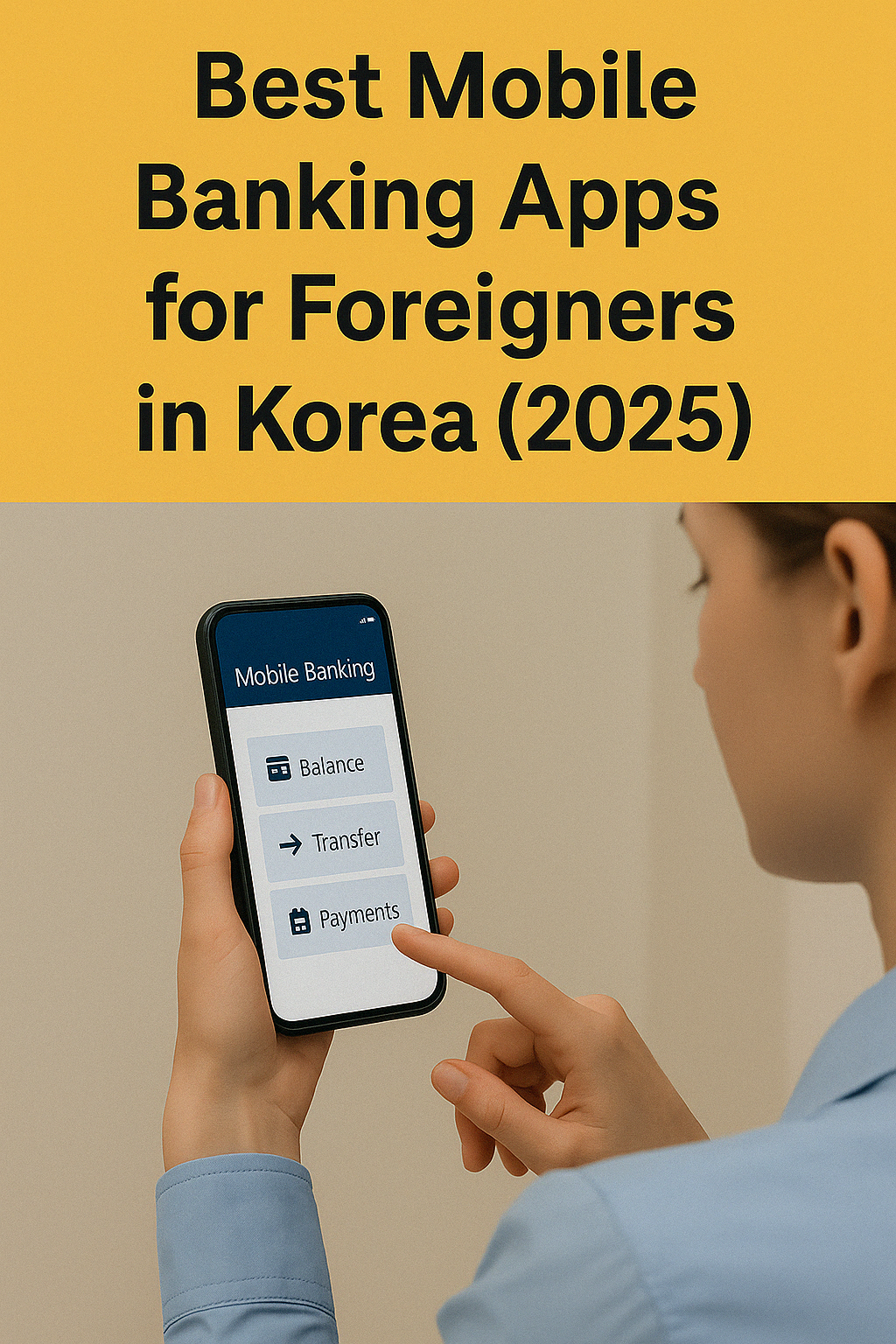
Best Mobile Banking Apps for Foreigners in Korea (2025)

1. Why Mobile Banking is Crucial for Foreigners in Korea

Many foreigners in Korea find in-person banking difficult due to:

  • Language barriers
  • Limited foreigner services
  • Inconvenient business hours

Mobile banking apps offer 24/7 access to your account,
but not all are designed with foreigners in mind.


2. Key Features to Look For

Before downloading a banking app, check for:

  • English or multilingual support
  • Sign-up with ARC or passport
  • Real-time transfers & balance checks
  • Low or no fees for domestic transfers
  • International remittance support

3. Top 3 Mobile Banking Apps for Foreigners (2025)

1) Shinhan SOL (신한 쏠)

  • English interface
  • Sign-up with ARC + Korean number
  • Reliable, supports international transfers
  • Live English chat support on weekdays

2) KB Star Banking (국민은행)

  • Basic English interface
  • Good for existing KB customers
  • Limited functions in English
  • Best for users who opened their account in person

3) Toss Bank (토스뱅크)

  • Fully digital, intuitive UI
  • Minimal English support (but growing)
  • Great for budgeting, free ATM withdrawals
  • Recommended for tech-savvy users with basic Korean

4. Common Problems Foreigners Face

  • Apps and messages in Korean only
  • Phone number not matching ARC name
  • Authentication failures
  • App crashes or verification issues

5. Goldnuri’s Tips

  • Register phone number under your own ARC
  • Turn on biometric login (face/fingerprint)
  • Use Papago to translate error messages
  • Visit a branch to get help with app setup if needed

Summary

In 2025, Shinhan SOL remains the most balanced app for foreigners,
while Toss Bank is ideal for digital-native users.
Start with a bank that supports foreigner registration—then build your mobile banking experience with confidence.

Smart Money & Cost-saving Series – Part 4

Explore korean culture and tourist attractions with and wellness tips

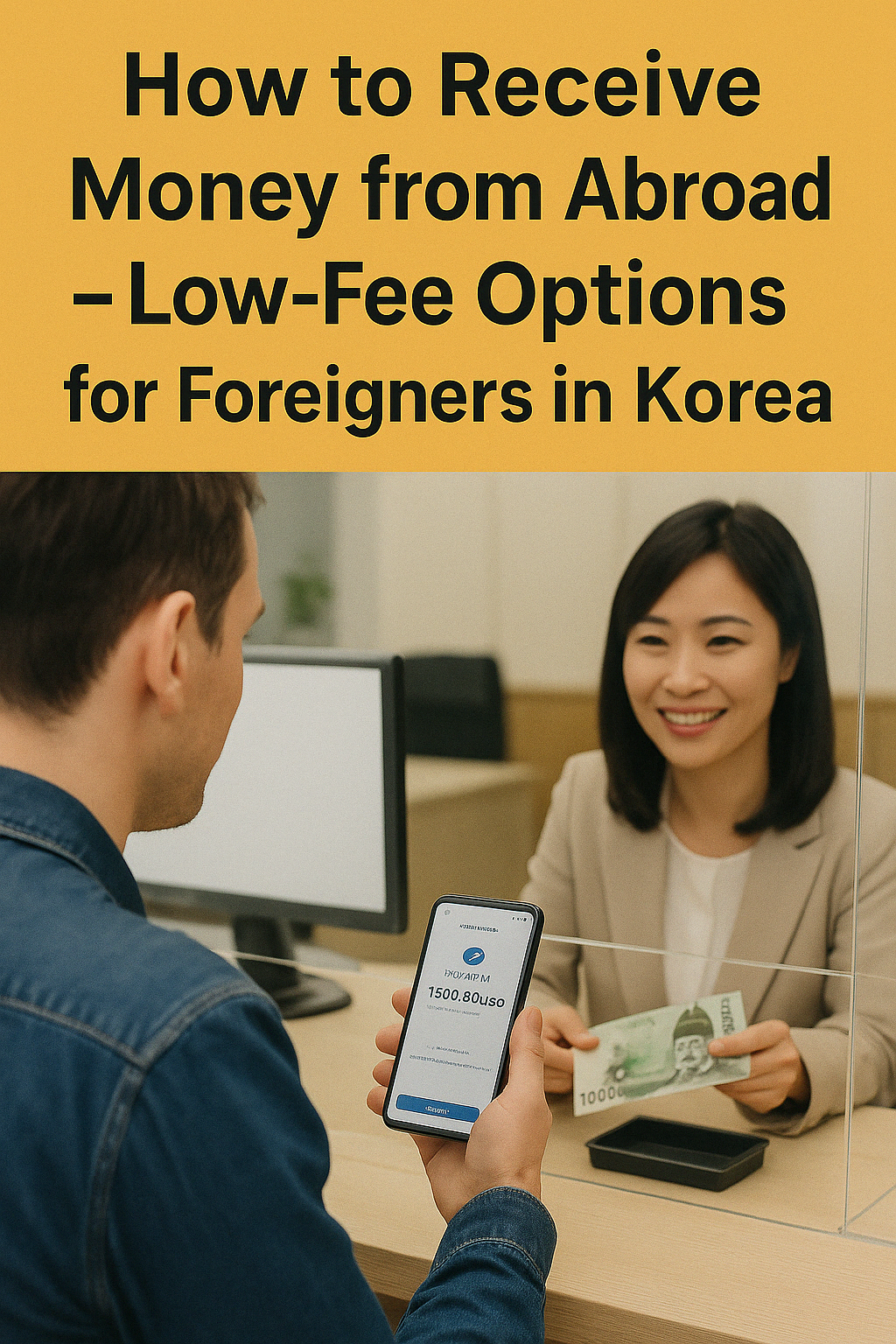
How to Receive Money from Abroad – Low-Fee Options for Foreigners in Korea

1. Why Receiving Money Internationally Isn’t Always Easy

Foreigners living in Korea often need to receive money from abroad—for tuition, salary, or support from family.
But international transfers are often:

  • Expensive (unexpected bank charges)
  • Slow (3–5 business days)
  • Confusing (SWIFT codes, intermediary banks, etc.)

Knowing your options helps save money, time, and unnecessary frustration.


2. What You Need to Receive Money in Korea

Prepare the following:

  • Your Korean bank’s SWIFT/BIC code
  • Your account number and name as registered
  • Bank name and branch info in English
  • Alien Registration Card (ARC), if verification is required
  • Purpose of remittance (some banks ask)

3. Best Methods to Receive Money from Abroad (2025)

Option 1: Direct Bank-to-Bank Transfer (SWIFT)

  • Available at major banks (KB, Shinhan, Woori, Hana)
  • Takes 2–5 days
  • Fees: ₩10,000–₩30,000
  • Secure but costly and slower due to intermediary banks

Option 2: Wise (TransferWise)

  • Low fees, real exchange rate
  • Arrives in 1–2 days
  • Both sender and receiver need Wise account
  • Ideal for regular transfers or salary payments

Option 3: Western Union / MoneyGram

  • Pick up funds at post offices or partner banks
  • Near-instant delivery
  • High fees and poor exchange rates
  • Use only for emergencies or one-time needs

4. Common Mistakes That Delay Transfers

  • Wrong SWIFT code or bank account number
  • Nicknames instead of official name
  • Missing intermediary bank info (especially for USD)

Double-check all details before sending or requesting a transfer.


5. Goldnuri’s Advice

  • Use Wise for fast, affordable international transfers
  • Use SWIFT for official payments like tuition or company remittances
  • Avoid Western Union for large amounts—too expensive

Summary

Receiving money in Korea doesn’t have to be expensive or complicated.
In 2025, options like Wise and direct transfers give you more control and lower fees.
Stay informed and make smart choices to keep more of your money.

Smart Money & Cost-saving Series – Part 2

Explore korean culture and tourist attractions with and wellness tips

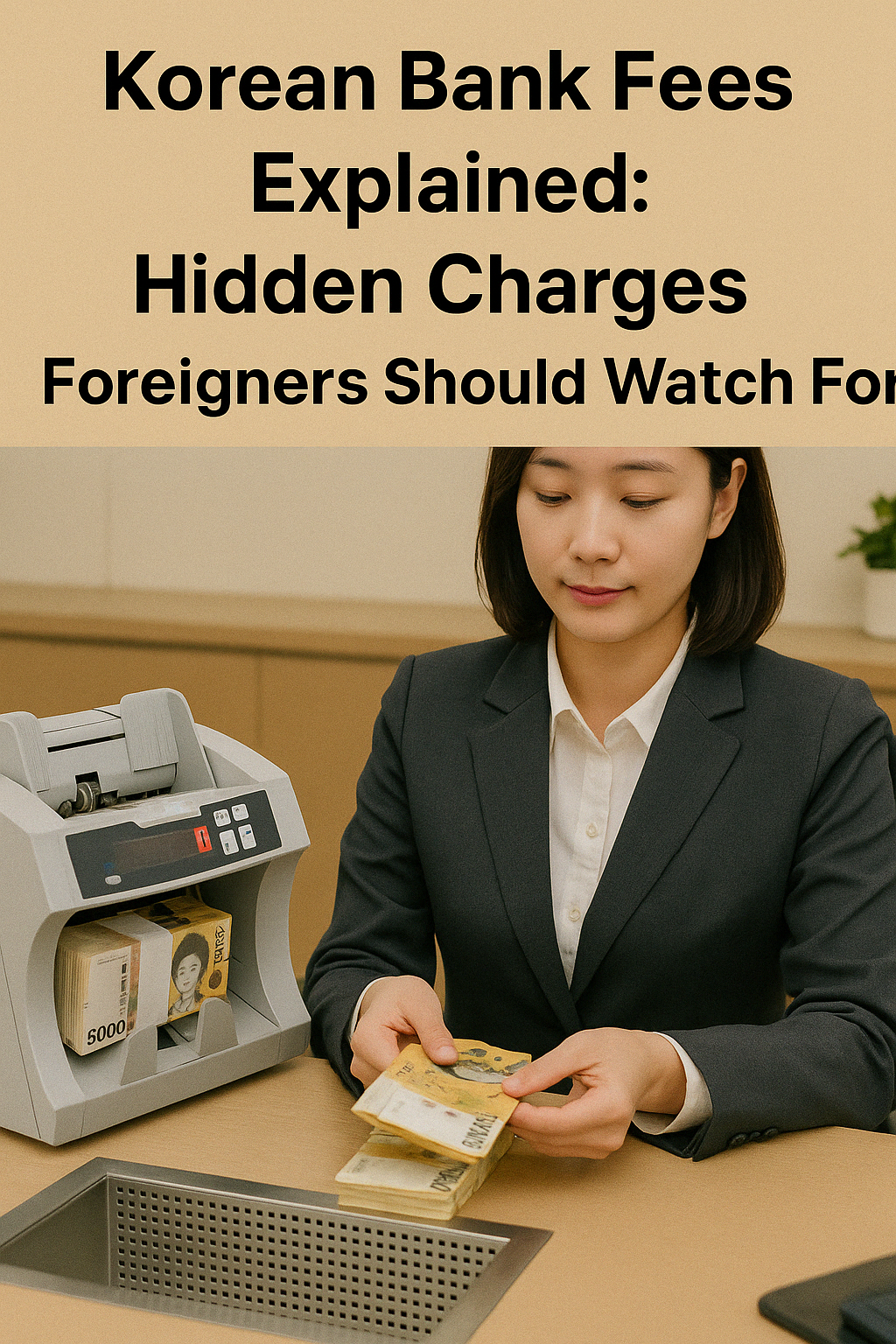
Korean Bank Fees Explained: Hidden Charges Foreigners Should Watch For

Introduction

Banking in Korea can seem smooth at first—easy apps, widespread ATMs, and helpful staff. But what many foreigners don’t realize is that behind this convenience lies a maze of hidden fees. This guide breaks down the most common (and overlooked) bank fees foreigners face in Korea and how to avoid them.


1. Most Common Bank Fees in Korea

ATM Usage Fees
₩500–₩1,500 for after-hours withdrawals or using another bank’s ATM.

Account Maintenance Fees
Charged if balance falls below ₩100,000. Often deducted silently.

Interbank Transfer Fees
₩500–₩1,000 per transfer between Korean banks.

Dormant Account Penalties
Inactivity over 1 year = dormancy. Reactivation may involve extra fees.

Reissuance Fees
Lost card/passbook: ₩2,000–₩5,000. Even PIN change may cost money.


2. Hidden Costs Specific to Foreigners

Foreign Currency Handling Fees
Up to 1.5% for currency conversion (USD, EUR). Also applied to international wire transfers.

International Transfer Fees
Includes:

  • Outgoing fee (₩10,000–₩30,000)
  • SWIFT message fee
  • Exchange rate margin

Account Closure Fees
Rare, but possible if closed within 6 months.


3. Real-life Scenarios That Cost You Money

“I withdrew ₩50,000 at night and lost ₩1,200 in fees.”
“My balance dropped under ₩100,000 — got charged monthly.”
“I left Korea and forgot about my account. It went dormant.”


4. How to Avoid Unnecessary Charges

  • Use your bank’s ATMs during business hours
  • Maintain a healthy minimum balance
  • Use mobile apps for alerts
  • Bundle transfers into larger amounts
  • Close unused accounts
  • Compare banks: K-Bank and KakaoBank often have better policies

Conclusion

Korea’s banking system is advanced, but not always transparent.
A little awareness = a lot of savings. Stay informed and keep your money safe.


Next in Series:
👉 [Part 3: How to Exchange Money in Korea – Safely and Cheaply] (Coming Soon)

[Smart Money & Cost-saving Series – Part 1]

Explore korean culture and tourist attractions with and wellness tips

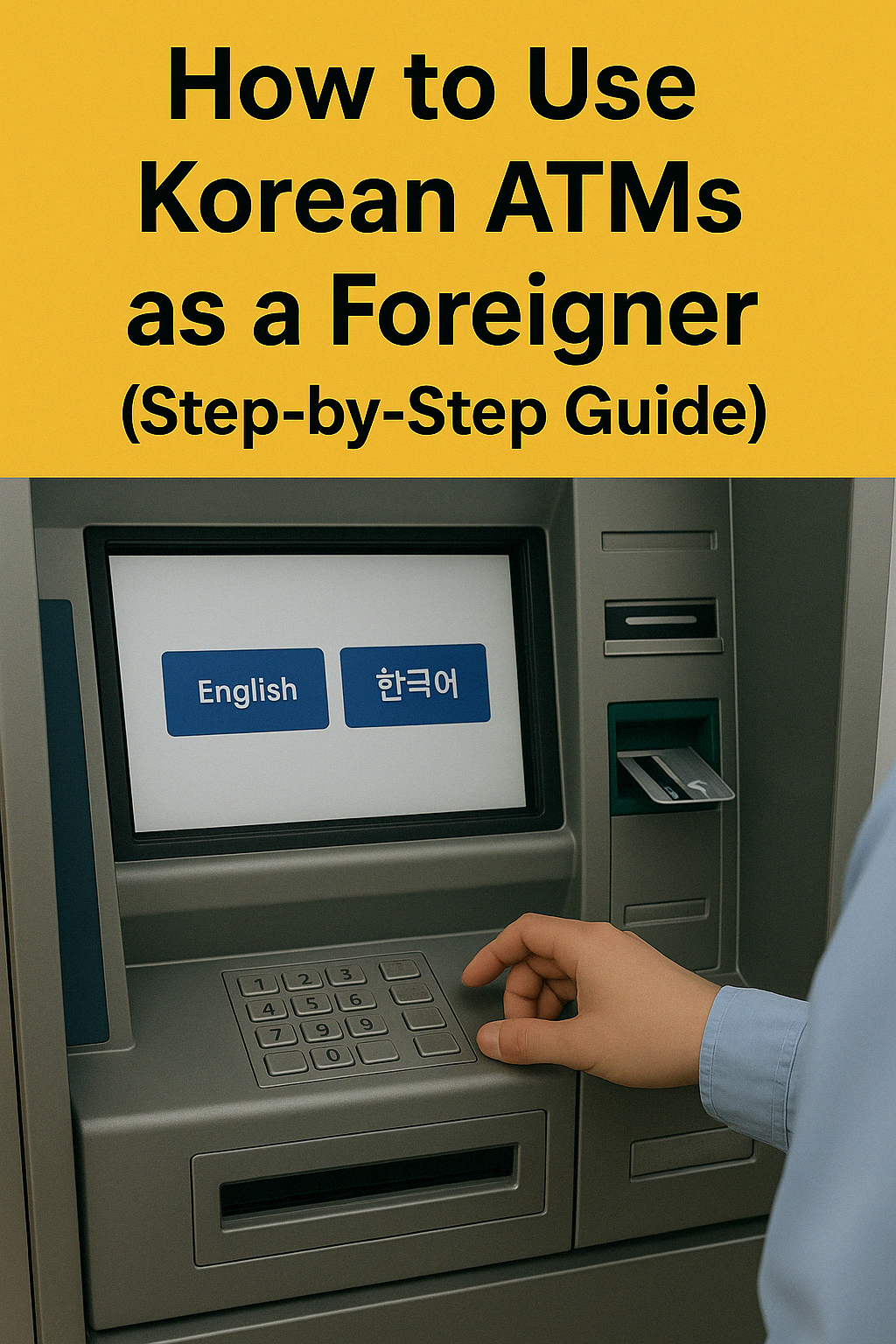
How to Use Korean ATMs as a Foreigner (Step-by-Step Guide)

Introduction
Using an ATM in Korea might seem simple—until you’re standing in front of a machine filled with Korean-only text, trying to withdraw cash with your foreign bank card. Whether you’re a new arrival, a traveler, or a long-term resident, knowing how to use Korean ATMs can save you time, frustration, and even money. This guide walks you through everything you need to know to use ATMs in Korea like a pro.


1. Types of ATMs in Korea

Bank ATMs (Most Reliable)
Located inside or next to major banks such as KB Kookmin, Shinhan, Hana, or Woori. These machines usually support multiple languages and accept both domestic and some foreign cards.

Convenience Store ATMs (24/7 Access)
Found in GS25, CU, and 7-Eleven.

  • Available anytime
  • Higher fees
  • Limited English menus
  • Compatibility issues

Airport & Tourist Area ATMs
In Incheon Airport, Myeongdong, or Hongdae — more English options and better compatibility for foreigners.


2. Which ATMs Accept Foreign Cards?

Look for these logos:
Visa / Mastercard / Cirrus / Maestro / UnionPay / Plus

Best options: Citibank Korea and KB Kookmin Bank
Avoid: Smaller regional bank ATMs


3. Step-by-Step: How to Withdraw Cash

Step 1: Insert your card (chip side first)
Step 2: Choose language (English if available)
Step 3: Select “Withdrawal”
Step 4: Enter 4-digit PIN
Step 5: Enter amount (₩10,000 or ₩50,000 denominations)
Step 6: Confirm, collect cash and card


4. Common Issues Foreigners Face

  • Transaction denied → Unsupported card, blocked by your bank, or insufficient funds
  • Card swallowed → Visit the bank counter or call the number on the ATM
  • Daily withdrawal limits → Often ₩300,000 ~ ₩1,000,000 per transaction

5. Tips to Make ATM Use Easier

  • Use ATMs during banking hours (9am–6pm)
  • Prefer Citibank or KB branches
  • Withdraw larger amounts less often
  • Avoid late Sundays (some machines run out of cash)

Conclusion

ATMs in Korea may seem confusing at first, but with this guide, you’ll avoid mistakes, save time, and minimize fees. Whether you’re staying long-term or just visiting, it’s your money — use it wisely.


📌 Next in Series:
[Part 2: How to Exchange Money in Korea – Safely and Cheaply] (Coming Soon)

How to Save Big on Dollar Transfers for Students Abroad – A Parent’s Guide to Smarter Remittance

Traveling abroad for health and wellness exploring cultural and medical services

If you’re sending money overseas for your child’s education, you’re not alone.
Thousands of Korean parents transfer dollars every month for tuition, housing, and living expenses.
But here’s what many don’t realize:
Most traditional bank transfers are costing you more than you think.

This guide breaks down how to cut your remittance costs by 50% or more
without compromising speed or reliability.


1. Traditional Banks: More Than Just Transfer Fees

Most people think sending money through banks is simple.
But here’s what’s hidden:

  • Bank transfer fee (₩10,000–₩30,000)
  • Middle bank fee (up to $30, often unlisted)
  • Marked-up exchange rate (not the market rate)

Bottom line: You’re paying more than ₩50,000 ($40+) to send $1,000, and it can take 2–5 days to arrive.


2. Fintech Transfer Apps – Transparent, Fast, and Cheaper

Modern remittance platforms are changing the game.
They offer real-time rates, low fixed fees, and faster delivery.

Wise (formerly TransferWise)

  • Market exchange rate
  • Fees often under ₩12,000
  • Money arrives in 1–2 days

Toss Global Transfer

  • Easy to use for Koreans
  • Convenient domestic account link
  • Expanding list of countries

Shinhan SOL Easy Remit

  • Bank-backed reliability
  • Competitive fees
  • App-based interface

Pro tip: Always compare at least 2 platforms before each transfer.


3. Real Savings – Let’s Do the Math

Let’s say you send $1,000 every month for your child’s expenses.

MethodMonthly CostAnnual Cost
Bank Transfer₩50,000+₩600,000+
Wise App~₩12,000~₩144,000

Savings: Over ₩450,000 ($340+) saved annually
That’s a flight ticket, a semester book fee, or more housing support.


Final Thoughts

Sending money to your child abroad shouldn’t mean losing money on the way.

Today’s tools allow you to take control of exchange rates and fees
with just a few taps on your phone.

Make every dollar count.
Your support deserves to go to your child—not the bank.


Coming Next:

Part 3 – How to Maximize Your Currency Exchange Before Traveling Abroad
100% fee waiver tips and timing tricks coming up!

Is the Dollar Going Crazy? 3 Reasons Why Timing Your Currency Exchange Matters Now

foreign currency exchange in korea focusing on US dollars for travelers

The dollar is soaring, and if you’ve been watching the exchange rate lately, you’re not alone.
Whether you’re a student planning to study abroad, a parent sending money overseas, or a traveler gearing up for a trip — the USD/KRW exchange rate matters more than ever.

Right now, 1 USD is worth around 1,400 KRW. That’s a level we haven’t seen since the 2008 financial crisis.
So what should you do?
Should you exchange your money now or wait?
This post breaks down 3 practical reasons why timing your currency exchange is more important than ever in 2025.


1. Exchange Without a Rate Discount = Hidden Loss

Most banks charge a hidden fee in the exchange rate itself.
If you’re not using a currency rate discount, you could be losing 3–5% per exchange.

What to do:

  • Use your bank’s mobile app to apply for exchange rate benefits.
  • Most banks offer up to 90–100% discount on fees if you reserve the currency online.
  • Avoid exchanging at airports or over-the-counter without reservation — you’ll overpay significantly.

2. International Money Transfers Come with More Than One Fee

If you’re sending money abroad — especially for tuition or living expenses —
you’re not just dealing with bank fees. You’re also paying:

  • A middle bank fee (often hidden),
  • A less favorable exchange rate,
  • And possibly a receiving bank fee.

What to do:
Use services like Wise, Toss Global, or Shinhan SOL Easy Remit,
which offer transparent fees and real-time exchange rates, often saving you 50% or more compared to traditional banks.


3. Timing Is Everything — But Only If You Have a Strategy

Exchange rates are unpredictable, but that doesn’t mean you’re helpless.
You don’t need to guess the bottom — you need a system.

💡 What to do:

  • Break your exchange into multiple smaller transactions.
  • Use exchange rate alerts on your bank’s mobile app.
  • Consider scheduled currency exchanges when rates hit your target.

This reduces stress, and more importantly, it reduces risk.


Final Thoughts

The dollar may be “going crazy,”
but the real risk is not having a plan.

Whether you’re exchanging, sending, or saving in dollars,
knowing how to manage your timing could save you hundreds, even thousands, in 2025.

Don’t leave it to chance.
Make every dollar work smarter for you.


Coming Next:

Part 2 – Best Strategies for Sending Money to Students Abroad
(How to Cut Your Monthly Transfer Fees in Half)


Posting Instructions (Reminder)

  • Add featured image (need help? 바로 말해줘!)
  • Add to category: Smart Dollar Tips (or create new one)
  • Use tags:
    currency exchange, USD to KRW, international transfer, Wise, money-saving tips, dollar strategy, expat finance, Korea travel money, exchange rate tips